


7 Key Nutrients Everyone Needs to Ensure Daily Intake
In a world where food is abundant, surprisingly, many people still struggle to consume adequate amounts of essential nutrients. According to recent studies, billions of individuals worldwide are deficient in at least seven critical nutrients, which can lead to serious health issues. Understanding these nutrients and how to incorporate them into your diet can significantly enhance your well-being. Here’s a look at these essential nutrients and practical tips for ensuring you get enough of them.

Iron
Iron is crucial for producing hemoglobin, which carries oxygen in the blood. Deficiencies can lead to anemia, fatigue, and weakened immune function.
Sources:
1. Animal Sources: Red meat, poultry, and fish contain heme iron, which is easily absorbed.
2. Plant Sources: Lentils, beans, tofu, spinach, and fortified cereals provide non-heme iron. Pair these with vitamin C-rich foods (like citrus fruits) to enhance absorption.
Vitamin D
Vitamin D is essential for bone health, immune function, and mood regulation. A deficiency can result in weakened bones and increased risk of chronic diseases.
Sources:
1. Sunlight: Spending 10-30 minutes in the sun several times a week can help your body produce enough vitamin D.
2. Dietary Sources: Fatty fish (like salmon and mackerel), fortified dairy products, and egg yolks are excellent sources. If you live in a region with limited sunlight, consider a vitamin D supplement.
Calcium
Calcium is vital for strong bones and teeth, muscle function, and nerve signaling. Insufficient calcium intake can lead to osteoporosis and other health issues.
Sources:
1. Dairy Products: Milk, yogurt, and cheese are rich in calcium.
2. Plant Sources: Leafy greens (such as kale and bok choy), almonds, and fortified plant-based milks are good alternatives for those who are lactose intolerant.
Potassium
Potassium helps regulate fluid balance, muscle contractions, and nerve signals. Low potassium levels can lead to high blood pressure and increased risk of stroke.
Sources:
1. Fruits and Vegetables: Bananas, oranges, potatoes, spinach, and avocados are excellent sources of potassium.
2. Legumes: Beans and lentils also contribute to your potassium intake.
Magnesium
Magnesium is involved in over 300 biochemical reactions in the body, including energy production, protein synthesis, and muscle function. A deficiency can lead to muscle cramps, fatigue, and anxiety.
Sources:
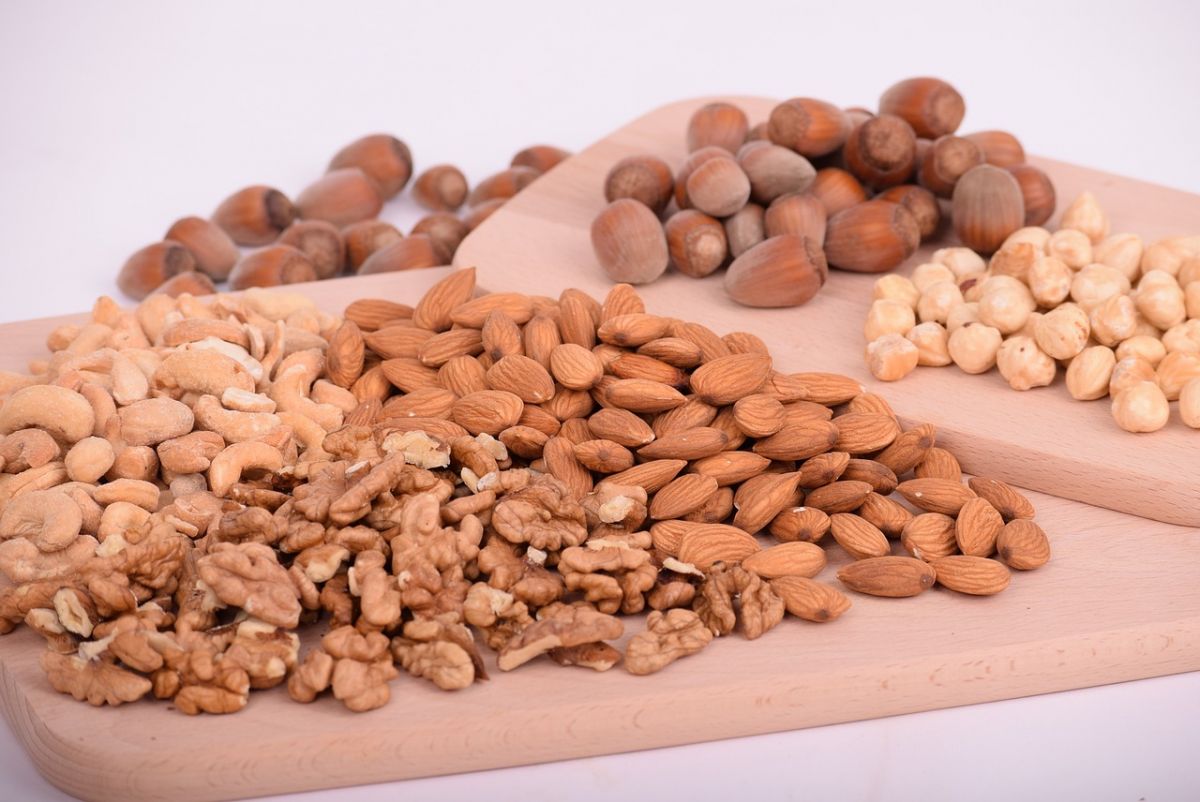
1. Nuts and Seeds: Almonds, cashews, and pumpkin seeds are rich in magnesium.
2. Whole Grains: Brown rice, quinoa, and whole wheat products provide significant amounts of this mineral.
Vitamin B12
Vitamin B12 is crucial for nerve function, red blood cell formation, and DNA synthesis. Deficiency can lead to anemia and neurological issues.

Sources:
1. Animal Sources: Meat, fish, poultry, eggs, and dairy products are primary sources of B12.
2. Fortified Foods: For vegetarians and vegans, fortified cereals and plant-based milks can help meet B12 needs. Supplements are also an option.
Omega-3 Fatty Acids
Omega-3 fatty acids are essential for heart health, brain function, and reducing inflammation. A lack of omega-3s can lead to increased risk of chronic diseases.
Sources:
1. Fatty Fish: Salmon, mackerel, and sardines are rich in omega-3s.
2. Plant Sources: Flaxseeds, chia seeds, and walnuts provide alpha-linolenic acid (ALA), a type of omega-3.
Conclusion
Addressing nutrient deficiencies is crucial for maintaining optimal health. By incorporating a variety of foods rich in these seven essential nutrients, you can significantly improve your overall well-being. Focus on a balanced diet that includes fruits, vegetables, whole grains, lean proteins, and healthy fats. For those with dietary restrictions or specific health concerns, consulting a healthcare provider or registered dietitian can provide personalized guidance. By prioritizing these critical nutrients, you can enhance your health and longevity, ensuring a vibrant, active life for years to come.

Effective Ways to Relieve Joint Pain Naturally
Joint pain is an ubiquitous condition that can afflict humans of all ages, but is more common as we age or after an injury. Whether the result of arthritis, overuse or other conditions, recurrent joint pain can interfere greatly with daily life. Here are some helpful tips that can help reduce joint pain and get you moving.1.Low-impact and Regular ExerciseExercise may help keep your body active and agile, increasing the flow of blood thus decreasing the pain. Swimming, walking, yoga and riding are ideal exercises. In the meantime, you need to stay away from vigorous exercises.2.Maintain a Healthy WeightAnother important factor when it comes to managing aches and pains in your joints is keeping your weight healthy. Excess pounds put extra pressure on your knees and ankles, which can make them painful. Hence, the weight reduction can ease the joint pain. Seafood and vegetables can deliver, while processed food, added sugar and refined carbohydrates should be avoided. For some, seasonings like turmeric and ginger — both known as having anti-inflammatory properties — can save your life.3.Heat and Cold TherapyHeat and cold therapy are an efficient and instant way to momentary relief for the pain of rigid joints. Applying a warm compress, soaking in a warm bath, or using a heating pad are all helpful ways to relax stiff joints and increase blood circulation, which can make it easier to move. This works particularly well for chronic stiffness, such as that associated with arthritis morning pain. Cold therapy (ice packs wrapped in a towel) helps numb sharp pain and reduce swelling, particularly after physical activity or injuries. For some types of joint pain, switching between heat and cold can be helpful.4.Proper PostureA proper posture, coupled with reasonable ergonomic adjustments, matters a lot in easing and preventing joint strain. Sitting hunched over a computer, standing for hours at a time or lifting heavy objects can place significant strain on various joints in the back, neck, knees and wrists. Sitting in supportive chairs, positioning screens at eye level and wearing cushioned shoes can help disperse weight more evenly. And for anyone with pain in their hands or wrists, ergonomic keyboards or braces may alleviate torment during repetitive movements.5.Natural SupplementsCertain natural supplements, such give glucosamine, chondroitin, and omega-3 fatty acids, have so much promise in speedy joint fitness for a few humans. While research findings vary, many people experience less pain and greater mobility following regular use. Be sure to talk to a health care provider before starting any new supplements, especially if you are taking other medications.6.HydrationHydration, a neglected factor yet critical for joint function. Cartilage, which protects joints, is made up of a high percentage of water. This increases friction, and can cause discomfort if dehydrated. Staying hydrated throughout the day, which helps maintaining lubrication and may relieve stiffness.7.MassageMassage therapy is useful, too. No matter you massage yourself or you get massaged by others, both work well. It can relive the intense muscle, improve the circulation of blood. You can use a ball to apply gentle pressure to tight spots.Although these techniques can assist with mild to moderate joint discomfort, a healthcare provider should evaluate persistent or severe pain. Some conditions may require physical therapy, acupuncture or medical treatments. But many people can prevent real pain and joint function improvement when these natural strategies are applied to their daily routine, resulting in better quality of life and health. Joint pain doesn't have to rule your life, as long as you stay active, eat right, and make simple lifestyle changes. Little adjustments over time can lead to big shifts in how well you stay flexible and comfortable for as long as possible.

7 Key Nutrients Everyone Needs to Ensure Daily Intake
In a world where food is abundant, surprisingly, many people still struggle to consume adequate amounts of essential nutrients. According to recent studies, billions of individuals worldwide are deficient in at least seven critical nutrients, which can lead to serious health issues. Understanding these nutrients and how to incorporate them into your diet can significantly enhance your well-being. Here’s a look at these essential nutrients and practical tips for ensuring you get enough of them.IronIron is crucial for producing hemoglobin, which carries oxygen in the blood. Deficiencies can lead to anemia, fatigue, and weakened immune function.Sources:1.Animal Sources: Red meat, poultry, and fish contain heme iron, which is easily absorbed.2.Plant Sources: Lentils, beans, tofu, spinach, and fortified cereals provide non-heme iron. Pair these with vitamin C-rich foods (like citrus fruits) to enhance absorption.Vitamin DVitamin D is essential for bone health, immune function, and mood regulation. A deficiency can result in weakened bones and increased risk of chronic diseases.Sources:1.Sunlight: Spending 10-30 minutes in the sun several times a week can help your body produce enough vitamin D.2.Dietary Sources: Fatty fish (like salmon and mackerel), fortified dairy products, and egg yolks are excellent sources. If you live in a region with limited sunlight, consider a vitamin D supplement.CalciumCalcium is vital for strong bones and teeth, muscle function, and nerve signaling. Insufficient calcium intake can lead to osteoporosis and other health issues.Sources:1.Dairy Products: Milk, yogurt, and cheese are rich in calcium.2.Plant Sources: Leafy greens (such as kale and bok choy), almonds, and fortified plant-based milks are good alternatives for those who are lactose intolerant.PotassiumPotassium helps regulate fluid balance, muscle contractions, and nerve signals. Low potassium levels can lead to high blood pressure and increased risk of stroke.Sources:1.Fruits and Vegetables: Bananas, oranges, potatoes, spinach, and avocados are excellent sources of potassium.2.Legumes: Beans and lentils also contribute to your potassium intake.MagnesiumMagnesium is involved in over 300 biochemical reactions in the body, including energy production, protein synthesis, and muscle function. A deficiency can lead to muscle cramps, fatigue, and anxiety.Sources:1.Nuts and Seeds: Almonds, cashews, and pumpkin seeds are rich in magnesium.2.Whole Grains: Brown rice, quinoa, and whole wheat products provide significant amounts of this mineral.

An Overall Summary of Machine Learning's Roles
Whether it's tailored content on streaming sites or self-driving cars that can melt into, say, Tehran traffic, machine learning's implications are vast and, in some cases, still not fully understood. To understand the impact fully, one must look more closely at the role machine learning is playing in our world, at its benefits, challenges, and what it may hold in future.Machine learning is, essentially, a sub-type of artificial intelligence that teaches computer systems to learn from data, recognize patterns and make decisions, all with little human intervention. However, unlike typical programs that you hand to the PC to follow, ML models learn by being given lots and lots of data. This adaptability and versatility is what makes machine learning so useful in applications where there's a large amount of data, but manual analysis would be neither feasible nor comprehensively reproducible.Consumer tech is one of the most obvious use-cases for machine learning. Companies such as Netflix, Amazon, and Spotify use ML algorithms to understand user behaviour and to provide recommended content. These solutions not only improve the user experience, but they also increase engagement and money. Likewise, virtual assistants like Siri, Alexa, and Google Assistant use a form of machine learning called natural language processing (NLP) to understand and answer human questions. The ease of use of such technologies is a testament to ML's impact on making tasks easier and more accessible.Outside of the consumer space, machine learning is transforming the world of healthcare, finance and manufacturing. ML algorithms are also employed in healthcare to diagnose diseases, forecast patient sickness, and even help discover new drugs. For example, image recognition models are able to closely and effectively analyze medical scans, helping radiologists diagnose conditions such as cancer more rapidly. In finance, machine learning ensures the industry can keep its fraud detection systems, algorithmic trading and credit scoring running optimally while diminish risks and streamline business operations. On the manufacturing front, predictive maintenance with ML prevents downtime by predicting ahead of time when equipment failure might strike.Despite its benefits, machine learning is not free of challenges. One of the main concerns is ethical consideration of discrimination in algorithms. Because ML models are trained on historical data, they can pick up biases and unfairly biased outcomes can then occur in hiring, lending, law enforcement and other areas. This problem can only be tackled by ensuring fairness in the training data, and by creating fair-aware algorithms. Moreover, the “black box” problem for some ML models, especially deep learning algorithms, has the potential to compromise transparency. When decisions are rendered by complex algorithms that the designers themselves cannot fully understand, the issue of accountability looms large.Another issue is the carbon and computational cost of training huge ML models. State-of-the-art algorithms like those that power generative AI take an unfathomable amount of data and machine power to run, meaning a huge amount of energy consumption. As interest continues to grow in more complex models, sustainable options will be essential to reduce the environmental impact of machine learning.In the future, breakthroughs in domains such as reinforcement learning and quantum computing could produce entirely new capabilities that allow machines to solve problems they currently can't. Additionally, when ML becomes combined with other disruptive technologies, including the Internet of Things (IoT), blockchain will result in new and disruptive solutions across domains. As an example, smart cities might leverage ML for optimizing traffic flow, reducing energy consumption, and enhancing public safety.In summary, machine learning is the bedrock of contemporary technological advancement with its impact being felt in all fields of life. Its potential is undeniable, but there are ethical, transparency and sustainability issues to be worked out in order to develop it in a responsible way. As we grapple with the power and prospects of ML, it is becoming increasingly apparent that the future of ML is the future of society and that society's relationship to ML will only become more inextricable. The story of machine learning is by no means finished, and the next chapters are likely to be as fantastic as any of the others.

Amazing All-Inclusive Mediterranean Cruises in 2026
The profound concept of floating city attains in 2026 its fullest expression of all time. There is no doubt that the Mediterranean, with its blessed climate and timeless culture, has always been the apogee of ocean liners. But this year marks a new sort of development in how it is seen. Nursing an environmental headache, a neurotic civilization sharpens its focus on an ideal of wellness, in which the modern cruise becomes morally as therapeutic for soul and body, as it breaks so many records. Travelers today are provided with not merely schedules, but rationally thought out trips: Farm-to-sea organic food programs which celebrate indigenous produce, extended port stays that are in harmony with local customs and not raced through like duty calls for so many souvenirs to be bought; ships designed to feel more like an island resort than any superstructure at sea with its own set of laws defining good society as practicality. With the pound holding strong against other currencies, some much-needed breathing space has finally emerged for British holidaymakers. In Britain regionally based offerings by Mediterranean cruise lines are highly attractive and it will be available to more customers than ever before through these fly-cruise tours that take people straight from downtown hubs such as Manchester and Glasgow, directly into the action. Sustainability, luxury, ease of travel should all be rolled into one ball and tossed back to the public in 2026 to rediscover the Mediterranean, not as a tourist, but taking on some understanding of its people and their various ways.Why Choose Mediterranean CruisesThe cruise industry has moved forward considerably in 2026. The advocacy of sustainability and health is seeing new launches this year that 263 accord entirely with my own values. Passengers now have organic food and first-class facilities to look forward to; and itineraries that get passengers off the boat for a longer time on shore help to dispel the rushed rhythm that has pertained generally in old-fashioned cruising.In today's travel market, the British pound remains strong, encouraging Mediterranean cruise companies to compete fiercely. Many now offer packaged deals including flights out of various UK airports – which is a game-changer for the rest of us. What is a fly-cruise package? The vacation begins the moment you arrive at Manchester, Birmingham or Glasgow airport.Typical RoutesThe Mediterranean has a rich itinerary, usually divided into Western and Eastern routes.1.Eastern Mediterranean: The focus of the Eastern Mediterranean itineraries is the Adriatic Sea and the Aegean Sea. From Venice (Marghera) or Athens, you can visit Dubrovnik with its ancient city walls; Santorini and the famous blue dome churches; the extraordinary ruins of Ephesus in Turkey. This route is a must for history-lovers and everyone keen on breathtaking coastal scenery.2.Western Mediterranean: Still the classic choice, the Western Mediterranean. From Southampton, Barcelona, or Civitavecchia (near Rome), visitors set out on this path, kissing the glamorous French Riviera, ashoring in historic treasure trove Florence and sojourning at lively beach camp Ibiza. It is suited for new voyagers after a mix of culture and sun.All-Inclusive Package Levels1.Value-Driven All-Inclusive: It's important to understand that "all-inclusive" means different things to different cruise lines as far as the UK market is concerned. There are three quite distinct tiers. In terms of value-driven all-inclusive, lines such as Marella Cruises (part of TUI) stand in a category of their own. Flights, transfers and meals–even soft drinks (not all alcoholic ones) and smart nibbles as well are provided up front. There are no quibbles at the end of the week.2.Premium All-Inclusive: With cruise lines like Celebrity Cruises or MSC Cruises, you can find everything on board: premium all-inclusive. Their enhanced packages often include things that are not part of the standard itinerary such as premium Wi-Fi and shore excursion credits. They also provide a value exchange: higher-end spirits to make your life more exciting without carrying the five-star tag for price.3.Ultra-Luxury All-Inclusive: The ultimate in luxury spent leave the all-inclusive principle far behind. Take Silversea or Regent Seven Seas among mother companies; enjoy a thousand-dollar bottle of vintage champagne in your villa; ask for private tours just about anywhere round the world and have it arranged; The initial outlay is high, but personalized service is unmatched and on your special occasion cruises nothing less will do.Price ComparisonConclusionIn 2026, you can find all-inclusive Mediterranean cruises that are much more than vacations. They bring not only rest but real value for money, and a chance to restore your soul yet again— one horizon at a time. And this is simply the perfect time for booking your cruise. I firmly believe it.

Find Your Freedom in These European Islands
In the modern life which is pushing in a faster pace than ever, finding a place that canget away from almost everyone and enjoy ourselves is a luxurious desire. However, the Europe offers us the opportunity. There are myriads of beautiful and wonderful islands in Europe, which can be an ideal travel resort and reach your goal of staying away from the noise of metropolises. Here are several peaceful islands in Europe worth visiting.Skye, ScotlandThe Skye Island which situates in Scotland is notable for its splendid natural views. Mysterious castles, rugged mountains and the glamorous coast lines seduce a myriad of travelers who are keen on hiking, adventure and photographing all over the world. Although this treasure island is known by more and more visitors, Skye island is still keeping its unique and precious quietness, especially in the summer night. A number of romantic and fantastic pictures and photos are made here, if you love sunrise or sunset, the beaches in Skye island will not let you down.Brač, CroatiaCroatia is well known by a group of people mainly because of Croatian Rhapsody, another terrific treasure should not be ignored as well, the Brač island. The island is a perfect wonderland help you get rid of the atmosphere of cities, the beaches gain their fame for the special shapes and fascinate multitudinous people who love aquatic sports. Although there are towns in the island, numerous peaceful and quite corners can still be found for you to enjoy sunlight, sea wave and warm hearts. Further more, the island is also a historic resort, which is also a heaven suitable for those visitors who love both cultural and natural environments.Åland Islands, FinlandAs the minority of countries that can see polar lights easily and considered to be one of the nations whose citizens have the happiest live standard, Finland become a dreamland for a multitude of people. One more marvelous thing is that an island in Finland can be so incredible. Åland Islands are little islands between Finland and Sweden, the original residents there live mainly for farming and fishing with a slow paced live. If you travel to Åland Islands, you get the chance to ride bicycles, walk alone and enjoy the peaceful beaches, which make you feel what is called the genuine, true and authentic liberal lifestyle. With affluent historic relics such as ancient castles and churches, Åland Islands are the places that always make people be reluctant to say good bye.Corfu, GreeceLocated in Greece, Corfu island is a beautiful wonderland prestigious for its clear sea and fascinating mountains. Although the island serves for a number of travelers ever summer, there are still remote beaches and villages remain to discover with primitive charm. In Corfu island, you can unlock the joy of exploring lanes, paying a visit to ancient churches and canteens that possess Greek traditions and savoring quiet atmosphere. Anyway, the incredible scenery and the friendliness of local people are the reasons that you must come here.ConclusionThese are the islands in Europe that offer us a choice to escape from the busy lives. No matter you want to feel the quietness of the nature or learn the local culture, they are all nice options for your next itinerary.