


Embracing Flexibility: The Health Benefits and Pathways to Increased Flexibility
by David ClarkWant a happier, more active life? This article shares flexibility’s perks and practical ways to enhance it, supporting better movement and overall well-being.
Flexibility is a fundamental component of physical fitness that often takes a back seat to cardiovascular endurance and strength training. However, the importance of flexibility should not be underestimated. Flexibility refers to the range of motion in a joint or group of joints and the ability of muscles and tendons to stretch effectively. Embracing flexibility not only enhances physical performance but also offers a myriad of health benefits that contribute to overall well-being. In this article, we delve into the significance of flexibility, its health advantages, and practical ways to improve and maintain flexibility in daily life.
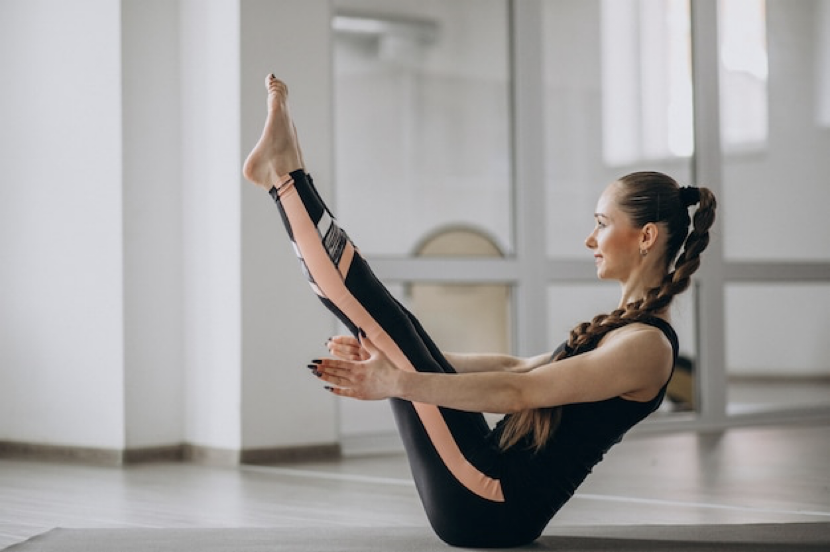
The Health Benefits of Flexibility
1. Injury Prevention
One of the primary benefits of flexibility is its role in injury prevention. When muscles and tendons are flexible, they are better equipped to handle stress and strain during physical activities. Improved flexibility reduces the risk of muscle strains, ligament sprains, and other common injuries, especially during activities that require sudden or extreme movements.
2. Improved Posture
Flexibility plays a crucial role in maintaining proper posture. Tight muscles can pull the body out of alignment, leading to poor posture and a host of associated issues such as back pain, neck pain, and headaches. By enhancing flexibility in key muscle groups, individuals can improve their posture and reduce the likelihood of developing chronic postural problems.
3. Enhanced Range of Motion
Increased flexibility translates to an expanded range of motion in joints, allowing for more fluid and efficient movement. This is particularly beneficial for athletes, dancers, and individuals engaged in physical activities that require a wide range of motion. A greater range of motion not only improves performance but also enhances overall mobility and agility.
4. Stress Relief
Flexibility exercises, such as yoga and stretching, promote relaxation and stress relief. Stretching helps release tension in muscles, alleviate tightness, and promote circulation, leading to a sense of physical and mental relaxation. Incorporating flexibility exercises into a daily routine can contribute to stress reduction and improved mental well-being.
5. Joint Health
Maintaining flexibility is essential for joint health and function. Flexible muscles and tendons help support the joints, reducing the risk of joint pain, stiffness, and degenerative conditions such as osteoarthritis. By preserving joint mobility through flexibility exercises, individuals can enhance joint health and longevity.
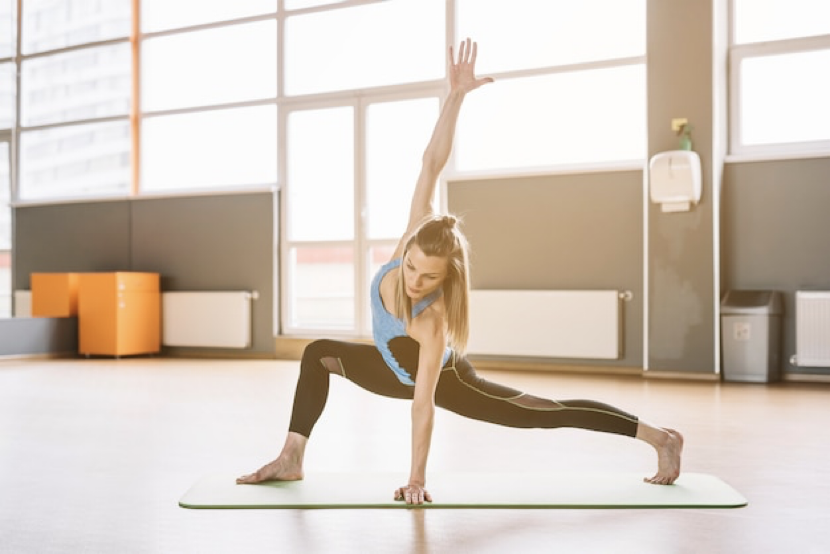
How to Improve Flexibility
1. Stretching Exercises
Incorporate regular stretching exercises into your fitness routine to improve flexibility. Dynamic stretches before exercise help warm up the muscles, while static stretches after exercise help lengthen and relax the muscles. Focus on stretching major muscle groups such as the hamstrings, quadriceps, calves, shoulders, and back.
2. Yoga and Pilates
Participating in yoga or Pilates classes can significantly enhance flexibility, strength, and balance. These mind-body practices combine stretching exercises with strengthening movements to improve overall flexibility and body awareness. Attending regular classes led by experienced instructors can help individuals progress in their flexibility journey.
3. Foam Rolling
Foam rolling is a self-myofascial release technique that helps release muscle tightness and improve flexibility. By using a foam roller to apply pressure to specific muscle groups, individuals can reduce muscle tension, increase blood flow, and enhance flexibility. Incorporate foam rolling into your post-workout routine to aid in muscle recovery and flexibility maintenance.
4. Stay Hydrated
Proper hydration is essential for maintaining muscle elasticity and joint lubrication, both of which are vital for flexibility. Drinking an adequate amount of water throughout the day helps keep muscles hydrated and supple, supporting flexibility and reducing the risk of muscle cramps and stiffness.
5. Consistency is Key
Improving flexibility is a gradual process that requires consistency and dedication. Set aside time each day for stretching and flexibility exercises, and gradually increase the intensity and duration of your stretches as your flexibility improves. Be patient with yourself and celebrate small milestones along the way.
Conclusion
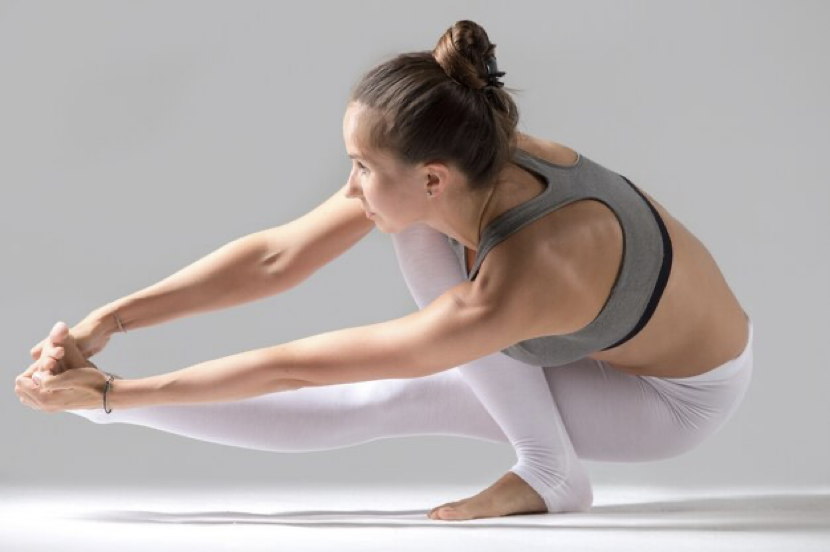
In conclusion, flexibility is a cornerstone of physical health and well-being, offering a host of benefits that extend beyond mere physical performance. By prioritizing flexibility through regular stretching, yoga, Pilates, and other flexibility-enhancing practices, individuals can improve their posture, prevent injuries, enhance range of motion, alleviate stress, and promote joint health. Embrace flexibility as an integral component of your fitness routine and enjoy the numerous advantages it brings to your overall health and quality of life.
ADVERTISEMENT
Hot News
-

Tips to Effectively Enhance the Aesthetics and Practicality of Your Bathroom
-

5 of the Most Long-lasting Latex Paint Colors
Terry -

What Should You Do for Your Car in Winter
John -

Chronic Insomnia: Exploring Solutions for a Restful Sleep
-

How to Choose Sunglasses for Travel
Marry -

An Overall Summary of Machine Learning's Roles
Isabella Hall -

How to Skillfully Arrange Soft Furniture in a Limited Space
Victor -

Wig Basics
Owen -

Why You May Eat to Bankrupt in Osaka
John Scott -

A Comprehensive Guide to Choosing Athletic Apparel
Cary