


5 Ways Lead to Increase Happiness and Improve Mood Through Exercise
Exercise is often touted for its physical benefits, but its impact on mental well-being is equally significant. Numerous studies have shown that regular physical activity can lead to increased happiness and improved mood. Here are five key ways that exercise can elevate your happiness levels and enhance your overall quality of life.
Release of Endorphins
One of the primary ways exercise boosts happiness is through the release of endorphins, often referred to as "feel-good" hormones. These natural chemicals are produced by the body during physical activity and act as natural painkillers and mood elevators. When you engage in activities like running, cycling, or even brisk walking, your body releases endorphins, leading to what many call the "runner's high." This euphoric feeling can create a lasting sense of well-being, reducing feelings of stress and anxiety.
Tips for Maximizing Endorphin Release:
Choose Aerobic Activities: High-intensity exercises, such as running or dancing, are particularly effective at boosting endorphin levels.
Consistency is Key: Regular exercise, even for short periods, can help maintain elevated endorphin levels over time.

Reduced Stress and Anxiety
Exercise acts as a powerful stress reliever. When you engage in physical activity, your body undergoes various physiological changes that help combat stress. For instance, exercise increases heart rate and improves circulation, which can enhance the body’s ability to manage stress. Additionally, it encourages the production of neurotransmitters like serotonin, which help regulate mood and anxiety.
Strategies to Reduce Stress Through Exercise:
Incorporate Mindfulness Practices: Activities like yoga or tai chi combine physical movement with mindfulness, helping to reduce stress and promote relaxation.
Set Realistic Goals: Avoid the stress of unrealistic expectations by setting achievable fitness goals that align with your lifestyle.
Improved Sleep Quality
Regular physical activity can significantly improve sleep quality, which is crucial for overall happiness. Exercise helps to regulate sleep patterns and can lead to deeper, more restorative sleep. Better sleep not only enhances mood but also improves cognitive function and emotional resilience.
How to Use Exercise to Sleep Better:
Time Your Workouts Wisely: Aim to finish vigorous workouts at least a few hours before bedtime to allow your body to wind down.
Establish a Routine: Incorporating exercise into your daily routine can help set a consistent schedule, promoting better sleep.

Social Connections
Exercise can also foster social connections, which are vital for emotional well-being. Whether you join a gym, participate in group classes, or take up sports, exercising with others can provide a sense of community and belonging. Social interactions during physical activities can lead to friendships, support systems, and shared experiences, all of which contribute to increased happiness.
Ways to Enhance Social Connections Through Exercise:
Join a Class or Club: Look for local fitness classes, running clubs, or sports leagues to meet new people.
Exercise with Friends or Family: Invite loved ones to join you for workouts, turning exercise into a fun, social activity.
Boosted Self-Esteem and Confidence
Regular exercise can lead to improved physical fitness, which often translates into enhanced self-esteem and body image. Achieving fitness goals, whether big or small, can provide a sense of accomplishment that boosts confidence. This newfound self-assurance can spill over into other areas of life, creating a positive feedback loop that enhances overall happiness.
Tips for Building Confidence Through Exercise:
Track Your Progress: Keep a journal or use fitness apps to monitor your achievements, helping you stay motivated and recognize your progress.
Celebrate Milestones: Acknowledge and celebrate your accomplishments, no matter how small, to reinforce your self-confidence.

Conclusion
Incorporating exercise into your routine can be a powerful tool for increasing happiness. From the release of endorphins to improved sleep quality and social connections, the benefits of physical activity extend far beyond physical health. By embracing exercise as a means to enhance your mental well-being, you can cultivate a happier, more fulfilling life. Whether you prefer solitary workouts or group activities, finding an exercise routine that resonates with you can pave the way for lasting happiness and emotional resilience. So lace up your sneakers and get moving—your happiness depends on it!
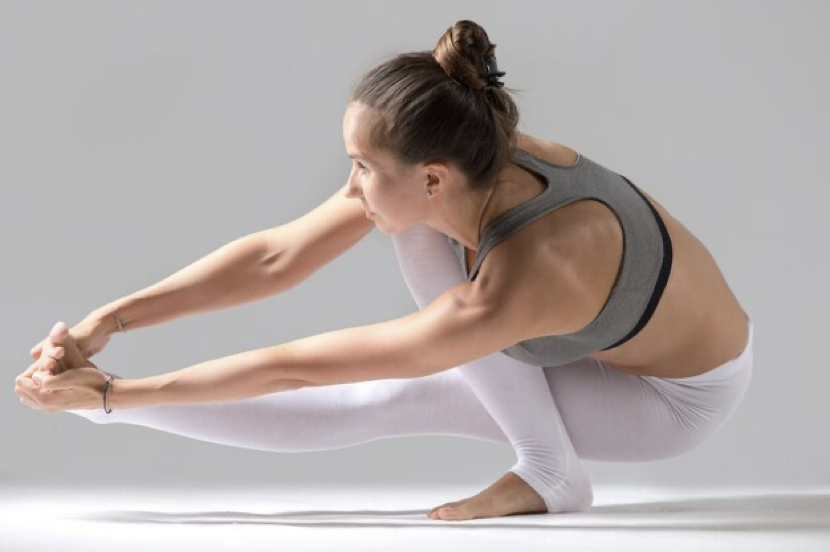
Embracing Flexibility: The Health Benefits and Pathways to Increased Flexibility
Flexibility is a fundamental component of physical fitness that often takes a back seat to cardiovascular endurance and strength training. However, the importance of flexibility should not be underestimated. Flexibility refers to the range of motion in a joint or group of joints and the ability of muscles and tendons to stretch effectively. Embracing flexibility not only enhances physical performance but also offers a myriad of health benefits that contribute to overall well-being. In this article, we delve into the significance of flexibility, its health advantages, and practical ways to improve and maintain flexibility in daily life.The Health Benefits of Flexibility1. Injury PreventionOne of the primary benefits of flexibility is its role in injury prevention. When muscles and tendons are flexible, they are better equipped to handle stress and strain during physical activities. Improved flexibility reduces the risk of muscle strains, ligament sprains, and other common injuries, especially during activities that require sudden or extreme movements.2. Improved PostureFlexibility plays a crucial role in maintaining proper posture. Tight muscles can pull the body out of alignment, leading to poor posture and a host of associated issues such as back pain, neck pain, and headaches. By enhancing flexibility in key muscle groups, individuals can improve their posture and reduce the likelihood of developing chronic postural problems.3. Enhanced Range of MotionIncreased flexibility translates to an expanded range of motion in joints, allowing for more fluid and efficient movement. This is particularly beneficial for athletes, dancers, and individuals engaged in physical activities that require a wide range of motion. A greater range of motion not only improves performance but also enhances overall mobility and agility.4. Stress ReliefFlexibility exercises, such as yoga and stretching, promote relaxation and stress relief. Stretching helps release tension in muscles, alleviate tightness, and promote circulation, leading to a sense of physical and mental relaxation. Incorporating flexibility exercises into a daily routine can contribute to stress reduction and improved mental well-being.5. Joint HealthMaintaining flexibility is essential for joint health and function. Flexible muscles and tendons help support the joints, reducing the risk of joint pain, stiffness, and degenerative conditions such as osteoarthritis. By preserving joint mobility through flexibility exercises, individuals can enhance joint health and longevity.How to Improve Flexibility1. Stretching ExercisesIncorporate regular stretching exercises into your fitness routine to improve flexibility. Dynamic stretches before exercise help warm up the muscles, while static stretches after exercise help lengthen and relax the muscles. Focus on stretching major muscle groups such as the hamstrings, quadriceps, calves, shoulders, and back.2. Yoga and PilatesParticipating in yoga or Pilates classes can significantly enhance flexibility, strength, and balance. These mind-body practices combine stretching exercises with strengthening movements to improve overall flexibility and body awareness. Attending regular classes led by experienced instructors can help individuals progress in their flexibility journey.3. Foam RollingFoam rolling is a self-myofascial release technique that helps release muscle tightness and improve flexibility. By using a foam roller to apply pressure to specific muscle groups, individuals can reduce muscle tension, increase blood flow, and enhance flexibility. Incorporate foam rolling into your post-workout routine to aid in muscle recovery and flexibility maintenance.4. Stay HydratedProper hydration is essential for maintaining muscle elasticity and joint lubrication, both of which are vital for flexibility. Drinking an adequate amount of water throughout the day helps keep muscles hydrated and supple, supporting flexibility and reducing the risk of muscle cramps and stiffness.5. Consistency is KeyImproving flexibility is a gradual process that requires consistency and dedication. Set aside time each day for stretching and flexibility exercises, and gradually increase the intensity and duration of your stretches as your flexibility improves. Be patient with yourself and celebrate small milestones along the way.

Does Your Coffee Cup Affect the Taste of Your Coffee
Coffee is a necessity for many people every morning, and for coffee lovers, a good cup of coffee is not only about choosing the right beans and cooking methods, but also about using the right coffee utensils, such as coffee cups.This article will explore the potential impact of coffee cups.First of all, the material of the coffee cup is an important consideration. Common coffee mug materials include ceramic, glass and stainless steel. Ceramic cups are the most common choice because they are able to maintain the temperature of the coffee and do not have a noticeable effect on the taste of the coffee. Ceramic is very helpful for maintaining the heat and stability of the coffee, which allows the coffee to maintain the ideal temperature in the cup, making the taste more comfortable. On the other hand, the glass has good transparency, which allows people to appreciate the color and layering of the coffee. However, the glass is less able to retain heat and the coffee may cool more quickly. Stainless steel cups have excellent thermal insulation properties and can keep the temperature of coffee for a long time, but the material of stainless steel may have a certain impact on the taste of coffee.Secondly, the shape of the coffee cup may also have an effect on the taste of the coffee. The shape of the coffee cup can affect the smell, taste and caffeine content of the coffee. For example, a round cup can help the aroma of coffee concentrate better, making it easier to taste the aroma of coffee. For lighter coffee, such as Americano, you can choose a larger caliber cup to better experience the taste of coffee. In addition, the bottom shape of the cup may also have an impact on the taste of the coffee. A cup with a narrower bottom may make the coffee taste more intense, while a cup with a wider bottom may make the coffee taste more balanced.

Navigating College Life: Some Mental Health Tips for Students
As the leaves turn golden and summer draws to a close, a new chapter begins for many young adults across the country. College is a time of excitement, growth, and self-discovery, but it can also be a period of stress and uncertainty. For parents with children heading off to college, ensuring their mental well-being is paramount. Here are five essential tips to help students manage their mental health during this transformative time.Establish a RoutineThe transition from high school to college often comes with a newfound sense of freedom. While this freedom is exhilarating, it can also lead to irregular sleep patterns, poor diet, and skipped classes if not managed properly. Establishing a routine that includes regular sleep, healthy meals, and dedicated study times can provide a foundation for emotional stability and academic success.Encourage Open CommunicationMaintaining open lines of communication is crucial for students' mental health. Parents should encourage their children to share their feelings, concerns, and experiences without judgment. This can help students process their emotions and feel supported. Regular check-ins, whether through phone calls, video chats, or text messages, can provide a lifeline for students navigating new challenges.Promote Self-CareSelf-care is essential for mental health, yet it's often overlooked in the hustle of college life. Encourage your student to engage in activities they enjoy and that help them relax. This can include exercise, meditation, hobbies, or simply taking time to unwind with a favorite book or movie. Remind them that it's okay to take breaks and prioritize their well-being.Seek Professional Help When NeededCollege campuses often offer counseling services that provide mental health support to students. If your child is struggling with stress, anxiety, or depression, encourage them to seek help from these professionals. Early intervention can be key to managing mental health issues and can provide students with coping strategies for the challenges they face.Foster a Support NetworkEncourage your student to build a support network at college. This can include friends, roommates, mentors, and professors. A strong support network can provide emotional support, practical advice, and a sense of belonging. Joining clubs, participating in campus activities, or studying in groups can help students connect with others who share their interests.
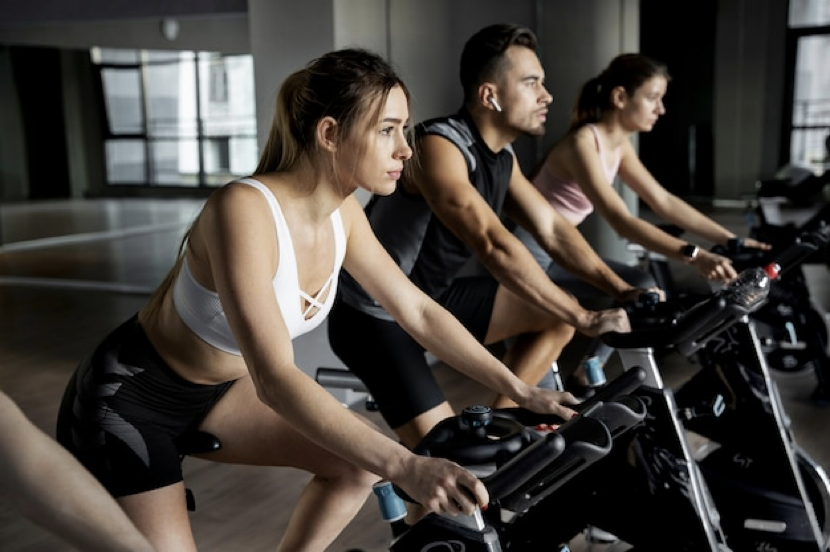
Tailoring Fitness and Nutrition: Why Women Need a Different Way
When it comes to health and wellness, the adage "one size fits all" simply doesn't apply. Men and women have different physiological makeups, hormonal balances, and health needs, which means that their approaches to exercise and nutrition should be distinct. Understanding these differences is crucial for optimizing health outcomes and achieving fitness goals.The differences between men and women extend beyond the obvious physical characteristics. Women tend to have higher body fat percentages, different muscle distributions, and unique nutritional needs due to their menstrual cycles, childbearing capabilities, and hormonal fluctuations. This article delves into why women need to exercise and eat differently than men and provides guidance on how to do so effectively.Energy Requirements and Macronutrient BalanceWomen generally have lower energy requirements than men due to differences in size and muscle mass. However, the quality of calories consumed is just as important, if not more so. Women should focus on a balanced diet that includes:Protein: Essential for muscle repair and maintenance, but also crucial for hormone production and bone health.Fiber: Supports digestion, heart health, and blood sugar control.Healthy Fats: Necessary for hormone production and can help regulate appetite.Hormonal ConsiderationsWomen's hormonal cycles can significantly impact their energy levels, mood, and body composition. Consuming a diet rich in complex carbohydrates, lean proteins, and healthy fats can help stabilize blood sugar levels and minimize mood swings associated with hormonal fluctuations.Bone HealthWomen are at a higher risk of developing osteoporosis due to lower bone density. Weight-bearing exercises such as walking, jogging, and resistance training can help strengthen bones. Additionally, a diet rich in calcium and vitamin D is essential for maintaining bone health.Cardiovascular HealthWhile both men and women can benefit from cardiovascular exercise, women may need to focus more on low-impact activities to protect against joint injuries. Swimming, cycling, and elliptical training are excellent options that provide heart-healthy benefits without excessive stress on the joints.Strength TrainingStrength training is essential for women to combat age-related muscle loss and improve overall metabolism. However, women may benefit from a higher focus on full-body, compound exercises that target multiple muscle groups at once, such as squats, lunges, and deadlifts.Flexibility and BalanceAs women age, maintaining flexibility and balance becomes increasingly important to prevent injuries and improve overall quality of life. Incorporating yoga, Pilates, or regular stretching into a fitness routine can significantly improve flexibility and core strength.Nutritional TimingWomen may need to pay closer attention to nutritional timing, especially if they are engaging in intense workouts or sports. Replenishing glycogen stores post-workout and consuming protein to aid muscle recovery is crucial.Prenatal and Postnatal CareFor women who are pregnant or nursing, nutritional needs change dramatically. It's vital to consume adequate calories, protein, and essential nutrients like folic acid, iron, and calcium to support both maternal and fetal health.

Figure Out Ways to Get Last-Minute Cruise Deals
After the turmoil and shutdowns in the cruise industry during the pandemic, cruising is resuming with a triumphant return. And cruise intent is higher now than it was pre-pandemic, according to the latest report. Some 85% of travelers who have taken a cruise, will cruise again, that figure is 6% higher than pre-pandemic. The report also reveals that passenger volume during 2025 is expected to exceed 35 million people, an unimaginable figure, and 106 percent of 2019 levels. Consumers have also reported that the cruise industry is witnessing higher numbers of solo travelers and those with mobility challenges, and an increase in Gen X and millennials booking cruise vacations. With increased demand for cruise travel, one of the world's hottest sectors of tourism, how can you find a last-minute cruise deal for 2025? Continue reading to learn how to stick the landing when booking your dream cruise vacation for less.Be Open to Your Departure Dates and PlacesHaving an open mind is critical when you are searching for last-minute cruise departures. Cruise lines frequently discount heavily to fill unsold cabins in the weeks leading up to the sail date. If you can be flexible with your travel dates or can take a trip on short notice, you'll find that you can score a great deal more often. Also, be flexible with your destination. Popular routes, like the Caribbean or the Mediterranean, may have greater availability, but lesser-known itineraries can also yield unique experiences at a fraction of the cost. In fact, the window for scoring last-minute cruise deals is within 90 days of a sailing. That three-month point is when final deposits are due on a cruise, and historically the last that you could cancel your cruise without being financially penalized.Book Through OTAs or Travel Deal SitesOnline travel agencies (OTAs) such as Expedia, CruiseDirect and VacationsToGo specialize in aggregating cruise deals from different providers. These booking platforms usually feature sections for last-minute deals, allowing you to review prices and itineraries easily. Also, deal sites like CruiseCritic and LastMinuteCruises cater exclusively to cruise discounts, offering curated lists of the best deals available. So keep an eye on these sites as they add new offers frequently.Book During Wave SeasonVolume is, of course, how cruise lines keep you coming back: Wave season (which spans January through March) is the best time of year for cruise deals. Cruise lines tend to have some of the best prices and perks (free upgrades, drink packages, reduced deposits) during this time. Even if you're preparing for a last-minute getaway, booking during wave season can help get you a better deal.Check for Group or Membership DiscountsSome cruise lines provide discounts for specific groups, including seniors, military members or if you belong to organizations like AAA or AARP. Cruising also has its own loyalty programs, which can offer access to exclusive deals and perks. Since anyone from one of these groups can potentially qualify for a discount, ask about any available discounts when booking your cruise.Keep an Eye on Price Drops After You BookIf you have already booked a cruise and suspect that prices will drop, monitor the fare. Some cruise lines will give price protection or onboard credit if the price of your cabin drops after you have booked. That's not a guarantee, but it's something to keep an eye on, especially if you've booked as far in advance as possible.Don't Underestimate the Benefits of Traveling Off-PeakCruising out of season can save you a lot of money. For instance, Caribbean cruises tend to be less expensive on hurricane season (late summer to early fall), whereas European cruises might be cheaper on shoulder seasons (spring and fall). If you travel to popular destinations during off-peak seasons, you benefit from lower prices and limited crowding.To conclude, the best last-minute cruise rates come from the ability to be flexible, have performed your research and are prepared to take action very quickly. With the help of online resources, collaborating with cruise experts, and keeping an eye on deals, you can score amazing penny-saving offers for your upcoming cruise mission.