


Easy Yoga Routine Helps Reduce Your Fatigue
Fatigue is a common issue that many of us face on a daily basis, whether it's due to work, stress, or simply the demands of everyday life. While getting enough sleep and maintaining a healthy diet are essential for combating fatigue, there are also other effective methods that can help, such as incorporating yoga into your daily routine. Yoga is a form of exercise that combines physical postures, breathing techniques, and meditation to promote relaxation, increase flexibility, and reduce stress. Here's an easy yoga routine that you can do at home to help reduce fatigue and rejuvenate your body and mind.
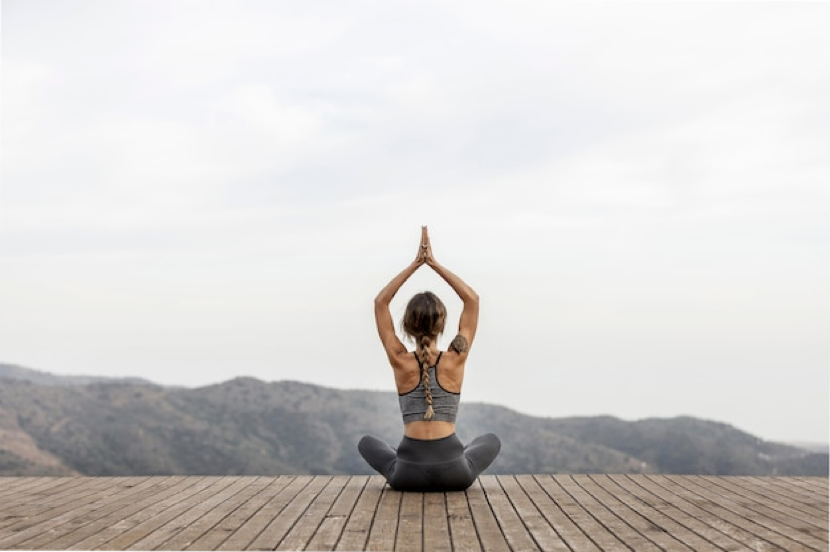
Start with a Warm-Up
Before beginning your yoga routine, it's important to warm up your muscles to prevent injury. Start by standing tall with your feet hip-width apart and take a few deep breaths, focusing on filling your lungs completely with air. Then, move into a gentle sun salutation sequence, which consists of a series of poses that flow smoothly from one to the next. This sequence helps to warm up your entire body and prepare you for the more challenging poses that follow.
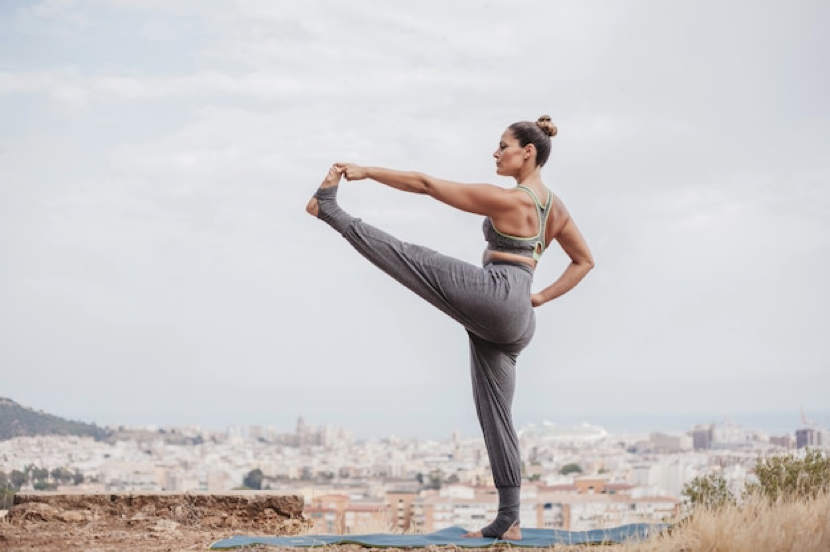
Mountain Pose (Tadasana)
Begin your yoga routine with Mountain Pose, a foundational pose that promotes good posture and helps to ground and center you. Stand tall with your feet hip-width apart, toes pointing forward, and knees slightly bent. Engage your core muscles and lift your chest, feeling tall and strong. Take a few deep breaths, focusing on your breath and allowing yourself to relax into the pose.
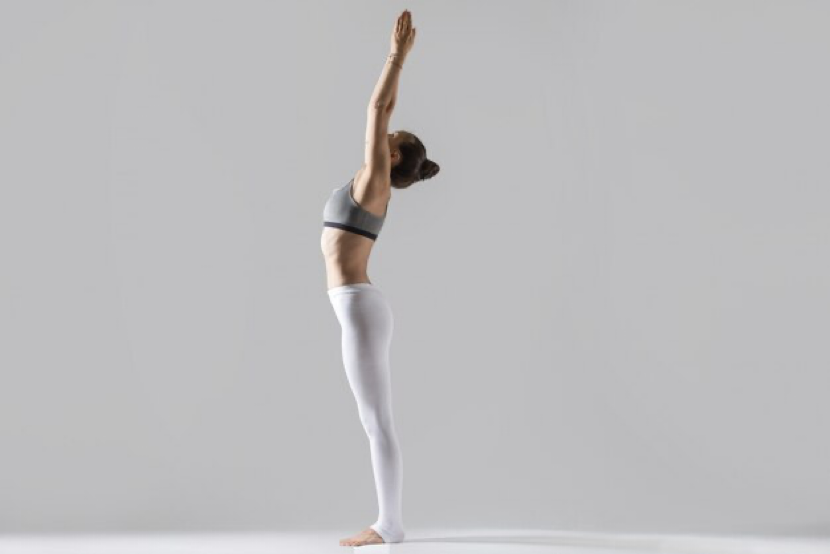
Warrior II (Virabhadrasana II)
From Mountain Pose, step your right foot forward about 3-4 feet, turning your right foot out 90 degrees and your left foot in slightly. Bend your right knee, keeping your knee aligned with your ankle, and raise your arms out to the sides, parallel to the floor and shoulder-height. Look over your right hand, keeping your gaze steady. Hold for several breaths, then repeat on the other side. Warrior II helps to strengthen your legs and open your hips and chest, promoting a sense of strength and stability.
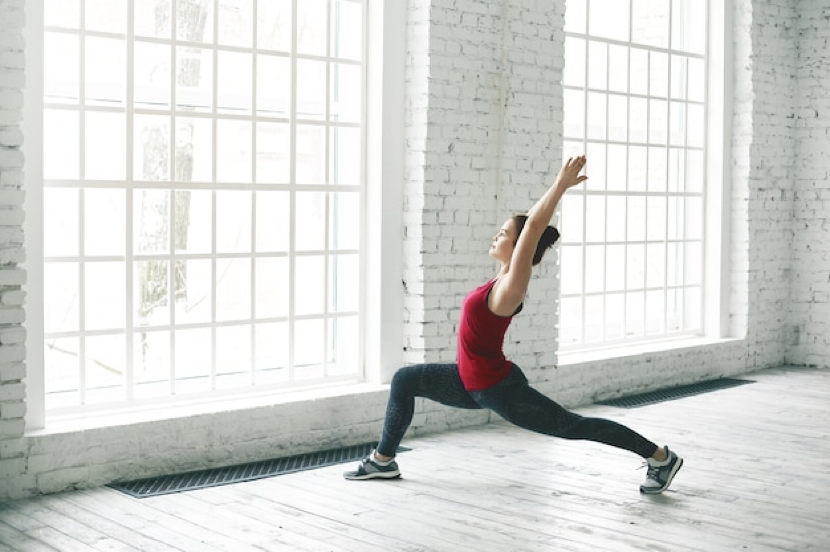
Tree Pose (Vrksasana)
Stand tall with your feet hip-width apart and shift your weight onto your left foot. Slowly lift your right foot and place the sole of your right foot against the inside of your left leg, either on your calf or thigh. Raise your arms above your head, palms facing each other, and focus on keeping your balance. Hold for several breaths, then repeat on the other side. Tree Pose helps to improve balance, focus, and concentration, as well as promoting calmness and relaxation.
Child's Pose (Balasana)
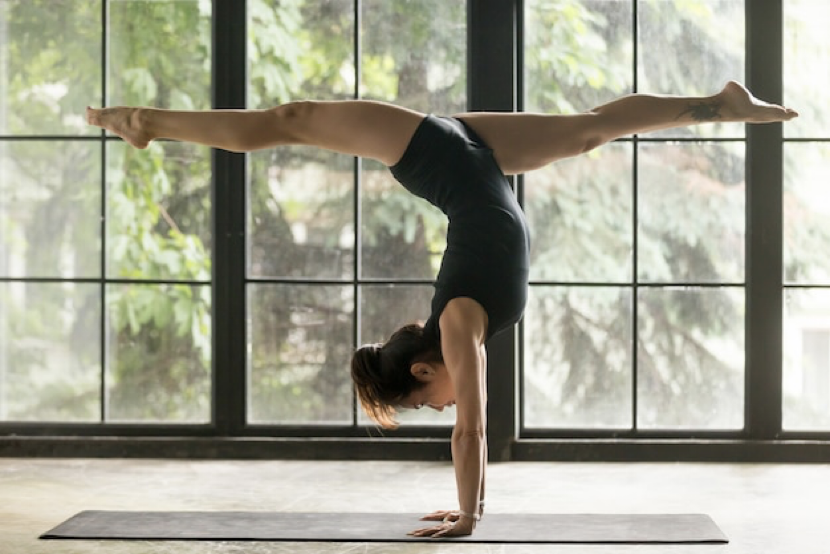
Kneel on the floor with your knees hip-width apart and your toes touching. Sit back onto your heels, then lower your torso forward, resting your forehead on the floor or a block. Extend your arms forward, palms facing down, and relax your shoulders and neck. Hold for several breaths, allowing yourself to fully relax and release any tension in your body. Child's Pose is a deeply restorative pose that helps to calm the mind and soothe tired muscles.

Corpse Pose (Savasana)
Lie down on your back with your legs straight and your arms at your sides, palms facing up. Close your eyes and take several deep breaths, focusing on your breath and allowing yourself to fully relax. Stay in Corpse Pose for several minutes, allowing your body and mind to unwind and rejuvenate. Corpse Pose is the perfect way to end your yoga routine, as it promotes relaxation and helps to reduce stress and fatigue.

Conclusion
Incorporating this easy yoga routine into your daily life can help to reduce fatigue and promote overall well-being. Remember to listen to your body and modify the poses as needed to suit your abilities and needs. With regular practice, you'll find that yoga can be a powerful tool for reducing stress, improving your mood, and increasing your overall sense of vitality and well-being.

Wedding Entertainment Hire FAQs
Wedding entertainment is key to creating the right atmosphere and making sure your guests are entertained. But couples often have questions about how booking works, how much they can expect to pay as well as what to expect in general. Here are the answers to some frequently asked questions when it comes to wedding entertainment hire.1.What qualifies as wedding entertainment?Entertainment for weddings can range from pretty much all performers or services suitable for guests to have a good time and include live bands, DJs, soloists, string quartets, magicians, photo booth operators, and even interactive entertainment such as dancers, or caricature artists. The best entertainment option will depend on the couples taste, style of wedding and guest demographic.2.How far should I book wedding entertainment in advance?The most well-known wedding entertainment, such as live bands and sought-after DJs, can often be booked 6 to 12 months ahead. Aiming to book entertainment as soon as possible, particularly for spring and summer weddings, is advised. Certainly solo musicians or smaller acts could maybe be had with less notice, but at a minimum it is a 4-6 month book to have the best options. The earlier you book, the calmer your heart will be and you don’t need to worry about the entertainment for your fabulous wedding.3.What is the price of entertainment for weddings near me?There is a huge range in costs, depending on the entertainment, experience, and location. On average:DJs: $800–$2,500Live Bands: $2,000–$10,000+Soloists (acoustic guitar, harp, etc.): $300 – $1,500Special Acts (magicians, photo booths, etc.): $500-$3,000Prices can vary based on performance length, travel costs, and any additional equipment you may need.4.Live band or a DJ ? Which is better for my wedding performance?This is, of course, depending on what kind of mood you want. The live band brings energy and its own character to the act, but might have few songs in rotation. DJs have more music choices and the music can be mixed together more smoothly; and they can also serve as the master of ceremonies for the event. Some couples do both — a band for dinner and the D.J. for dancing after. And there are a lot of wedding bands for hire and DJ for hire, this is not a big deal to worry too much.5.Should I pay a deposit for the wedding entertainers?Yes, the vast majority of professional entertainers will ask for a deposit of the fee for the magic party entertainment (usually 20–50%, sliding scale). The rest of the payment is expected prior to, or by the actual wedding day. Be sure to read over the contract and verify the cancellation policy and payment schedule.6.Should I supply equipment for my wedding entertainers?Many professional DJs or bands will transport their own sound systems, but you will need to verify this in advance. If your location has limitations (such as a sound ordinance), relate them to your entertainer. For solo musicians or acoustic acts, do they need that? You are supposed to connect with him or her in person to figure out the answers. Make sure the venue has good power and is suitable for your setup.7.How to make a wedding less traditional?In addition to music, you can also add:Interactive Characters (caricaturist, tarot reader, walk around magician)Line dances or group activities (the shoe game, trivia, the first dance)Photo booths with propsLive guest requests (some DJs or bands can receive real-time song requests via an app)To sum up, dealing with these common concerns early can help couples decide on the best entertainment to ensure a fun and personalized or memorable wedding.

Skills for Car Paint Upkeep
Car paint is an important part of the appearance of the vehicle, not only beautiful, but also can play a role in protecting the body.Therefore, the correct maintenance of the car paint is very important. The following will describe in detail how to maintain the car paint methods and skills.1. Avoid wiping with hard objectsWhen stains or dirt appear on the surface of the car paint, do not use hard objects to wipe, such as ordinary rags or paper towels. Doing so can scratch the paint, causing fine scratches and damage. The correct approach is to use a soft sponge or professional car cleaning cloth to gently wipe the stain and avoid overexertion.2. Wax regularlyWaxing is one of the important steps to protect car paint. The wax can form a protective film to prevent dirt and UV light from eroding the paint. It is recommended to wax the vehicle every 3-6 months, and the specific frequency can be adjusted according to the use of the vehicle and the environment. Before waxing, ensure that the surface of the vehicle is clean and choose the appropriate car wax product.3. Avoid prolonged exposure to sunlightProlonged exposure to sunlight can cause car paint to fade and age. Therefore, try to choose a place with shade when parking, or use a shade baffle to block. If it is impossible to avoid parking outdoors for a long time, you can consider using a vehicle cover to cover the entire body to play a certain protective role.4. Repair scratches and stone hits in timeIn daily use, car paint will inevitably appear some scratches and stone impact. If these damages are not repaired in time, they will accelerate the aging and corrosion of the car paint. Therefore, timely repair of scratches and stone impact is an important part of the maintenance of car paint. For small scratches, you can use the car paint repair pen to repair; For a large area of damage, it is recommended to seek professional car repair services.

Women at Work: Gains in Leadership Roles, But Catching Up to Men Could Take Decades
In recent years, there has been a noticeable shift in the corporate landscape as more women ascend to leadership roles. However, despite these gains, a new report suggests that true gender parity in leadership positions may still be decades away. This article explores the progress women have made in the workplace, the challenges they continue to face, and the implications of these findings for future generations.The Progress MadeThe past decade has seen significant strides for women in the workplace. According to data from the World Economic Forum's "Global Gender Gap Report 2023," women now hold 31.4% of senior management positions globally, up from 24% in 2015. This increase is a testament to the growing recognition of the value women bring to leadership roles, as well as the efforts of organizations to promote gender diversity. In the United States, the percentage of women in senior management roles has risen to 42%, according to a report by Catalyst. Additionally, women now make up nearly 30% of board members at Fortune 500 companies, a significant improvement from the 16% recorded in 2010. These numbers indicate that companies are increasingly prioritizing gender diversity in their leadership teams.The Challenges RemainingDespite these encouraging trends, the road to gender parity in leadership roles remains long and fraught with challenges. One of the most significant obstacles is the persistent gender pay gap. According to the Institute for Women's Policy Research, women in the United States earn 82 cents for every dollar earned by men, a disparity that widens for women of color. This pay gap not only affects women's financial security but also their ability to advance in their careers.Another challenge is the "glass ceiling" phenomenon, where women hit an invisible barrier that prevents them from reaching the highest levels of leadership. This is often due to systemic biases and stereotypes that favor men in leadership roles. For example, women are frequently perceived as less competent or less committed to their careers than men, which can hinder their advancement.Moreover, the COVID-19 pandemic has disproportionately affected women in the workforce. Many women, particularly those in leadership roles, have had to juggle increased caregiving responsibilities while continuing to work, leading to burnout and career setbacks. This "she-cession" has exacerbated existing inequalities and set back progress in gender parity.The Timeframe for Catching UpThe new report, which combines data from various sources, estimates that it could take up to 132 years to achieve gender parity in leadership roles. This staggering figure highlights the magnitude of the challenges women face and underscores the need for sustained efforts to address these issues.The report identifies several key factors that contribute to this slow progress. First, the pipeline of women entering leadership roles is still not sufficient to match the number of men. While more women are entering the workforce, they are not always progressing to the highest levels of leadership. Second, the retention of women in leadership roles is a significant issue. Many women leave their jobs due to lack of support, work-life balance challenges, and the inability to advance.Implications for the FutureThe findings of this report have profound implications for the future of work and gender equality. If current trends continue, it could take generations for women to achieve true parity in leadership roles. This not only affects women but also has broader economic and social consequences.Gender diversity in leadership has been shown to improve organizational performance, innovation, and decision-making. Companies that fail to promote gender diversity may miss out on these benefits and risk falling behind their more inclusive competitors. Additionally, the lack of gender parity in leadership perpetuates systemic inequalities that affect all aspects of society, from education to healthcare to politics.Moving ForwardTo accelerate progress towards gender parity in leadership, several actions are necessary. First, companies must prioritize gender diversity in their hiring and promotion practices. This includes setting clear targets for the representation of women in leadership roles and holding leaders accountable for achieving these targets.Second, organizations need to create supportive environments that enable women to thrive in leadership roles. This includes providing flexible work arrangements, mentorship programs, and leadership development opportunities. Companies should also address the root causes of gender bias and discrimination through training and awareness initiatives.

A Guide to Choosing the Perfect Used Car for Seniors
Understanding Specific NeedsThe first stage is an extensive evaluation to determine the driver's individual requirements and body considerations. Crucial questions for the customer to answer: What will you use the car for—primarily errands around town, or longer trips? Are easy in/out important to them for mobility reasons? Think in terms of larger door openings, seats at a convenient height (but not too low) and easier-to-use controls. Visibility is also key; seek out cars with good all-around sight lines and large, clear mirrors. A midsize sedan, a small SUV or crossover, or a minivan will usually provide the right mix of accessibility, visibility and ease-of-management for many seniors.Setting a Realistic BudgetWhen budget setting, look past the sticker price. Take into account the cost of ownership, including insurance rates, fuel economy and any repair or maintenance expenses. In general, cars with reputations for reliability might have a higher up-front price but produce lower long-term costs. Budget for a pre-purchase inspection by a trusted mechanic and for any minor, immediate adjustments or repairs (new tires, updated prescription lens side mirrors).Focusing on Simplicity and ComfortComfort is everything when it comes to an "adrenaline-inducing ride. Listen closely in the initial sit-test: Do the seats feel supportive and easily adjusted? If you sit in the driver's seat, are all the important controls easy to use, reach and operate? Prefer physical knobs and buttons as opposed to intricate touch-screen menus for climate and audio control. Contemporary safety technology such as a backup camera, blind-spot monitoring and automatic emergency braking are meaningful support systems that can foster confidence and security.Choice of Shopping: Private Sales, Dealers and Certified Programs1.Private Sales: Every so often, you can get an absolute steal of a deal through a private sale but it comes with additional risk. In order to prevent unforeseen problems, an outside mechanic should inspect any car sold by a private party prior to purchase. Negotiation is more common in private sales, but caution is recommended.2.Dealers: New car dealerships typically offer a good selection of used cars. Dealers, particularly when it comes to their fleet of pre-owned vehicles tend to set the bar pretty high. In many cases these cars have been through rigorous inspections and are a great option.3.Certified Programs: CPO vehicles have been checked and refurbished by the manufacturer for mechanical issues, or covered under manufacturer-provided warranties and high-quality financing. They tend to be less risky than standard used cars and can make a lot of sense when reliability is high on your priority list.The Essential Test DriveThe test drive is everything. Slip it in there at a time when you can hit the road in different conditions, both on city streets and highways. Inspect how well the car rides — is it smooth and steady? Check the acceleration and braking to make sure it feels responsive, but not jerky. Look for convenience to parking and the ease of getting in and out. The most critical is to make sure the driver is confident and comfortable driving., every switch should fall to hand and feel right in an instinctual way.Approach them with the aid of carefully observing these steps: evaluating what you need; budgeting sensibly; insisting on comfort; checking the history and taking an extended test drive, because then you'll know what's really going on with a used car when it's your turn as a purchaser. The proper used car will provide the peace of mind, comfort and reliability to facilitate years of independence and freedom.
What Is the Best Material for Framing Restored Old Photos
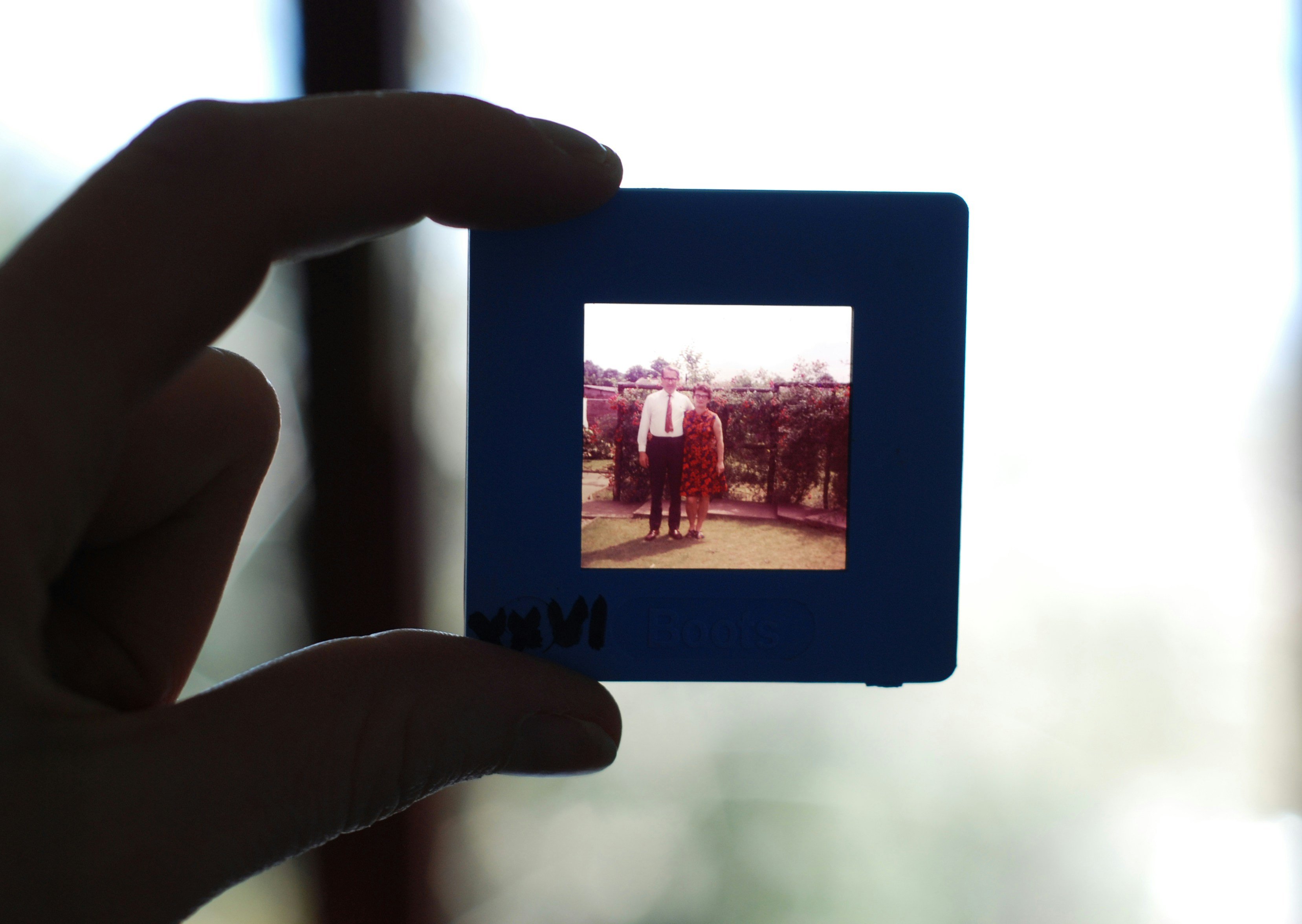
A glass frame is a common photo mounting material that consists of a glass panel and a wooden or metal frame.1. Glass FrameThe transparency of the glass frame makes the photo clearly visible and can effectively block dust and moisture. In addition, the glass frame provides some protection from sunlight, air pollution and pollutants. Glass frames are a good choice for restored old photos. It canfully show the restoration effect of the photo and provide a certain protection. However, it should be noted that the glass frame may have a certain weight and fragility, so it needs to be handled carefully when hanging or handling to avoid accidental damage to the photo.2. Acrylic PanelAcrylic panel is a light and strong photo mounting material made of clear acrylic material. Compared to other materials, acrylic has lower weight and better resistance, so it is safer and easier to handle. The acrylic panel also can clearly show the details of the photo. Acrylic panels are an excellent choice for restored old photos. Not only does it provide protection from dust, moisture, and UV rays, it also enhances and improves the color and detail of your photos. In addition, the acrylic panel also has anti-reflection characteristics, which can reduce and lower the light reflection and make viewing more comfortable and clear.