


Filtered Coffee: A Brew for a Longer Life
Coffee is a drink that is loved by people all over the world, and has been the principal food in many countries for centuries. The strong flavor and the function of pick-you-up make it the first product touched by millions of people in the morning all around the world. However, not all coffee are the same, a recent study finds that filter coffee might be healthier and more helpful for us, even in expanding your life span.

The Chemistry of Coffee
Coffee is filled with complex chemical compound, including caffeine, antioxidant and all kinds of acids. The way you make them can have distinctive influence on the density of these chemicals. Filtered coffee needs to make hot water go through the grid coffee beans, catch liquid and make coffee grounds stay in the meantime. Compared to other methods like espresso or French-pressed coffee, this process may lead to the relatively low level of some certain chemical compounds.

The Compounds in Filtered Coffee Are Healthier
One of the most distinctive differences of filtered coffee is the diterpene content is low, especially coffee alcohol and coffee bean alcohol. These compounds are high in unfiltered coffee, such as French pressed coffee. According to the study, coffee alcohol and coffee bean alcohol will escalate the cholesterol level of LDL, which is likely to cause heart disease. By filtering these compounds, filtered coffee become the optimal choice for those who pay attention to heart health.

Antioxidants and Disease Prevention
Filtered coffee is also rich in antioxidants which is a compound that protects cells from being hurt by radicals. The radicals are unstable molecules and can causes chronic diseases such as oxidative stress, cancer and diabetes. The antioxidants in coffee, including prochlorogenic acid and polyphenols can help neutralize free radicals, thus reduces the risk of this disease.

Caffeine and the Cognitive Benefits
There is no need to introduce more about the caffeine, a most famous ingredients in coffee, is a kind of central nervous system stimulant and can enhance alertness and cognitive function. Moderately taking caffeine has positive relations with memory improvement, nimble reaction and problem-solving skills enhancement. Although every coffee contains caffeine, the difference of filtered coffee is that it can control the volume you take, thereby, you can easily make the coffe you like with suitable density.

Relations with Longevity
A number of studies have shown that coffee do have some relations with longevity. Drinking moderate coffee can reduce the rate of die of all kinds of diseases, including heart disease, nervous system disease and suicide. Although it needs more studies to confirm this relation, these findings are still inspirational for those who like drinking a cup of coffee everyday.

Conclusion
Filtered coffee shows more healthiness than unfiltered coffee. But the moderation is key, drinking filtered coffee moderately can be a healthy part in your balanced diet. Thereby, when you pick up a cup of coffee next time, do consider the benefits and advantages you choose filtered coffee.

Winter Car Care: Essential Maintenance Tips for Keeping Your Vehicle Safe and Reliable
Winter is a challenging time for both drivers and their vehicles.Cold weather, road salt, and ice can take a toll on your car if it's not properly maintained. As such, it's crucial to take extra care of your vehicle during the winter months to ensure its safety and performance. Here are some essential tips for maintaining your car during the winter:Check the battery: Cold temperatures can reduce your battery's power, so it's essential to have it tested to ensure it's in good condition. If your battery is more than three years old, it's a good idea to consider replacing it to prevent unexpected breakdowns.Inspect the tires: Proper tire maintenance is crucial for safe winter driving. Check the tire pressure regularly, as cold temperatures can cause it to decrease. Also, ensure that your tires have enough tread depth to provide sufficient traction on snowy and icy roads. Consider switching to winter tires for improved grip and handling in cold conditions.Change the oil: Cold weather can cause your engine oil to thicken, making it more difficult for the engine to start. Consider switching to a winter-grade oil that flows more easily at low temperatures. It's also essential to stick to the manufacturer's recommended oil change intervals to keep your engine running smoothly.Test the lights: Days are shorter in the winter, so it's critical to make sure all your vehicle's lights are working correctly. This includes headlights, taillights, turn signals, and brake lights. Proper lighting not only helps you see better in low-light conditions but also makes your vehicle more visible to other drivers.

Choosing the Right Footwear: A Guide to Fall-Prevention Shoes for Seniors
Key Features of Senior-Friendly ShoesWhen buying shoes for elderly, consider non-skid rubber soles with deep tread patterns that provide the best grip on a variety of surfaces. Seek out low, wide heels (no more than an inch) that offer stabilizing support without hampering your equilibrium. Shoes must have good heel counters and proper arch supports to keep the feet in their natural position. Get the ones that adjust like Velcro or elastic laces so you can expand with foot swelling, but while still feeling secure on your feet. Lightweight construction minimizes fatigue when you wear all a day long just like padded collar prevents ankle discomfort.Shoes for Specific Health ConditionsSpecific foot health considerations should be used when selecting an appropriate athletic or walking shoe for older adults.1.Accessibility/ Balance: The elderly people often have balance difficulties; thus the shoes with wide soles and low heels can help them to improve their stability. Orthotic shoes with deep grip soles and enhanced ankle support are also a good choice for those who wish to prevent falls.2.Arthritis: For an elderly with arthritis, the more shock-absorbing and cushioning materials in the shoes, the better. Rocker-bottom shoes are designed to decrease joint pressure by encouraging a natural walking gait.3.Diabetes: Footwear that is designed to keep you safe from foot ulcers for older people with diabetes. Shoes with deeper depth, seamless insoles and soft cushioned materials may be beneficial to reduce friction on the foot and bony prominence.Footwear Types to AvoidSome shoes pose an enormous risk of falling and are not welcome additions to any senior's closet. High heel and platform shoes push the body weight forward, destabilizing the wearer.Backless slippers and loose flip-flops don't provide support to the heel, and they can slip off far too easily when on stairs. Worn-out athletic shoes with flat, polished soles for example lose all traction; at the other extreme, sneakers designed for very cushioned heels have specifically thickened sole zones that prevent feeling the ground.Footwear that doesn't fit well, whether too tight or too loose, can lead to pain, numbness or blisters that change the way a child walks.Recommended Shoes for the Elderly1.Propet Stability X: The Propet Stability X offers stability with cushioning and easy to adjust hook-and-loop closure systems. The adjustable strap makes this the perfect fit. They happen to be Medicare-approved shoes, so they are also an excellent value for seniors with certain health conditions.2.Skechers GOwalk 5: The Skechers GOwalk 5 slip-on is not only light, but comfortable, and it's an easy sneaker to put on for those seniors who have problems tying shoelaces. Thoughtful design with breathable material, cushioned foot bed and rubber outsole makes it the perfect everyday casual option.3.New Balance 928v3 walking shoes: The New Balance 928v3 is one of the most popular sneakers for those on their feet all day, or anyone who need additional arch support, cushioning and stability. With the anti-roll feature it controls the movement of rear foot for those who have trouble balancing.Essential Shoe Maintenance TipsShoe maintenance increases lifespan and protects safety properties. Check soles to monitor wear patterns monthly; uneven wearing is a sign of needing replacement. Scrub rubber soles regularly with a mild soap, as dirt is the number one killer of grip. Do keep shoes dry and don't leave them near direct heat sources, which break down materials. Treat leather shoes with conditioner every three months to avoid cracking. Arguably most importantly is to replace walking shoes every 6-12 months depending on how often you use them, no matter if they look okay.Rediscovering the joy of walking safely. The elderly can now enjoy a safe and sure way to walk indoors and outdoors. With the right footwear, and taking care of it, seniors can walk confidently and with less risk of falling.

Evening Exercise Breaks Unlock Restful Sleep
In the quest for better sleep, many people turn to relaxation techniques, sleep aids, or even stringent bedtime routines. However, a growing body of research suggests that one of the most effective strategies for promoting restful sleep lies in an unexpected source: evening exercise breaks. While conventional wisdom often advises against exercising too close to bedtime, recent findings indicate that moderate physical activity in the evening can actually enhance sleep quality. Here’s a closer look at how evening exercise breaks can unlock restful sleep and practical tips for incorporating them into your routine.The Science Behind Evening ExerciseTraditionally, it was believed that vigorous exercise before bed could lead to increased alertness, making it harder to fall asleep. However, studies are now showing that moderate exercise in the evening can have several sleep-enhancing benefits.1. Enhanced Sleep QualityResearch indicates that individuals who engage in regular evening exercise report improved sleep quality. Moderate physical activity can help regulate the body’s internal clock, promoting deeper stages of sleep and reducing the time it takes to fall asleep. Exercise increases the body’s core temperature, and as it gradually drops post-exercise, it signals to the body that it’s time to rest.2. Stress and Anxiety ReductionEvening exercise serves as an effective stress reliever. Physical activity releases endorphins, the body’s natural mood lifters, which can help alleviate anxiety and stress accumulated throughout the day. By engaging in exercise, individuals can create a buffer against the daily stresses that might otherwise interfere with their ability to fall asleep.3. Improved Sleep DurationModerate evening exercise can help extend the duration of sleep. Studies have shown that people who exercise regularly sleep longer than those who do not. The combination of reduced stress, enhanced mood, and physical fatigue from exercise can contribute to longer, more restful sleep.Types of Evening ExercisesNot all exercises are created equal when it comes to promoting restful sleep. Here are some effective options that can be easily incorporated into your evening routine:1. Walking or JoggingA brisk walk or light jog in the evening can be a great way to unwind. This low-impact activity allows you to enjoy the fresh air while promoting relaxation. Aim for 20 to 30 minutes of walking to reap the benefits without overstimulating your body.2. Yoga and StretchingYoga is particularly effective for promoting relaxation and stress relief. Gentle yoga poses and deep breathing exercises can help calm the mind and prepare the body for sleep. Consider a short evening yoga routine focused on restorative poses that emphasize relaxation.
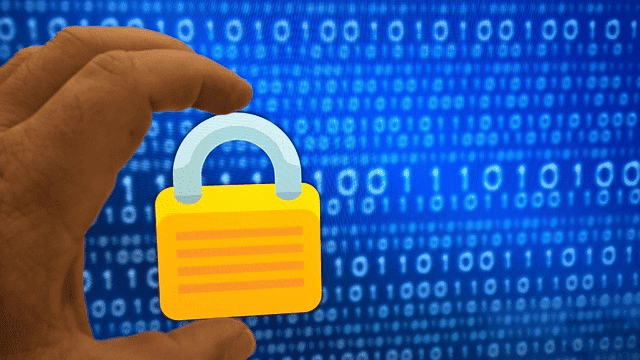
Protecting Your Digital Assets in the Modern Age
As the world continues to go online, the importance of ensuring your digital assets are protected reaches the same level as securing physical assets. Digital assets can be quite eclectic, including; cryptocurrency, online accounts, intellectual property, sensitive documents and social profiles. The growing threat to cyber security, whether its hacking or phishing, now necessitates that strong security protocols be in place to restrict access and potential loss.1.Strong and Unique PasswordsA password isn’t always enough to protect your digital property, one of the most basic things you can do to protect your digital self is have a password that’s strong and unique for every account. Too many of us don’t listen to that message — and wind up using the same password across multiple sites, which can have a domino effect of abuse if security at a just single one of those sites is compromised. A complex password would consist of mixed upper and lower case, numbers, and special characters.2.Two-factor AuthenticationTwo-factor authentication (2FA) is an extra security layer beyond just a password. 2FA serves as a second form of identification and, as such, serves as an extra bar to entry for any unauthorized person looking to access your account or device, and thus, the sensitive information contained within. By requiring a second form of proof, something like a fingerprint or a one-time mobile code or a physical security key, for instance, 2FA raises the bar on entry. Many major services, ranging from banks, email providers, and cryptocurrency exchanges all support 2FA. A simple yet useful step to increase security is to have it turned on wherever possible.3.Secured Private KeysIf you are a cryptocurrency or a blockchain-base-asset holder, you should make sure that private keys are secured. There is no way to recover lost or stolen keys (unlike bank accounts). So backup is critical. In any case, don’t put your private key on the internet, or anywhere nice and easily available online such as an email or cloud storage. All devices and software should be updated to have the necessary security patches. Also our approved antiviruses and malware scanners can find threats in real time before they do any damage.4.BackupsBackups are really the unsung heroes in protecting your digital assets. Ransomware attacks, hardware crashes or an accidental deletion can erase years of data in a heartbeat. By periodically saving important file into an external hard drive or a reliable cloud service you make recovering something overhead easier. For the greatest safety, the “3-2-1” rule is often recommended: Have three copies of data, on two different storage types, with one stored offsite.5.Never Click on Suspicious LinksSocial engineering assaults, like phishing on email or a phony call to customer support, they exploit human weakness rather than technical ones. And always double-check the legitimacy of requests for sensitive information, never click on suspicious links. Knowing common scams and educating yourself and others about them can save time and money.6.Long-term PlanningLastly, examine estate planning for long-term planning of digital assets. A great deal of digital accounts and holdings are not available to heirs without certain documents. If you have a list of accounts, passwords and instructions to it and share it with a lawyer or family member you trust to access it after your death, this will ensure your valuable assets are distributed the way you want. For digital security, it’s also imperative to maintain up to date software, updating it as it becomes available. And a lot of cybercriminals take advantage of weaknesses in outdated operating systems, applications or firmware.Ultimately, in a world that is increasingly connected, proactive security is critically not a luxury but a requirement. You can take action to mitigate the risk to themselves and their digital assets with this sequence of steps to protect themselves in the longer term.
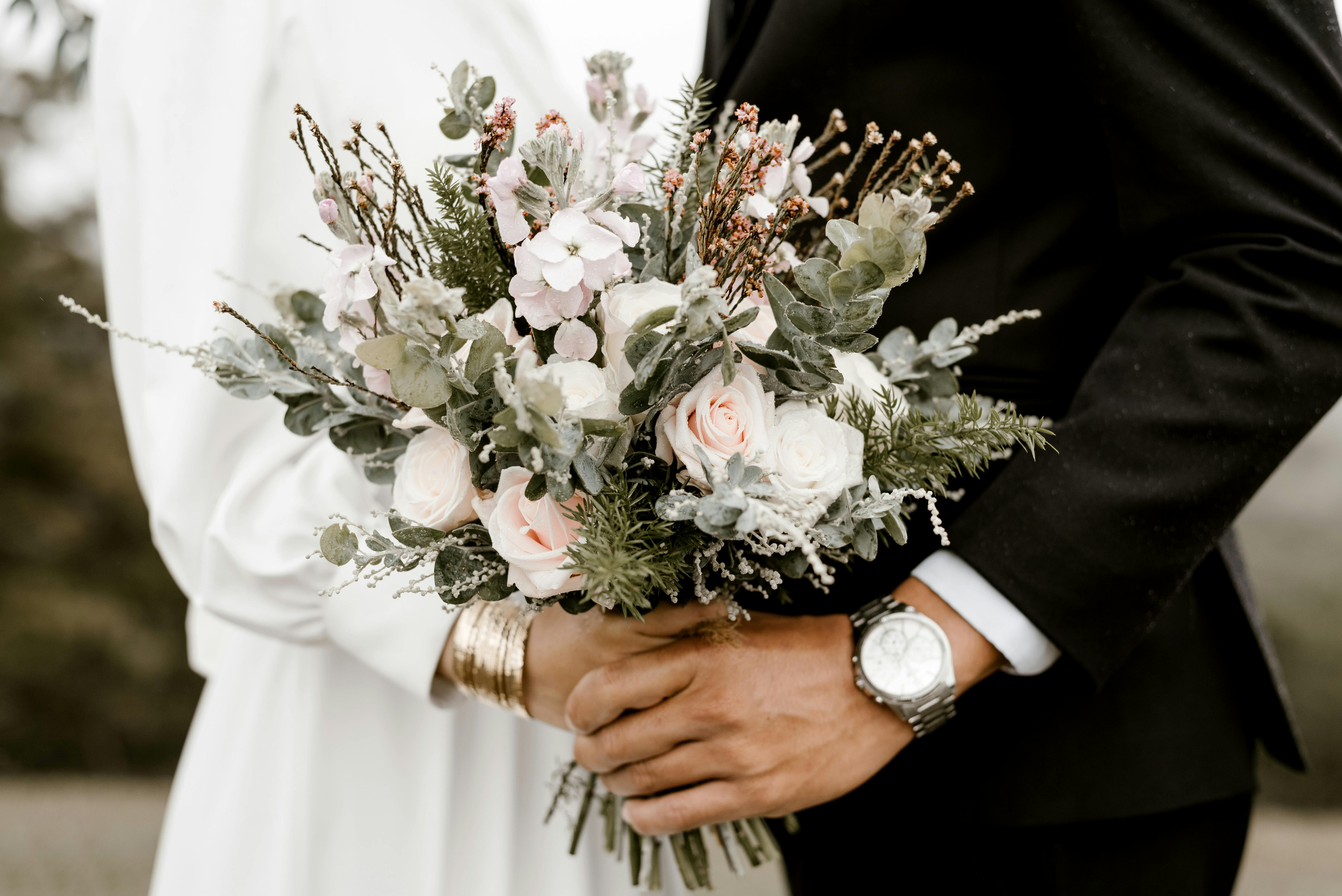
Whether Individuals Who Help Pay for a Wedding Should Have a Say in Its Planning?
Weddings are monumental occasions that often symbolize the union of two individuals in love. However, they can also become sources of tension when financial contributions come into play. One question that frequently arises is whether individuals who help pay for a wedding should have a say in its planning. This article explores the complexities of this issue, considering different perspectives and the implications of financial involvement.The Financial StakeWhen parents or family members contribute significantly to a wedding, their financial investment often leads them to believe they should have a voice in the planning process. This perspective is rooted in the traditional notion that those who contribute should have a say in how their money is spent. For instance, parents may want to ensure that the wedding reflects family values, traditions, or their own vision of a perfect day.Conversely, the couple getting married may view their wedding as a personal celebration that should reflect their tastes and desires. They may feel that financial contributions do not grant others the right to control or heavily influence their special day. This tension can create a delicate balancing act between honoring familial contributions and maintaining the couple's autonomy.The Emotional AspectFinancial contributions to a wedding are often accompanied by emotional investments. Parents may view their support as a way to foster familial bonds and contribute to their children’s happiness. This emotional connection can amplify their desire to influence wedding decisions, especially if they envision a specific style or theme.On the other hand, couples might feel that their independence is being compromised if they must cater to the wishes of those footing the bill. The pressure to please others can lead to stress and dissatisfaction, detracting from what should be a joyous occasion. Couples should thoughtfully navigate this emotional landscape, communicating openly with family members about their desires and boundaries.Finding Common GroundThe key to resolving potential conflicts over wedding planning lies in communication and compromise. Couples should initiate open dialogues with family members who are contributing financially. Discussing expectations and desires early in the planning process can help set the tone for collaboration rather than conflict.One effective strategy is to establish a budget that specifies how much each party is willing to contribute. This clarity can lead to more constructive conversations about who gets a say in what aspects of the wedding. For example, if parents are contributing a specific amount for the venue, perhaps they could have input on the location, while the couple retains control over the theme and decor.