


Natural Treatments for Knee Osteoarthritis
Degenerative joint disorders, such as knee osteoarthritis, are a frequent joint disease around the world and millions of people suffer from pain, stiffness, and disability in their joint. Although conservative treatments (i.e. painkillers, physiotherapy, or surgery) are frequently suggested, commonly patients turn to alternative methods to deal with the symptoms with less side effects. These techniques presents a comprehensive approach to treating knee osteoarthritis, aimed at providing relief of both the physical and psychological.
1.Acupuncture
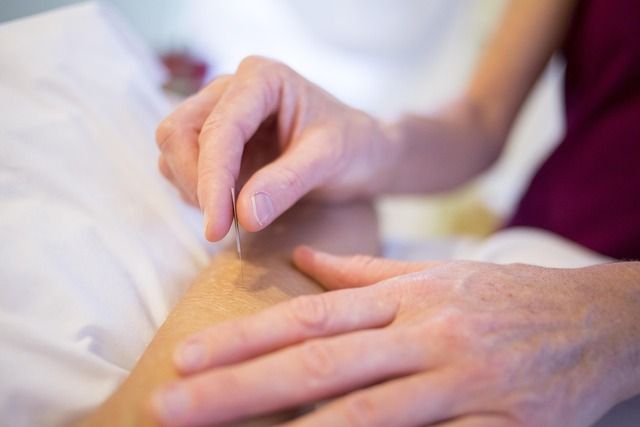
One of the most common alternative treatments for knee osteoarthritis is a traditional Chinese practice called acupuncture which small needles are inserted and manipulated at various points in the body. Studies show that acupuncture can trigger the release of endorphins, as well as increase blood flow to the affected joint. And it can be noticed that, with consistent treatments, a lot of clients will have less pain, more mobility. Individuals respond to acupuncture differently, it can be costly, and if you haven’t found any relief after four visits, chances are it’s not going to be helpful, but it is safe when provided by a licensed acupuncturist, and that may be particularly appealing for those who don’t want to take a medication.
2.Glucosamine and Chondroitin Supplements
These are the two most common oral supplements sold for joint pains. They’re said to promote healthy joints by decreasing inflammation and preserving cartilage. Long-term use might ease pain and improve mobility, according to some studies, although the outcomes will depend on severity of osteoarthritis. These supplements are not a panacea, but are considered as part of an overall anti-pain programme especially for those who prefer a more natural way of pain relief as opposed to taking prescription medication.
3.Massage
Another alternative therapy is massage which can offer relief by easing muscle tension and increasing circulation in the area of the knee. Talented therapists perform deep tissue or myofascial-release massage, pinpointing tight muscles and connective tissue that might be causing joint discomfort. Routine sessions may help reduce stiffness and increase flexibility, providing a non-invasive method of relieving symptoms. Some patients use massage in combination with other treatments such as application of heat for extra comfort.
4.Heat and Cold Therapy
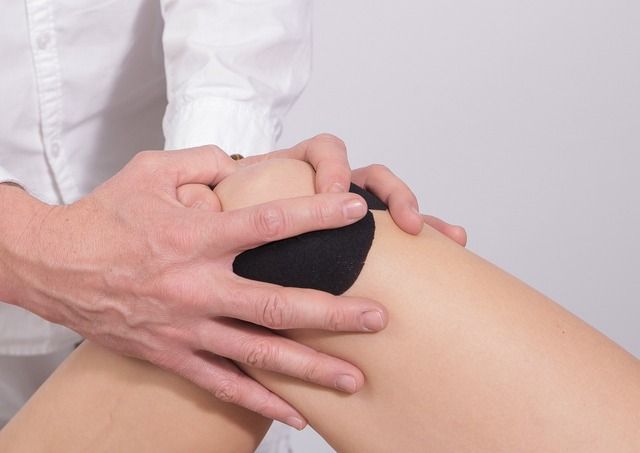
Although quite basic, heat and cold are still considered tried and true methods for alleviating osteoarthritis pain. Using heat by using warm compresses or heating pads help to relax stiff muscles, boost blood circulation, but if you use cold packs, it might numb the pain and reduce the swelling. Many people use both, switching them based on their symptoms applying heat in the morning to loosen the joint up followed by cold after activity to reduce inflammation. This low cost approach may be integrated into daily practice for maintenance of symptoms.
5.Chiropractic Adjustment
If we think of chiropractic adjustment more in the context of back pain, this study tells us that it can also provide relief to those suffering from knee osteoarthritis. Joint mobilization (chiropractic treatment) has the potential to restore normal alignment and lessen stress on surrounding tissues. They can help correcting these imbalances in your musculoskeletal system and return to proper movement patterns and reduce the stress on your knees. Although not an independent treatment, chiropractic can be a useful addition to a multidisciplinary pain management program.

Although these treatment options may not fully substitute conventional medical treatments, they offer a good selection for people who may wish to seek an adjunct way for relieving knee osteoarthritis. Whether it’s acupuncture’s pain-dulling effects or the structural benefits from chiropractic manipulations, people have a variety of options to find comfort. Incorporating one or more of these interventions — with professional guidance — could make a huge difference to your quality of life, giving those with knee osteoarthritis back the freedom to move. Of course, speaking with your doctor anytime you're trying a new treatment will ensure it is safe and tailored to your joint health.

MIND Diet is a Promising Approach to Mitigate Cognitive Decline
As the global population ages, concerns about cognitive decline and dementia are becoming increasingly pressing. Recent research has spotlighted the MIND diet—a hybrid of the Mediterranean and DASH diets—as a promising approach to mitigate cognitive decline. This article mainly introduces a study has found that adherence to the MIND diet is particularly beneficial for women and Black individuals, highlighting both the diet’s potential and the need for tailored health recommendations.Understanding the MIND DietThe MIND diet, which stands for Mediterranean-DASH Intervention for Neurodegenerative Delay, is designed to enhance brain health. It emphasizes the consumption of whole foods while minimizing processed foods. Key components include:1.Leafy Greens: Spinach, kale, and other greens are rich in nutrients that support brain health.2.Berries: Blueberries and strawberries are particularly noted for their antioxidant properties.3.Nuts: A healthy source of fats and proteins, nuts contribute to cognitive function.4.Whole Grains: Foods like oatmeal and brown rice provide essential fiber and nutrients.5.Fish: Fatty fish rich in omega-3 fatty acids are known for their protective effects on the brain.The MIND diet also advises limiting red meats, sweets, and fried foods, which are linked to cognitive decline.Key Findings of the StudyThe recent study, published in a leading journal, analyzed data from a diverse cohort, focusing on dietary patterns and cognitive health. Researchers found that adherence to the MIND diet was associated with a slower rate of cognitive decline, particularly among women and Black people.WomenThe study revealed that women who followed the MIND diet showed significantly better cognitive performance as they aged. This finding is particularly relevant given that women typically have a higher risk of developing Alzheimer's disease and other forms of dementia. Researchers suggest that the protective effects of the MIND diet may stem from its emphasis on nutrient-rich foods that combat inflammation and oxidative stress—key factors in cognitive decline.
Women May Benefit From Exercise in Reducing Risk of Cardiovascular Issues
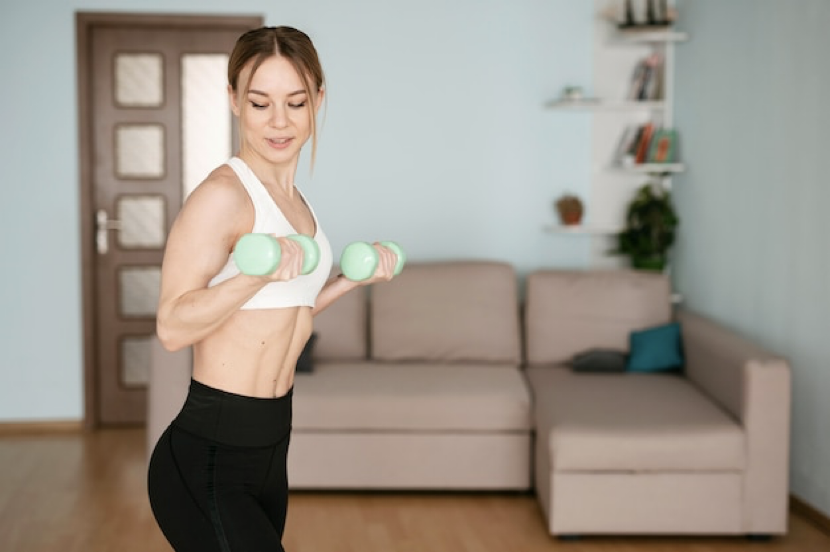
Cardiovascular disease (CVD) is a leading cause of morbidity and mortality worldwide, affecting millions of people, particularly as they age. While both men and women are at risk, recent research suggests that women may significantly benefit from exercise in reducing their risk of developing cardiovascular issues—potentially lowering their risk by twice the amount as men. Understanding the implications of this finding can empower women to prioritize physical activity as a vital component of their health regimen.The Importance of ExerciseExercise is widely recognized as a cornerstone of cardiovascular health. Regular physical activity strengthens the heart muscle, improves circulation, and helps maintain a healthy weight—factors that are crucial in preventing CVD. While the benefits of exercise are well-documented for both genders, emerging evidence indicates that women may experience a more pronounced protective effect against heart disease.Hormonal InfluencesOne potential reason for the differential impact of exercise on cardiovascular health between men and women lies in hormonal differences. Estrogen, which is more prevalent in women, has protective cardiovascular effects. It helps maintain healthy blood vessels and reduces cholesterol levels. However, as women age and estrogen levels decline, particularly during and after menopause, their risk for heart disease increases. Engaging in regular exercise can help mitigate some of these risks, potentially leading to more significant reductions in CVD risk compared to men.Research FindingsRecent studies have highlighted that women who engage in regular physical activity may cut their risk of developing heart disease by an impressive amount. For instance, a study published in the Journal of the American College of Cardiology found that women who exercised regularly were able to lower their cardiovascular risk significantly more than their male counterparts. The mechanisms behind this may include better weight management, improved blood pressure regulation, and enhanced lipid profiles among women who exercise consistently.Types of Beneficial ExerciseNot all forms of exercise are created equal when it comes to cardiovascular health. Both aerobic and strength-training activities play a crucial role, but aerobic exercises—such as walking, running, cycling, and swimming—are particularly effective in improving cardiovascular fitness.1. Aerobic Exercise: Engaging in at least 150 minutes of moderate-intensity aerobic exercise each week can lead to substantial cardiovascular benefits. This could include brisk walking, jogging, or group fitness classes.2. Strength Training: Incorporating strength-training exercises at least twice a week can also enhance cardiovascular health. Building muscle helps improve metabolism and supports better insulin sensitivity, contributing to overall heart health.3. Flexibility and Balance: Activities like yoga and Pilates, while not traditionally regarded as cardiovascular exercises, can improve overall physical function and reduce stress, which is also beneficial for heart health.Making Exercise a PriorityFor women looking to lower their cardiovascular risk, making exercise a priority is essential. Here are some practical tips to integrate physical activity into daily routines:1. Set Realistic Goals: Start with achievable goals, such as walking 10 minutes a day, and gradually increase duration and intensity.2. Find Enjoyable Activities: Whether it’s dancing, hiking, swimming, or joining a sports team, engaging in activities you love makes it easier to stick with an exercise routine.3. Incorporate Movement into Daily Life: Simple changes, like taking the stairs instead of the elevator or walking during lunch breaks, can significantly increase daily activity levels.4. Social Support: Exercising with friends or family can boost motivation and make workouts more enjoyable. Consider joining group classes or community sports leagues.5. Listen to Your Body: It’s essential to pay attention to your body’s signals. Start slow, especially if you’re new to exercise, and consult a healthcare provider if you have existing health concerns.

What Should You Do for Your Car in Winter
With the arrival of winter, the temperature is gradually decreasing, and higher requirements are also put forward for the maintenance of vehicles.In this season,owners should carry out a series of necessary checks. Let's take a look at what you should check for your car in the winter.1.Engine oilFirst, you need to check whether the engine oil is clean and whether it needs to be replaced. In winter, the viscosity of engine oil will increase, if the oil is not clean or has deteriorated, it may affect the normal operation of the engine. Therefore, before the arrival of winter, clean oil should be replaced to ensure the normal operation of the engine.2.Cooling systemThe cooling system is an important part of keeping the engine running properly. In the winter, the cleanliness and concentration of the coolant should be checked, and if the coolant is insufficient or of poor quality, it should be replaced in time. At the same time, it is also necessary to check whether the various components of the cooling system are leaking or damaged, and if there is a problem, it should be repaired in time.3.The batteryIn winter, the temperature is low, the power of the battery will be affected, and it is easy to lose power. Therefore, before the arrival of winter, you should check whether the battery is sufficient, if the power is insufficient, you should charge it in time. At the same time, it is also necessary to check whether the connection of the battery is tight to prevent the loss of electricity due to loose connection.4.TireThe tire is the part of the vehicle in contact with the ground, and its condition is directly related to the safe driving of the vehicle. In winter, because the temperature is lower, the road may become slippery or icy, so it is necessary to check the depth of the tire pattern and air pressure to meet the standard. If the tire is seriously worn or the air pressure is insufficient, it will affect the grip and driving stability of the tire, and increase the risk of accidents.

Senior Housing Choices: Finding CCRCs, Villages and Cohousing
The perfect home for seniors has never been more important as people the world over live longer than ever before. Older adults today want living options that provide not just comfort and safety, but also community, independence and the ability to access care when it's needed. Knowledge of these options can allow seniors and their families the opportunity to make informed decisions for the future.1.Continuing Care Retirement CommunitiesA CCRC is a facility with many levels of care that are housed within the same campus. Residents generally begin in independent living, with private apartments or cottages, social activities and amenities like fitness centers and dining halls. And, as their health care needs shift, they can move easily to assisted living or more intensive skilled nursing care without being forced to pack. This philosophy of “continuum of care” provides comfort in the knowledge that medical and personal assistance is there when needed. Entry fees and monthly fees are typically used to finance them, making CCRCs a substantial investment. But for those who value long-term security and ease of living, this choice brings stability and great care across the various phases of aging.2.VillageIn comparison, the Village movement is all about assisting the elderly in aging in place in their own homes and communities. Villages are nonprofit, member-driven organizations that provide older adults with access to services, volunteers and social activities. With an annual membership fee, members are entitled to resources such as transportation, home-related repairs and social events, promoting a close community while remaining independent. Unlike CCRCs, Villages themselves don't offer medical care, but they're known to partner with local health organizations who can offer assistance. This model is perfect for the seniors who are very attached to their homes and their neighborhoods but require more help and social engagement as they get older. The Village movement is ballooning, especially in urban and suburban areas, where it allows seniors to continue living in the same communities without upending their lives.3.CohousingAnother emerging alternative and trend is Cohousing, a customized living arrangement in which seniors can share common areas and still live independently. Cohousing is unique from typical retirement communities in that it's specifically designed to facilitate interaction, with shared kitchens, gardens, and common spaces. There's strong community involvement, and residents take part in decision-making and often meet for communal meals and activities. This model holds particular appeal for those who value sustainability, social connection and belonging. Although cohousing generally does not offer professional care services, some facilities offer a wellness program, or contract with home healthcare agencies. It can provide an ideal mix of independence and community for seniors who want an active, interdependent lifestyle but don't want the retirement home feel of an institutional setting.The best senior housing option depends on specific needs, whether it is guaranteed care focused on your parents or neighborhood support or a senior community with close integration or a shared living experience. For those who expect to one day require medical help, a CCRCs offer a comprehensive, “nothing left out” lifestyle pattern. Villages are places where you can age in place, with social and practical support; cohousing creates deep links among people who are like-minded. In an ever changing society, these models show that retirement living no longer has to equate with loneliness or loss of autonomy.In the end, it is a personal choice when one considers factors such as monetary considerations and the kind of life they would prefer to have. Through CCRCs, Villages, Cohousing and other options, older adults can also discover a living arrangement that is in line with the way they wish to livee, one that provides comfort, community, and the appropriate level of care as they begin their journey into the next chapter of their lives.
Mastering the Road: A Comprehensive Guide for Road Bike Beginners
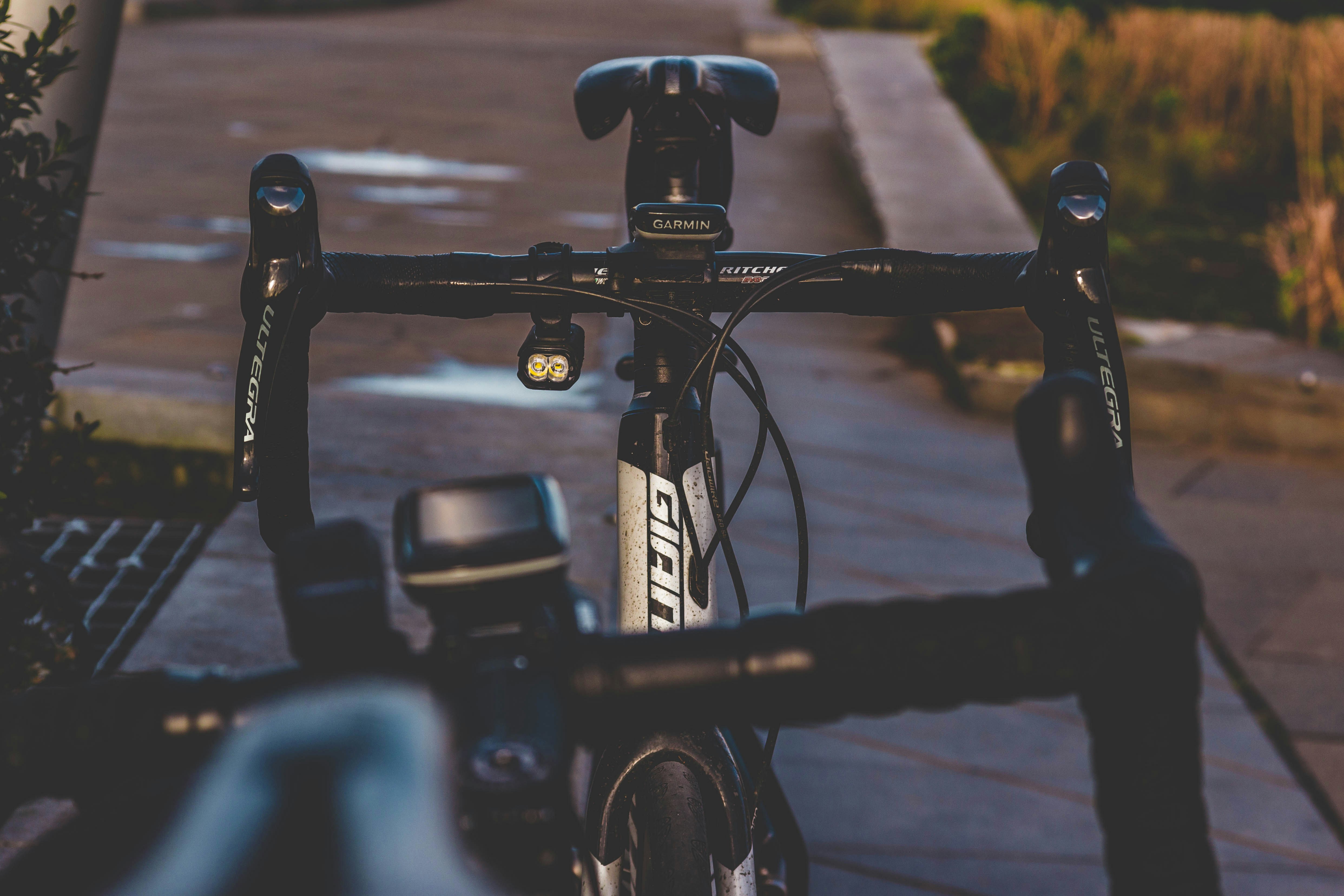
Road biking is a popular and exhilarating activity that allows riders to explore the world on two wheels.For beginners, getting started with road biking can be an exciting but daunting experience. In this advanced guide, we'll provide essential tips and advice for road bike beginners who want to take their cycling to the next level.Bike Fit and ComfortOne of the most crucial aspects of road biking is ensuring that your bike fits you properly. Invest in a professional bike fitting to adjust your saddle height, handlebar position, and overall bike setup to match your body's measurements. A comfortable bike fit will not only enhance your performance but also prevent injuries and discomfort during long rides.Riding TechniquesAs you progress in road biking, it's essential to focus on improving your riding techniques. Practice maintaining a smooth and efficient pedal stroke, mastering gear shifting, and developing the ability to ride in various positions, such as riding in the drops for better aerodynamics and climbing out of the saddle for power.Nutrition and HydrationLonger rides and advanced road biking require proper nutrition and hydration. Learn about the importance of fueling your body with the right mix of carbohydrates, proteins, and fats, and staying well-hydrated to sustain your energy levels during intense rides.Interval Training and Hill ClimbingTake your training to the next level by incorporating interval training into your cycling routine. Interval workouts can help improve your cardiovascular fitness, speed, and endurance. Additionally, focus on hill climbing to build strength and power in your legs, essential for conquering challenging terrain.