


Vegetable Oil May Lower Risk of Dementia
With the severer aging problem in the whole world, dementia has been a more and more serious problem in public health. According to the statistics from World Health Organization, there are more then 50 million people who are suffering from dementia, in which this number will skyrocket twice as it’s now in the few decades. Study finds that diet plays a significant role in preventing dementia and it is reported that a daily dose of one vegetable oil may lower risk of dying from dementia.

The nutrition of vegetable oils
Vegetable oil is famous for its monounsaturated and polyunsaturated fatty acids, especially olive oil, flinseed oil, canola oil and so on. These healthy fat can improve the circulation of blood, lower the risk of inflammatory response and has positive impact on brain health. It is believed by the scientists that the healthy fat can protect our brains by a variety of mechanics, for example, it can help the neurons in growing and repairing themselves.
Overview of the study
Researchers have found in a long run research mainly focuses on the old people that those participants with a regular intake of vegetable oil had a significantly lower incidence of dementia than those who did not consume vegetable oils or consume more animal fat. The research studied the eating habits and health conditions of certain hundreds of old people, and they drew the conclusion that the intake of vegetable oil has positive correlation with cognitive function.
Antioxidant
Antioxidant components in vegetable oils, such as vitamin E and polyphenolic substances, play important roles in preventing cognitive decline. The antioxidants can defend the free radicals from doing harm to cells in order to reduce the speed of aging. The polyphenolic substances in vegetable oil, especially those are already widely use in Mediterranean diet have been proved to be effective in lowering the risk of Alzheimer.

Comprehensive lifestyle
Although the study agrees that the vegetable oil can be a protection, other aspects in your life can not be ignored as well. A balanced diet, moderate exercise, enough sleep and social activities are also vital and essential for lowering dementia. Hence, we should also pay attention to the comprehensive lifestyle while putting vegetable oil into your daily diet.
Moderate intake
It is worth noting that we ought to follow the moderate intake of vegetable oil in our daily lives. Of course the vegetable oil is comparatively healthier than animal fat, but excessive intake may lead to weight increase and other unexpected health problems. It is suggested one or two spoons are adequate every day, which not only ensures our intake, but also prevents extra risks.

Conclusion
In conclusion, a daily dose of one vegetable oil may be an effectual way for lowering the risk of dying from dementia. In the future, may there be more studies to unlock the mysteries of vegetable oil in brain health and provide scientific accordance to dementia prevention. During the process of pursuing healthy life, combining the moderate intake of vegetable oil with other healthy lifestyles might offer a feasible method to help us defend dementia’s attack.
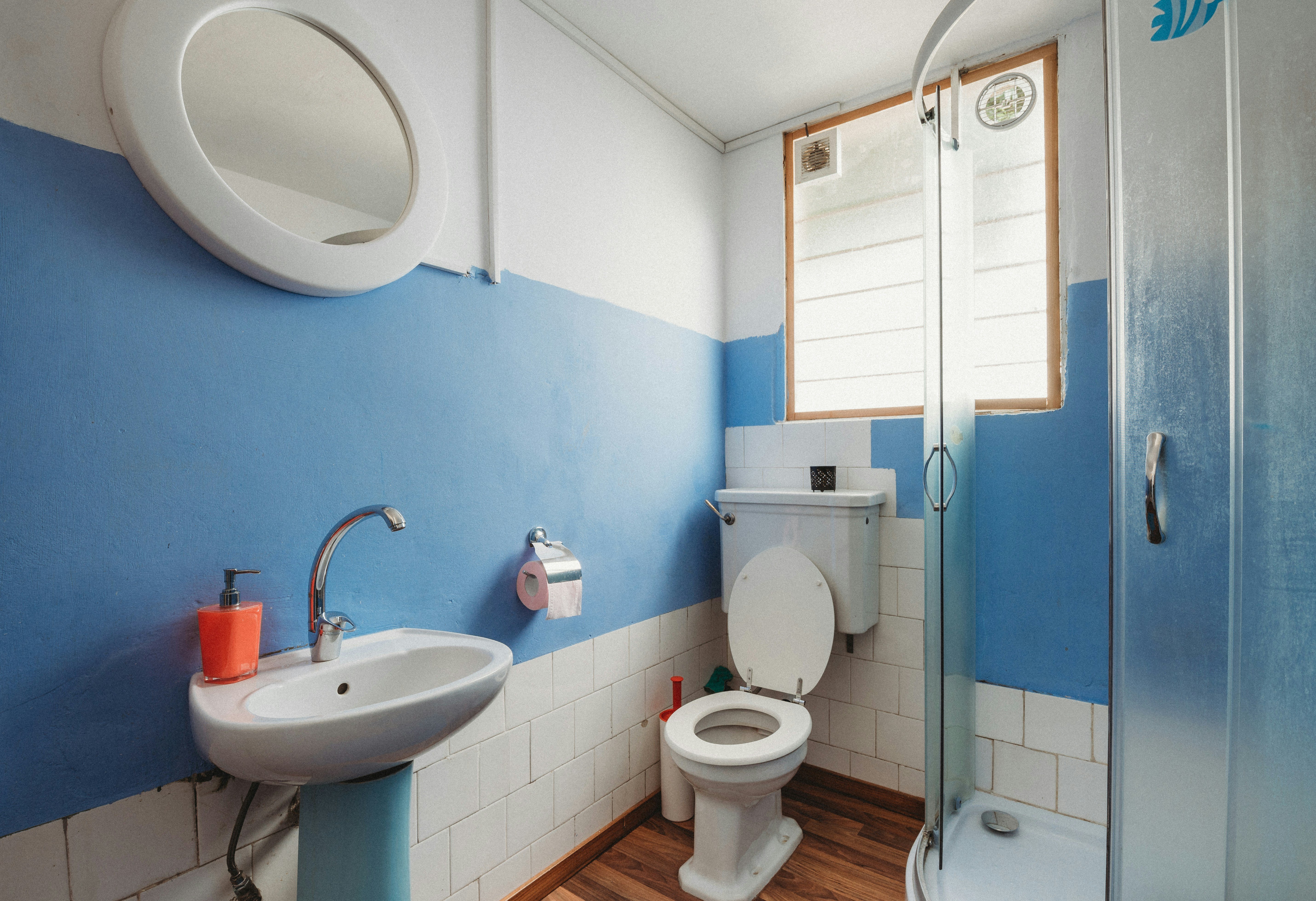
Tips to Effectively Enhance the Aesthetics and Practicality of Your Bathroom
The bathroom is an essential space in any home, serving as a sanctuary for relaxation and personal care. When it comes to decorating your bathroom, attention to detail is crucial to creatinga functional and aesthetically pleasing environment. In this article, we will explore all about this.Choosing the Right Color SchemeThe color scheme sets the tone for your bathroom and greatly impacts its overall look and feel. Consider the following when selecting a color scheme:1. Wall Colors: Select mitigating and light colors, like delicate neutrals or pastel tones, to make a quiet and welcoming air. Stay away from dull colorsthat can cause the space to feel little and squeezed.2. Accent Colors: Add pops of variety through emphasize components like towels, carpets, and worksof art. These articulations can infuse character into the space and make visual interest.3. Tile Determination: Pick tiles that supplement the general variety conspire. Think about examples, surfaces, and completes that upgrade the style you need to accomplish.Lighting DesignProper lighting is essential in the bathroom to ensure functionality and create the right ambiance. Pay attention to the following aspects of lighting design:1. Natural Light: If possible, maximize natural light by using sheer window coverings or translucent glass. Natural light not only illuminates the space but also creates a sense of openness and freshness.2. Task Lighting: Install adequate task lighting around the mirror and vanity area to ensure proper visibility for grooming tasks, such as applying makeup or shaving. Wall sconces or vanity lights on either side of the mirror are ideal for this purpose.3. Ambient Lighting: Consider installing ambient lighting fixtures, such as recessed ceiling lights or pendant lights, to provide overall illumination and create a relaxing atmosphere.

Flying Business Class Is Not a Dream
Flying business class is something that is a dream for a lot of travelers, given the added comfort, better service, and overall pleasurable experience associated with it. But the cost can feel out of reach. But with some strategy and smart tips, you can fly business class for less than you might think.1.Book Early or Last MinuteIt’s possible — booking your flight many months in advance can often net a better deal on business class tickets. Most airlines make available only a handful of discounted seats at first. On the flip side, last-minute deals can be gold. Airlines will occasionally discount prices on the few remaining business class seats close to departure. If you have flexibility with your travel dates, your chances of finding a bargain will be that much higher.2.Travel by Using Your Frequent Flyer Miles and PointsJoin the airline loyalty programs and utilize co-branded credit cards to rack up points when you spend on daily items. Many airlines offer substantial sign-up bonuses that can add up to a business class ticket fairly quickly. Also, if you have flexible reward points like Chase Ultimate Rewards or American Express Membership Rewards, find out whether transferring points to an airline partner would yield better value than redeeming them that way.3.Discover Error Fares and Special PromotionsSometimes airlines mess up when pricing tickets, and you end up with a steeply discounted business class fare. Specialist sites such as Secret Flying and Airfarewatchdog are set up for doing this kind of work on error fares. Also, look for special promotions and sales. Airlines frequently have sales, particularly during slower travel periods where the discounts on business class tickets can be significant.4.Look for Alternate Airports and RoutesSometimes, taking off or landing at alternative airports has cheaper business class prices. If you’re heading to Europe, for instance, you might fly into a major hub like London or Frankfurt and then hop on a budget airline to your final destination. Likewise, indirect flights with layovers tend to be cheaper than non-stop routes. It can take longer, but the savings can be significant.5.Upgrade with Cash or MilesIf an outright business class ticket is just too expensive, look at buying an economy ticket and upgrading. You can offer to pay for an upgrade, or use miles to book a better seat on many airlines. Follow upgrade offers as your departure date draws closer. Airlines may reduce the cash or miles necessary to fill leftover business class seats.6.Travel in Off-Peak TimesBusiness class seat demand also varies throughout the year. The off-peak travel seasons, like late in winter or early in fall, generally come with a lower price tag. Avoiding major holidays and school vacation periods is also a good way to find cheaper fares. In addition, flights in the mid-week, compared to the weekends, are much cheaper.7.Book Through Travel Agencies and ConsolidatorsTravel agencies and ticket consolidators sometimes have access to discounted business class fares not available to the general public. These companies buy tickets in bulk and can save you a ton of money. Do your homework, though, and comparison shop — the myriad of agencies you can find online vary widely in terms of cost and quality.8.Look for Budget AirlinesCertain airlines are notorious for having lower business class fares. Airlines like Turkish Airlines, Qatar Airways, and Etihad tend to offer superb value, for example. Inspire yourself and new destination ideas through your favourite airlines. Newer airlines or airlines that expand their route offerings may also provide introductory savings to reach new customers.9.Be Flexible and PersistentHow do you get a cheap business class ticket? Monitor airline websites, create fare alerts and be prepared to book when you see a good price. If you’re flexible, to be patient and make it work, you’ll get rewarded down the line.So there we have it, with frequent flyer miles, keeping an eye out for promotions, and being flexible with your travel plans, you can score business class seats without the business class price tag.

Aspects to Focus on When Buying a Home Security Camera
Home security cameras are a valuable part of maintain safety and piece of mind. Whether you want to keep your home safe while you’re away, or you need to be able to see what’s happening at your front door, there are tons of options for home security cameras. With all of the options that are out there, and here are some things to consider to ensure you have a camera that works for you how you want it to.1.ResolutionThe resolution of the camera is another important consideration. More resolution typically means clearer images, and that can be critical when trying to identify faces or license plates. Many new cameras record in HD 1080p and even 4K resolution. But, of course, higher resolution also translates into larger file sizes, which can eat up more space and more bandwidth. If you plan on recording footage non-stop, you'll want enough space, whether that's cloud storage or a local solution such as microSD cards or network-attached storage (NAS).2.Size of the ViewThe size of the view is also a consideration. A broader perspective enables thus reducing blind spots and more coverage area for the camera. Cameras with field of view from 130 degrees to 180 degrees are typical, but welter-weight panoramic cameras with 360-degree coverage are available. If you are watching over a large space, like a garden or sitting room, then you may want a wider angle. But for more confined spaces, you may want to narrow the beam to prevent wasted coverage.3.ConnectivityAnother consideration is connectivity. The vast majority of home security cameras today have some type of Wi-Fi connection, but what kind of network device you're connecting to is going to make a difference. A poor signal may result in lagging or dropped connections if your camera is too far from the router. Some cameras have Ethernet ports for improved connectivity, or dual-band Wi-Fi for better signal. Wireless (battery operated) cameras are versatile where you can place them, only to have the hassle of replacing, or recharging batteries.4.StorageThere are various storage options for cameras and the kind you choose will depend on how much storage you wish to keep. The convenience of cloud storage is that it can offer remote access and automated backups, but it frequently involves subscription fees. Local storage, such as SD cards or an external hard drive, removes ongoing charges, but could be stolen or damaged if the camera is interfered with. Some also have hybrid solutions, where you can keep footage locally and in the cloud for extra backup.5.PrivacyPrivacy is a becoming a worry with home security cameras. And, because these devices are internet-connected, they may be hackable if not protected. Opt for a camera with robust encryption, two-factor authentication and regular firmware updates, and you may safeguard your data. Also think about whether the camera offers physical privacy mechanisms like a lens shutter or the ability to disable recording entirely when you're home.6.Smart FunctionsSmart functions fills it with more value. Most have motion detection, but some advanced cameras have facial recognition and sound detection, too. This helps prevent false alarms caused by swaying branches, swinging parking gates or passing cars. The camera also supports two-way audio so you can address delivery people or even would-be intruders through the camera, which is a nice touch. Integration with smart home platforms like Amazon Alexa or Google Assistant can offer easy control and automation too.In conclusion, picking the first home security camera does not only mean paying a visit to a shop and picking the first model you see. By considering your requirements on placement, resolution, storage, connection, privacy, and smart features, you choose a camera which is suitable to both security and convenience for your home. By researching and comparing your options you will invest in your security and peace of mind for many years to come.

A Guide to Choosing the Perfect Used Car for Seniors
Understanding Specific NeedsThe first stage is an extensive evaluation to determine the driver's individual requirements and body considerations. Crucial questions for the customer to answer: What will you use the car for—primarily errands around town, or longer trips? Are easy in/out important to them for mobility reasons? Think in terms of larger door openings, seats at a convenient height (but not too low) and easier-to-use controls. Visibility is also key; seek out cars with good all-around sight lines and large, clear mirrors. A midsize sedan, a small SUV or crossover, or a minivan will usually provide the right mix of accessibility, visibility and ease-of-management for many seniors.Setting a Realistic BudgetWhen budget setting, look past the sticker price. Take into account the cost of ownership, including insurance rates, fuel economy and any repair or maintenance expenses. In general, cars with reputations for reliability might have a higher up-front price but produce lower long-term costs. Budget for a pre-purchase inspection by a trusted mechanic and for any minor, immediate adjustments or repairs (new tires, updated prescription lens side mirrors).Focusing on Simplicity and ComfortComfort is everything when it comes to an "adrenaline-inducing ride. Listen closely in the initial sit-test: Do the seats feel supportive and easily adjusted? If you sit in the driver's seat, are all the important controls easy to use, reach and operate? Prefer physical knobs and buttons as opposed to intricate touch-screen menus for climate and audio control. Contemporary safety technology such as a backup camera, blind-spot monitoring and automatic emergency braking are meaningful support systems that can foster confidence and security.Choice of Shopping: Private Sales, Dealers and Certified Programs1.Private Sales: Every so often, you can get an absolute steal of a deal through a private sale but it comes with additional risk. In order to prevent unforeseen problems, an outside mechanic should inspect any car sold by a private party prior to purchase. Negotiation is more common in private sales, but caution is recommended.2.Dealers: New car dealerships typically offer a good selection of used cars. Dealers, particularly when it comes to their fleet of pre-owned vehicles tend to set the bar pretty high. In many cases these cars have been through rigorous inspections and are a great option.3.Certified Programs: CPO vehicles have been checked and refurbished by the manufacturer for mechanical issues, or covered under manufacturer-provided warranties and high-quality financing. They tend to be less risky than standard used cars and can make a lot of sense when reliability is high on your priority list.The Essential Test DriveThe test drive is everything. Slip it in there at a time when you can hit the road in different conditions, both on city streets and highways. Inspect how well the car rides — is it smooth and steady? Check the acceleration and braking to make sure it feels responsive, but not jerky. Look for convenience to parking and the ease of getting in and out. The most critical is to make sure the driver is confident and comfortable driving., every switch should fall to hand and feel right in an instinctual way.Approach them with the aid of carefully observing these steps: evaluating what you need; budgeting sensibly; insisting on comfort; checking the history and taking an extended test drive, because then you'll know what's really going on with a used car when it's your turn as a purchaser. The proper used car will provide the peace of mind, comfort and reliability to facilitate years of independence and freedom.

Step by Step Instructions to Wear a Wig
Wigs, as a fashion and practical accessory, are increasingly being used by people.However, wearing a wig is not a simple matter and requires a certain amount of skill and patience. This article will detail the steps and precautions on how to wear a wig.1.Choose the right wigIt is pivotal to pick the right hairpiece. In the acquisition of hairpieces, you need to pick as per your head type, hair quality, hairdo and different variables. By and large, material of hairpieces can be isolated into two classes: fake hair and genuine hair. The upside of counterfeit hair is that it is not difficult to deal with and the cost is generally low; The benefit of genuine hair is that it is more normal and sensible, yet the cost is higher. While picking, you can make compromises in light of your requirements and financial plan.2.Prepare tools and hairBefore wearing a wig, you need to prepare some necessary tools and hair. Tools include combs, hair clips, small black clips and gloves; When it comes to hair, you need to make sure your hair is clean, dry and oil-free. If the hair is relatively long, it is recommended to cut it short first, so that it is easier to care and wear the wig.3.The steps of wearing a wigPut the wig on your headFirst, put the wig on your head, making sure it fits your own hair. Be careful not to pull the wig too hard, so as not to damage or cause discomfort to the scalp.Adjust the wig positionAfter putting on the wig, you need to adjust its position. Use a comb or your fingers to gently comb the wig so it blends in more with your own hair. At the same time, pay attention to adjusting the Angle and position of the wig to make it look more natural.Secure with bobby pinsIn order to prevent the wig from falling off or shifting, hair clips can be used to secure it. When fixing, be careful not to pull the hair excessively, so as not to cause pain or damage.Tidy up the detailsFinally, tidy up the details of the wig. Check if there are warped or uneven areas, and use a comb or fingers to gently comb it to make it look more natural and realistic.