


What Is an All-Inclusive Vacation? A Complete Guide
An all-inclusive holiday, in general, is a holiday in which a tour operator assembles a full package deal for you that includes a flight or a train along with accommodations, transportation with meals, and other add-on facilities in a single bundle at the time of booking. This is a concept created to give you a relaxing vacation, where you can have a holiday without having to think about to extra costs. Favored in beach resorts, on cruise ships and at family-oriented attractions, the all-inclusive vacation package appeals to those who would rather not grab their wallet every 10 minutes along the way. But what, exactly, do they comprise? Are they worth the money? And are they safe? So, let’s dig deeper into these.
1.What Does an All Inclusive Get You?
The specifics of what is covered differ from resort to resort (most include accommodations, unlimited food and drink — at many properties, alcohol is part of the package, and some even offer wine and champagne — and access to on-site amenities, like pools, gyms and non-motorized water sports). And at least at some higher-tier properties, luxury perks — such as dining, spa credits — or even off-site excursions are included. Family-friendly destinations may have kids’ clubs and nonstop activities; adults-only resorts may feature rowdy nightlife and romance — or relaxation and peace and quiet — all alone.
But keep in mind that’s not always what you will see. At a few resorts, the use of top-shelf liquor, specialty restaurants, spa services, motorized water sports or private excursions incurs an extra charge. You’ll need to know ahead of time what’s included and what’s not, so you’re not caught off-guard.

2.Are You Suitable for All-inclusive Vacations?
Whether an all-inclusive vacation is worth it, depends on individual interests and travel habits. If you like to eat, drink and ski/play at the resort without worrying about costs, then these packages can definitely save a bit money. Families, especially, appreciate the predictability of all-inclusive pricing since meals and kids’ activities are frequently included.
But budget-focused travelers who would rather discover local restaurants themselves or do not drink that much alcohol might not experience the same benefit. Furthermore, if cultural immersion or adventure are their priorities, they may find being stuck in a resort holding them back. Costs can be low by comparing the prices of all-inclusive at that same destination to see which is more of a value.
3.Are All-Inclusive Vacations Safe?
Assuming is always concerned, particularly for those who are first timers. Distinguished all-inclusive resorts take guest security into consideration. Most are in relatively safe visiting areas (tourist sites are well-patrolled so are generally not dangerous).
The truth is, you can have incidents anywhere; but it’s a good idea to research the destination, read recent reviews and to pick a brand name resort which has a good reputation you can trust. Standard precautions will also help travelers including keeping valuables safe and watching your alcohol intake.

4.Is Every All-Inclusive the Same?
Not at all. All-inclusive vacation quality and offerings can range on par with other non-all-inclusive hotels in the same location, to over-the-top luxury. At one end of the spectrum, budget resorts may have simple buffets and few drink options, while at the other end, luxury resorts serve gourmet meals alongside top-shelf liquor and personalized service. Some are set for the family with kids, whereas others are for lovers or colleagues.
And the location can make a difference: A Caribbean resort is likely to focus on beach access, and mountain or safari lodges may plan guided trips. A similar consideration should also be given to reviews of the packages helping the tourists to select the best that suits their desires.
5.Is All-Inclusive Right for You?
I guess it depends on what sort of traveler you are and what you value most. If you’re seeking an easy, no-questions-asked vacation where everything you want to do is included in the cost of your stay — even meals and drinks — and everything’s taken care of for you, you may need to consider an all-inclusive resort. That makes it especially attractive to honeymooners, families and groups that crave something convenient.
But if you enjoy doing your own thing and experiencing different cultures, and eating locally, then you may be a regular vacation kind of a traveler. And vacationers on a tight budget who don’t take advantage of all that a resort offers might be better off with a pay-as-you-go option.

Sure, an all-inclusive vacation means sleeping accommodations, meals, and travel activities are often included at a bulk discount in one easy price tag with no surprise fees, but they’re not for everyone. And so, by knowing what’s included and by looking at your own travel style and by doing some homework on any number of options that are out there, you can figure out if this is the kind of vacation experience that resonates with you.

The Curious Case: The Illegality of Putting a 'For Sale' Sign in Your Vehicle
It turns out that in certain jurisdictions, it is considered illegal to display a 'For Sale' sign on your vehicle. In this article, we will delve into the reasons behind this.The Rationale Behind the Ban1. Traffic Safety Concerns: One of the primary arguments put forth by those supporting the ban is the concern for road safety. Supporters contend that 'For Sale' signs on moving vehicles can be distracting to other drivers, potentially leading to accidents or traffic congestion.2. Aesthetics and Community Standards: Some communities have implemented these regulations to maintain aesthetic standards. They argue that multiple vehicles with 'For Sale' signs can clutter the streets, giving a sense of disarray and negatively affecting property values.3. Commercial Zoning Regulations: In certain areas, placing 'For Sale' signs on vehicles is seen as a violation of commercial zoning regulations. These regulations aim to maintain a clear distinction between private and commercial activities, and proponents argue that allowing vehicle sales on public roads blurs this line.Implications and Concerns1. Restriction of Personal Property Rights: Critics argue that prohibiting individuals from advertising the sale of their personal property infringes upon their right to freely engage in private transactions. They contend that as long as the vehicle is legally owned and the sale adheres to relevant laws, individuals should have the right to advertise their intent to sell.2. Impact on Small Businesses and Independent Sellers: The ban can disproportionately affect small businesses and independent sellers who rely on their vehicles to advertise their products or services. For entrepreneurs without a brick-and-mortar location, the truck may serve as their primary means of marketing and attracting potential customers.3. Limiting Consumer Choice: The restriction on 'For Sale' signs can limit consumer choice and make it more difficult for buyers to locate vehicles for sale. Potential buyers may find it challenging to identify available options, resulting in a less efficient and transparent marketplace.
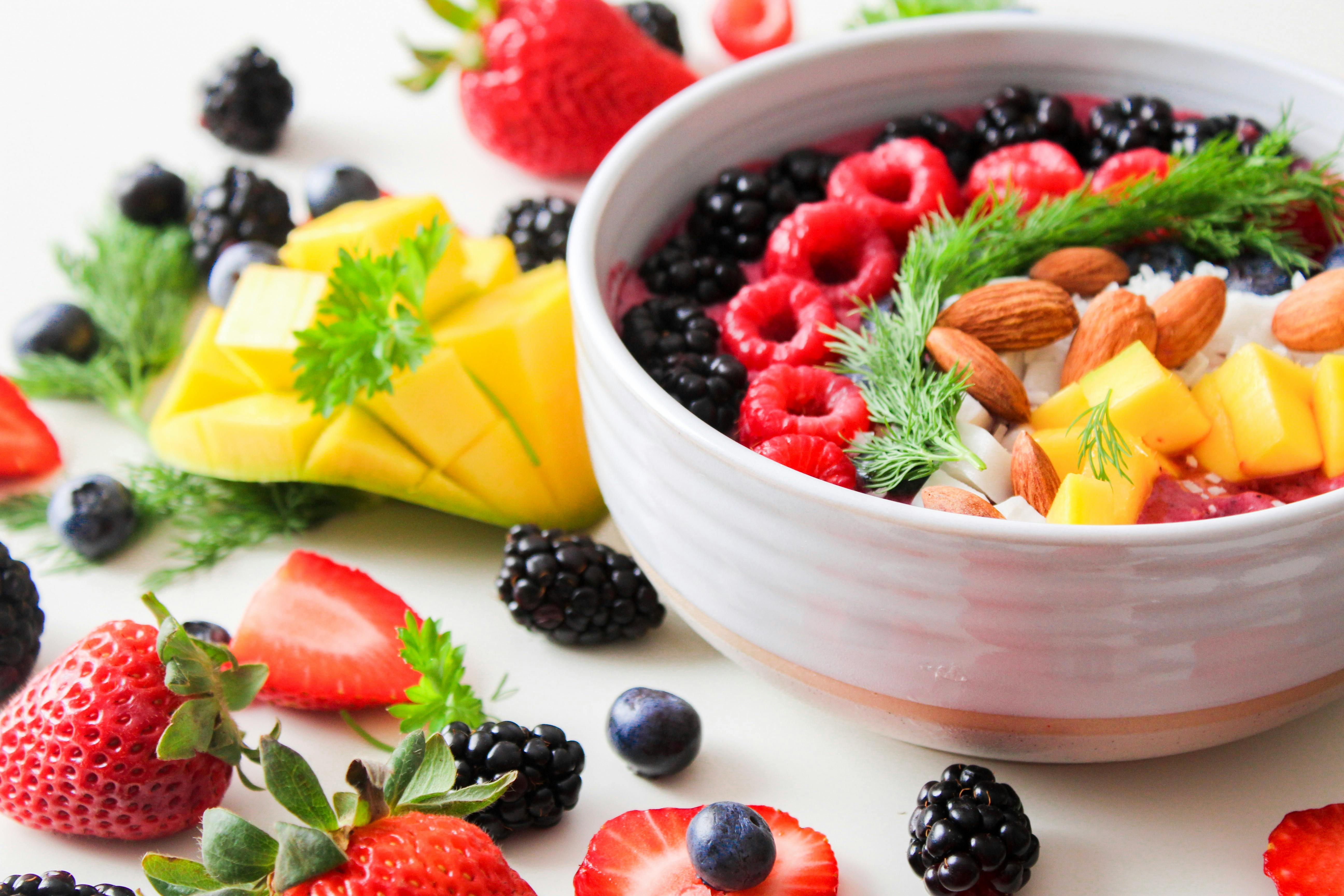
MIND Diet is a Promising Approach to Mitigate Cognitive Decline
As the global population ages, concerns about cognitive decline and dementia are becoming increasingly pressing. Recent research has spotlighted the MIND diet—a hybrid of the Mediterranean and DASH diets—as a promising approach to mitigate cognitive decline. This article mainly introduces a study has found that adherence to the MIND diet is particularly beneficial for women and Black individuals, highlighting both the diet’s potential and the need for tailored health recommendations.Understanding the MIND DietThe MIND diet, which stands for Mediterranean-DASH Intervention for Neurodegenerative Delay, is designed to enhance brain health. It emphasizes the consumption of whole foods while minimizing processed foods. Key components include:1.Leafy Greens: Spinach, kale, and other greens are rich in nutrients that support brain health.2.Berries: Blueberries and strawberries are particularly noted for their antioxidant properties.3.Nuts: A healthy source of fats and proteins, nuts contribute to cognitive function.4.Whole Grains: Foods like oatmeal and brown rice provide essential fiber and nutrients.5.Fish: Fatty fish rich in omega-3 fatty acids are known for their protective effects on the brain.The MIND diet also advises limiting red meats, sweets, and fried foods, which are linked to cognitive decline.Key Findings of the StudyThe recent study, published in a leading journal, analyzed data from a diverse cohort, focusing on dietary patterns and cognitive health. Researchers found that adherence to the MIND diet was associated with a slower rate of cognitive decline, particularly among women and Black people.WomenThe study revealed that women who followed the MIND diet showed significantly better cognitive performance as they aged. This finding is particularly relevant given that women typically have a higher risk of developing Alzheimer's disease and other forms of dementia. Researchers suggest that the protective effects of the MIND diet may stem from its emphasis on nutrient-rich foods that combat inflammation and oxidative stress—key factors in cognitive decline.

Why Polarized Sunglasses are Essential for Every Driver!
Polarized lenses are indispensable for driving, as they effectively eliminate glare and scattered light from reflective surfaces such as car windows and wet roads. By reducing these distractions, polarized sunglasses ensure clearer vision, especially in bright sunlight, thus minimizing the risk of accidents on the road. Additionally, polarized lenses are beneficial for individuals with myopia, as they provide enhanced visual comfort and clarity, allowing for a safer and more enjoyable driving experience for all.But beyond driving, there's a myriad of sunglasses types to consider, each with its own unique features and suitability for various occasions.Lens Material:The lens material of sunglasses is directly related to the visual experience and service life. Common lens materials currently on the market include glass, resin and PC (polycarbonate). Glass lenses have the advantages of high definition and strong wear resistance, but they are heavy and fragile; resin lenses are lightweight and not easily broken, but have relatively poor wear resistance; PC lenses are both lightweight and wear-resistant, making them ideal for sports The first choice for sunglasses.

How Can Tea Help You Cope With Crisis
In the fast-paced life, we often face and confront with all kinds of pressure and challenges, what’s worse, the crisis comes all of a sudden, making us have no idea to deal with. At this time, if you can drink a warm tea, you may be peaceful, powerful and calm beyond your imagination and perception. And so, how can drinking tea help us cope with the crisis on earth?Relieves mood and anxietyThe tea is rich in ingredients, such as tea polyphenols, caffeine and son on, which can excite brain nerves in order to make you sober and fresh. In the meantime, L-theanine in the tea can escalate the production of GABA in our brains which is a kind of neurotransmitter good for tranquilizing and allaying excitement. Therefore, when we feel uneasy or nervous, why not try drinking a cup of tea, it may help us relax our anxiety and reduce the tension.Improves concentration and enhances decision-making abilityThe theine in the tea can help us escalate our attention and alertness, consider problems more clearly and limpidly. Besides, catechuic acid in the tea can improve the blood circulation in the brains, promote oxygen supply to your brains in order to strengthen our memory and cognitive abilities. When facing crisis, keep high degree of concentration and clear thinking can be helpful for us to make decision more wisely.Promotes social relations and gains supportDrinking tea is not just a personal enjoyment, instead, it’s a social activities. Savoring and enjoying the tea with our intimate relatives and friends can help us establish and build deeper and further relationships and gain more social supports. When we face difficulties, we can be moved and motivated by others’ care and encouragements.Escalates physical health and enhances the ability to resist pressureThere are an abundance of vitamins, minerals, and antioxidants in tea leaves, which can enhance our immunity and improve our capability of ant-diseases. A healthy and fit body plays a fundamental and basic role in facing all kinds of challenges. Besides, tea polyphenols in tea is antioxidative, which can remove the radicals in your body and delay senescence in order to protect our cardiovascular health.

Studies Indicate Nearly Two-thirds of Baby Food Tested Fail to Meet Basic Health Standards
In recent years, there has been growing concern over the nutritional quality of baby foods available in supermarkets. A significant number of studies have revealed that nearly two-thirds of these products are unhealthy, raising serious questions about the health and well-being of infants and toddlers. This article delves into the reasons behind this alarming statistic and examines the ingredients that make these baby foods unhealthy.The Problem with Supermarket Baby FoodsThe primary issue with supermarket baby foods is their nutritional composition. Many of these products are high in sugar, salt, and unhealthy fats, while being low in essential nutrients such as vitamins, minerals, and fiber. This imbalance can have detrimental effects on a child's developing body and brain, potentially leading to long-term health issues.High Sugar ContentOne of the most concerning aspects of supermarket baby foods is their high sugar content. Many products contain added sugars, which are not only unnecessary for infants but can also contribute to obesity, dental decay, and other health problems. According to a study by the World Health Organization (WHO), infants should consume no more than 5% of their daily calories from free sugars, yet many baby foods exceed this limit. The sugar content in these products often comes from sources such as fruit concentrates, syrups, and even hidden sugars in flavored yogurts and cereals. While natural sugars from fruits are generally acceptable, the added sugars in these products can lead to a preference for sweet foods later in life, making it harder for children to develop healthy eating habits.Excessive SaltAnother major issue with supermarket baby foods is their high salt content. Infants have a much lower tolerance for salt than adults, and excessive salt intake can lead to high blood pressure, kidney damage, and other health problems. The American Academy of Pediatrics (AAP) recommends that infants consume no more than 1 gram of salt per day, but many baby foods contain significantly more. Salt is often added to baby foods to enhance flavor, but this practice can have serious consequences. In addition to the health risks associated with high salt intake, it can also mask the natural flavors of the ingredients, making it harder for children to develop a taste for healthy, whole foods.Unhealthy FatsMany supermarket baby foods also contain unhealthy fats, such as trans fats and saturated fats. These fats can increase the risk of heart disease, obesity, and other health problems. While some fat is essential for a child's growth and development, the type of fat is crucial. Healthy fats, such as those found in avocados, nuts, and olive oil, are important for brain development and overall health. Unfortunately, many baby foods contain unhealthy fats from sources such as palm oil, hydrogenated oils, and animal fats. These fats can contribute to inflammation, insulin resistance, and other metabolic issues, making it essential to choose baby foods that are low in unhealthy fats and high in healthy fats.Lack of Essential NutrientsIn addition to the high sugar, salt, and unhealthy fat content, many supermarket baby foods are also lacking in essential nutrients. These products often contain low levels of vitamins, minerals, and fiber, which are crucial for a child's growth and development. For example, many baby cereals are fortified with iron, but they may be low in other essential nutrients such as calcium, vitamin D, and omega-3 fatty acids. The lack of essential nutrients in these products can lead to deficiencies that may affect a child's physical and cognitive development. It is important for parents to choose baby foods that are rich in a variety of nutrients to ensure that their child is getting the necessary building blocks for a healthy life.