


Decorating the Bathroom: Things to Consider
When it comes to decorating your home, the bathroom is often the most overlooked yet vital space. When it comes to decorating your home, the bathroom is often the most overlooked yet vital space. Therefore, when decorating the bathroom, we must pay attention to some key details to ensure that the bathroom is both beautiful and practical.
1.Waterproof and non-slip
As a frequent contact with water space, waterproof and non-slip is the bathroom’s primary consideration. When selecting ground materials, priority should be given to tiles or stones with good waterproof performance, and ensure that the ground is laid smoothly to avoid water accumulation. In addition, the walls of the bathroom should also choose materials with good waterproof performance, such as ceramic tiles or waterproof paint, to protect the walls from moisture. In terms of anti-slip, anti-slip MATS can be placed in the shower area to reduce the risk of falling due to wet ground. At the same time, the floor design of the bathroom should also avoid excessive steps and gradients to ensure safe walking.
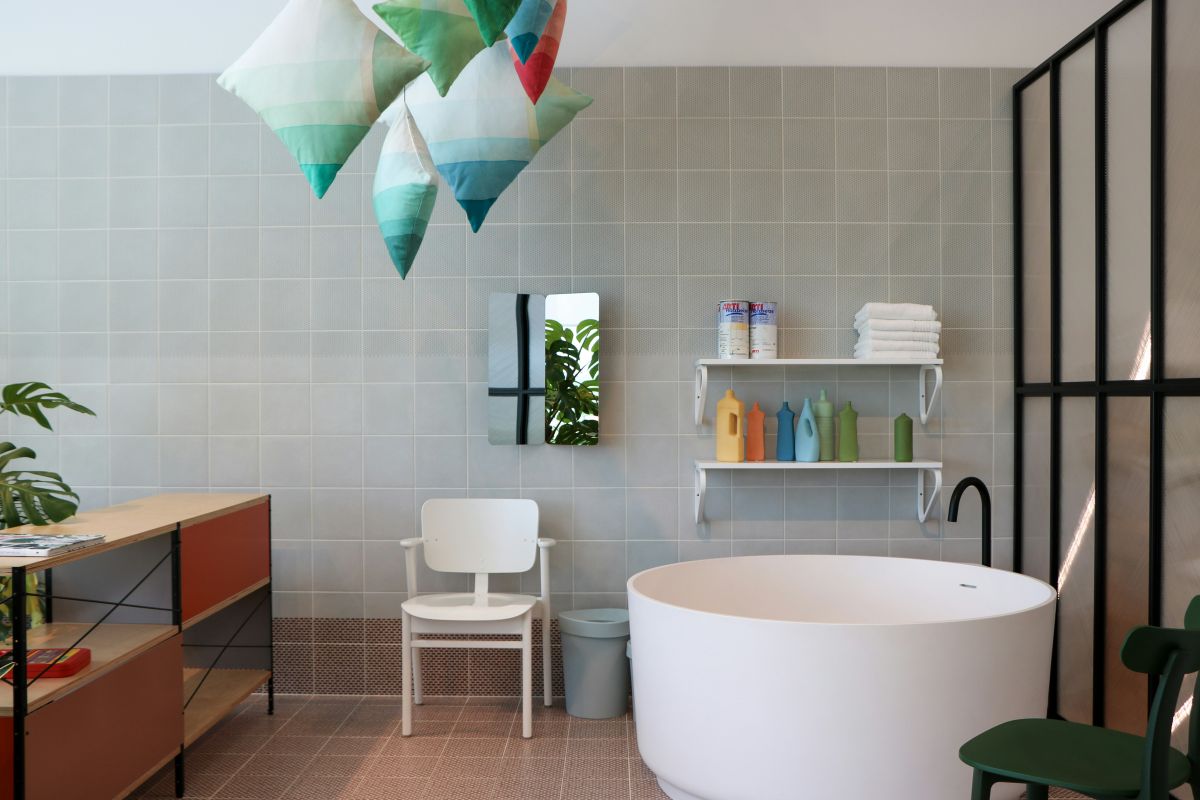
2.Lighting and ventilation
Lighting and ventilation are important details in the bathroom. Proper lighting can make the bathroom brighter and more spacious, while also helping to lift the mood of the occupants. When choosing lamps, you can consider installing soft LED strips or downlights to provide even, comfortable lighting for the bathroom. In terms of ventilation, the bathroom should be equipped with exhaust fans or fresh air systems to ensure air circulation and reduce moisture and odor. In addition, regular window ventilation is also an effective way of ventilation, helping to keep the bathroom dry and fresh.
3.Storage and placement
There are many items in the bathroom, including toiletries, cleaning supplies, etc. Therefore, reasonable storage and placement space is an indispensable part of the bathroom design. When choosing a bathroom cabinet, consider installing cabinets with multiple layers of storage space to make the most of the space. At the same time, you can also install hooks and shelves on the wall to facilitate the placement of towels, bath towels and other items.
4.Color and material
The choice of color and material has a crucial impact on the overall style of the bathroom. In terms of color, you can choose the right color according to personal preferences and home style. Generally speaking, light tones can make the bathroom fresher and more comfortable, while deep tones can create a stable and luxurious atmosphere. In terms of material, materials that are waterproof and easy to clean should be selected, such as tiles, stone, glass, etc. These materials not only have good water resistance, but also are easy to clean and maintain. At the same time, you can also consider using materials with anti-slip functions, such as non-slip floor tiles, non-slip MATS, etc., to ensure the safety of the bathroom.
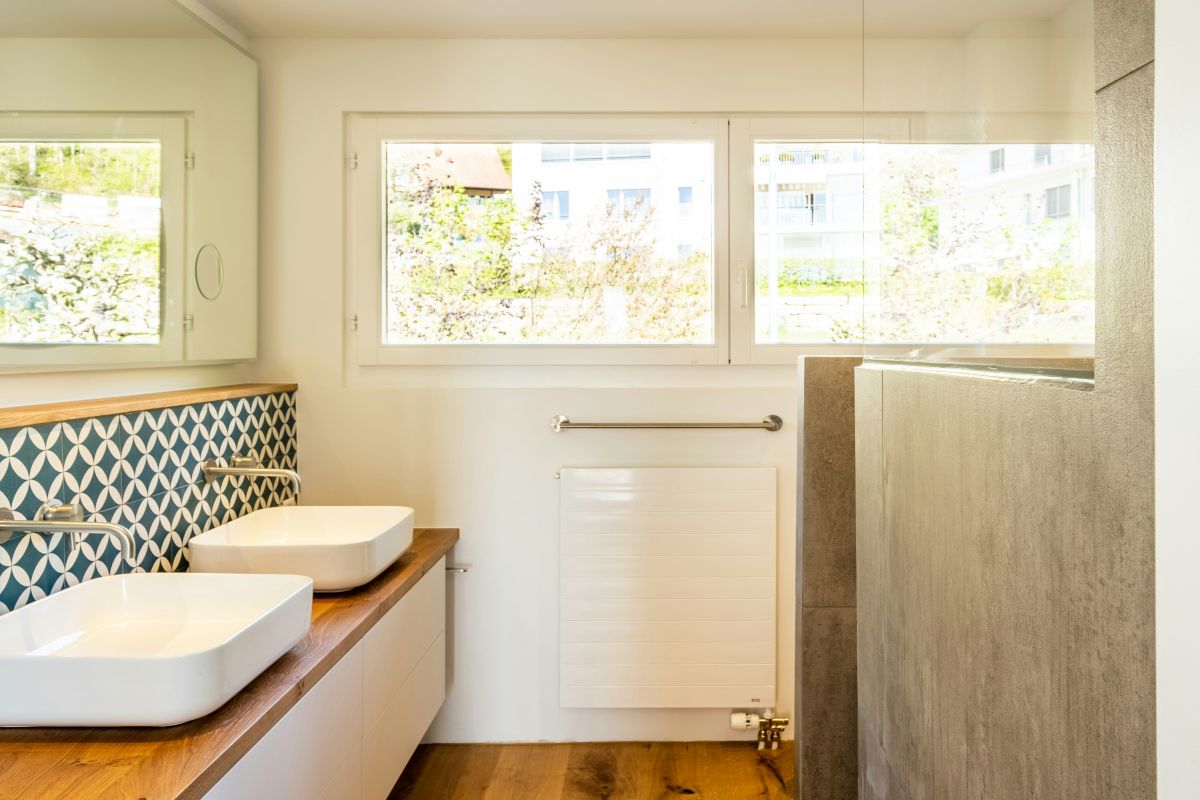
5. Individualization and comfort
Individualization and comfort are also factors to consider when decorating a bathroom. You can choose the appropriate decorative elements and furniture according to your preferences and needs, such as decorative paintings, vases, aromatherapy, etc., to make the bathroom more personalized and warmer. At the same time, comfort is also very important. When choosing bathroom furniture, attention should be paid to its comfort and practicality. For example, you can choose a bathtub with the massage function, a comfortable shower head, etc., to make the bathing process more pleasant and relaxing.
In short, when decorating the bathroom, we need to pay attention to the details of waterproof and non-slip, lighting and ventilation, storage and placement, color and material, as well as personalization and comfort. Through careful design and careful consideration, we can create a bathroom space that is both beautiful and practical, bringing a more comfortable and pleasant living experience for the occupants.
Instructions to Buying Yoga Clothes
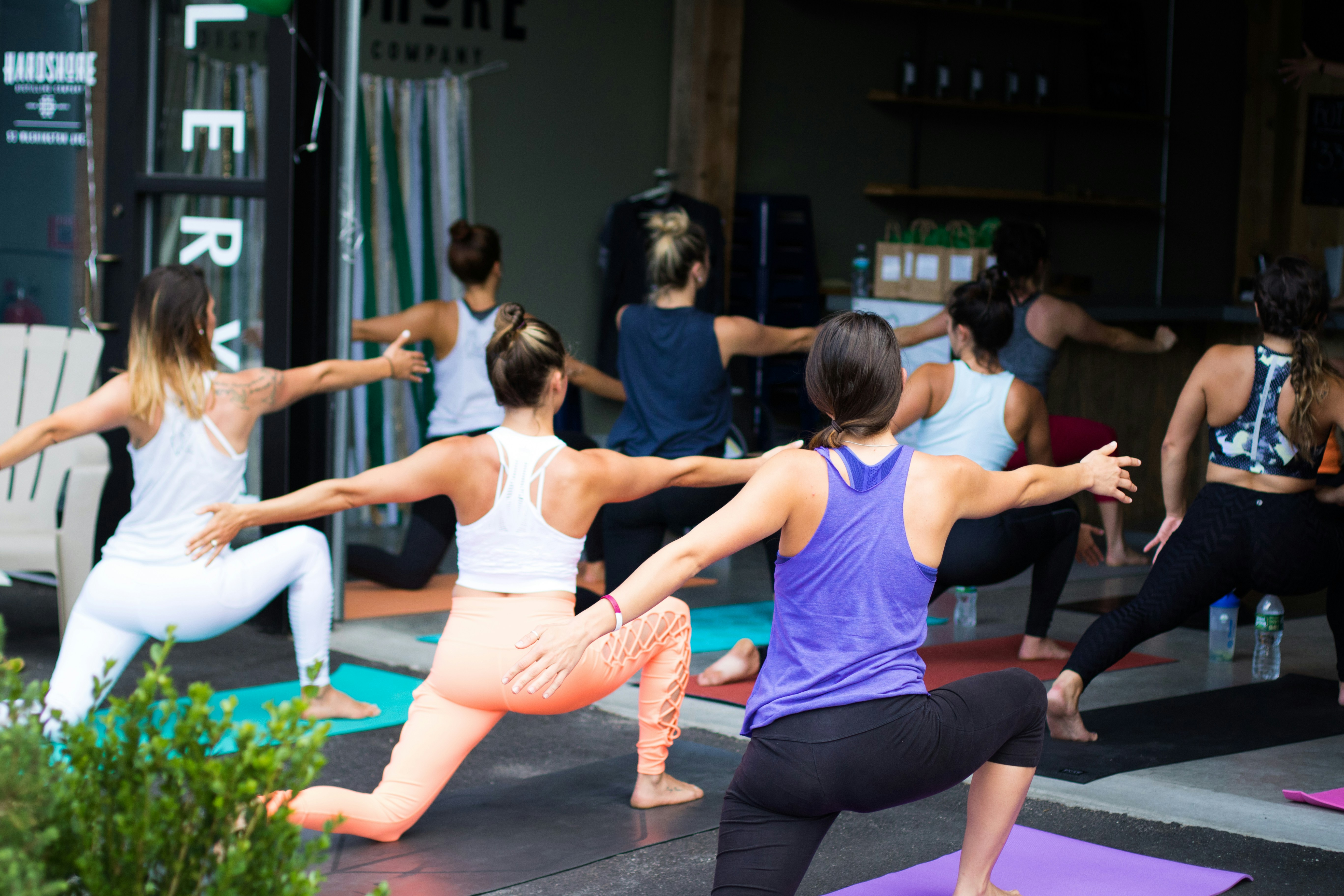
While rehearsing yoga, a bunch of agreeable and fit yoga garments is fundamental. This article will furnish you with a definite manual for purchasing yoga garments, so you can make it simpler to purchase yoga garments.1.Material selectionThe material of yoga clothing has a crucial and significant impact on its air permeability, comfort and durability. Generally speaking, the main materials of yoga clothing are pure cotton, polyester, modal and so on. Pure cotton yoga clothes have good humidity inhalation, but are easy to wrinkle; Polyester yoga clothing has good wear resistance, but poor air permeability; Modal material yoga clothing is both hygroscopic and breathable, comfortable to wear, suitable for yoga this high-intensity, high-humidity exercise.2.Fit degree and elasticityWhen choosing yoga clothing, fit and elasticity are also very important and essential factors. The right fit allows you to be more cozyand easeful in the movement, and enough elasticity allows you to stretch without bondage. Therefore, it is recommended to choose yoga clothes with high fit and good elasticity, so that you can not only better show your movements, but also improve and enhance your practice effect.3.Length and leg designThe length and leg design of yoga clothing also have a great impact on its overall effect. In general, the length of yoga clothes should be just above the navel, so that you can better show the proportion of your figure. Pant leg design should be selected according to the individual leg type, straight or loose design can make you more comfortable in the movement, and tight design can better show your muscle line.

A Guide to Choosing the Right Camping Gear
Camping is an exhilarating outdoor activity that allows individuals to reconnect with nature and escape the hustle and bustle of eve.However, selecting the right camping gear is crucial to ensuring a comfortable and enjoyable experience in the great outdoors. In this guide, we will explore the essential factors to consider when choosing camping gear, providing valuable insights to help readers make informed decisions and gear up for their next adventure.Functionality and Versatility: The Backbone of Camping GearWhen selecting camping gear, it is essential to prioritize functionality and versatility. Look for multi-purpose equipment that can serve various needs, such as a multi-tool with a knife, screwdriver, and can opener, or a versatile tent that can adapt to different weather conditions. Versatile gear not only saves space and weight but also enhances the overall camping experience by catering to diverse situations.Durability and Quality: Invest in Long-lasting GearInvesting in durable and high-quality camping gear is critical for a successful outdoor experience. Look for gear made from robust materials, reinforced seams, and sturdy construction to withstand the rigors of outdoor use. Quality gear not only ensures longevity but also provides peace of mind in challenging environments, allowing campers to focus on their adventures without worrying about gear malfunctions.Comfort and Ergonomics: Prioritize Personal Well-beingComfort plays a crucial role in determining the overall camping experience. When choosing camping gear, prioritize items that prioritize personal well-being, such as a comfortable sleeping pad, ergonomic backpack, or supportive hiking boots. Additionally, consider factors like adjustable straps, breathable fabrics, and padded support to enhance comfort during extended outdoor excursions.Portability and Weight: Pack Light, Pack RightEfficiently packing and transporting camping gear is essential for maximizing mobility and convenience. Opt for lightweight and compact gear that minimizes bulk and weight without compromising functionality. Additionally, consider collapsible or foldable options, such as portable cookware and compact chairs, to optimize space and ease of transport.

Strategies to Effectively Manage and Win the Battle with Kids Over Phone Use
In today's digital age, navigating children's phone use has become a significant challenge for parents. With the allure of games, social media, and endless entertainment at their fingertips, kids often find it hard to disconnect. This can lead to conflicts and concerns about screen time, mental health, and social skills. However, parents can effectively manage and win this battle by implementing thoughtful strategies that promote balance and understanding. Here's how to approach the issue of phone use with your kids.Establish Clear GuidelinesThe first step in managing phone use is to set clear, reasonable guidelines. Sit down with your children and discuss the importance of limits. Create a family phone-use contract that outlines allowed times for phone use, such as during homework or family meals. This collaborative approach gives kids a sense of ownership and encourages them to adhere to the agreed-upon rules. Ensure that the guidelines are age-appropriate and flexible enough to adapt as they grow.Lead by ExampleChildren often mimic their parents' behavior, so it's crucial to model healthy phone use yourself. If you expect your kids to limit screen time, show them how you manage your own device habits. Set aside time during family activities where everyone puts their phones away—this not only strengthens family bonds but also reinforces the idea that meaningful connections occur without screens. Your actions will speak louder than words, encouraging them to follow suit.Promote Alternative ActivitiesCombat the allure of screens by promoting engaging alternatives. Encourage your kids to participate in outdoor activities, sports, arts and crafts, or reading. Find hobbies that interest them and provide opportunities for social interaction. When children have fulfilling activities to occupy their time, they are less likely to rely on their phones for entertainment. Make it a family affair by joining them in these activities, which can enhance your relationship and create lasting memories.Educate About Digital LiteracyTeaching children about digital literacy can empower them to make informed choices regarding their phone use. Discuss the potential risks associated with excessive screen time, such as its impact on mental health, sleep, and social skills. Use real-life examples to illustrate the importance of moderation. By understanding the implications of their digital interactions, children are more likely to take responsibility for their habits.Use Technology to Your AdvantageIronically, technology can be a valuable ally in managing phone use. Utilize apps and built-in features on devices that track and limit screen time. Many smartphones offer parental controls that allow you to set limits on app usage or establish “downtime” periods when devices are inaccessible. This can serve as a helpful tool in reinforcing the guidelines you've set, making it easier for your kids to comply with established rules.Foster Open CommunicationCreating a culture of open communication is essential. Encourage your children to share their thoughts and feelings about phone use. Ask questions about what they enjoy doing on their devices and why they feel the need to use them so often. By understanding their perspective, you can address their motivations and concerns more effectively. This dialogue can lead to compromises and solutions that work for both parties.
Container Homes: A Modern Housing Revolution
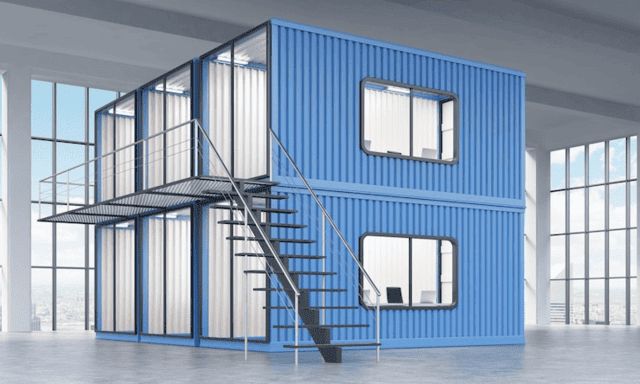
There are smart homes and then there are shipping containers that have been converted into homes, and this installation brings both of these concepts into one sexy green package. But as with any housing option, they present their own host of issues and challenges.Advantages1.Eco-friendlinessThese out-of-the-box abodes use retired shipping containers, sparing the need for conventional building materials such as bricks and wood which would otherwise be used to build homes, and thus having a positive effect on the environment. And because containers are modular, you can create some very fun and space-saving designs, all made to your specifications.2.Cost-effectivenessContainer homes tend to cost you less financially than traditional houses, and that's very much due to the cost of materials. The steel construction of shipping containers is strong and able to hold up to harsh weather and these structures require less maintenance over the years. What’s more, construction is often speedier due to the fact that the basic framework is there already, containers just need modifying and stacking on top of each other.3.Mobility and FlexibilityThese homes will appeal to anyone looking for a minimalist or nomadic lifestyle, but will also be suitable to become remodeled to be portable so the owner can move, but not have to leave their dwelling. This is especially attractive to Digital Nomads, Adventurers, and people needing temporary housing.Things to Consider Before Building a Container Home1.Local Codes and PermitsContainer homes are not code in every place. In some jurisdictions limitations on building or lot size, zoned uses, and changes to structure or insulation are also permitted. Before breaking ground, it’s also important to check with local authorities for any necessary permits.2.Insulation and Temperature RegulationSteel is also a good conductor, so in the summer your containers could easily overheat and in the winter they can feel like freezers. For comfort and energy efficiency, it is crucial that your garage is properly insulated. There are also options to use spray foam, panel insulation, or even eco-friendly materials like sheep’s wool.3.Structural ModificationsIt is necessary to cut the doors and windows when cut into the door and window or more than three products are combined with welding and strengthening to keep the good energy saving effect and the overall firmness of the product. Better not call these professionals. the life of the home may be in danger.4.Space LimitationsNormal freight containers are quite narrow, usually only 8 feet wide. Space can be well-utilized with creative designs, although the compact layout may feel too confining for some accustomed to larger homes. Multi-container setups or vertical scaling can be used to overcome this challenge.5.Rust and CorrosionBecause containers are typically for maritime use, if exposed to moisture for extended periods of time, they can develop rust. Even the latest protective coatings must be applied to ensure protection from deterioration.6.Short Supply of Grade ContainersThere are so many used containers that are not in good conditions. Some may have been exposed to chemicals or excessive use during shipment. Container condition and potential hazardous substances inspection is paramount and should be done prior to acquisition.The FutureAs sustainable living becomes more popular, container homes continue to be popular. Advanced modular design, energy-saving retrofitting, and smart home technology will make prefabs even more attractive. Authorities and urban planners may also mimic container architecture in affordable housing such as solving the world housing shortage.ConclusionContainer homes are a great alternative to traditional living spaces and have provided homes to thousands of people looking to own their own little slice of life. But, they take some careful planning to deal with issues like insulation and structural changes and regulations. Where others find these macabre, the option to live a self-sufficient and off-the-grid mountain dream is worth considering. These homes may become a very viable option for those concerned about the environment, and those who are budget-conscious, as technology and design continue to improve.

Effective Ways to Relieve Joint Pain
Joint pain, which affects millions of people worldwide, is commonly linked with arthritis, injury, overuse and other causes. While persistent or severe pain should always be evaluated by a health care provider, there are many helpful steps you can take to prevent effectively and relieve pain around you joints.1.Regular Exercise and Physical ActivityRegular physical activity is one of the best weapons against joint pain. Though that may seem counterintuitive — who wants to move painful joints? — movement is what builds strength in the muscles surrounding the joints, giving stability and reducing the strain. Low-impact exercise to producing flexibility and stimulating circulation, like swimming, cycling and walking, is particularly effective, in that it doesn’t put strain on the joints. Yoga and stretching routines might also help improve range of motion and reduce stiffness. For people who have chronic joint pain, seeing a physical therapist is strongly recommended so that an individualized exercise plan can be developed. That regular, moderate abstraction of activity will make a difference in keeping joint serious pain from dog titling over time.2.Maintain a Healthy WeightCarrying excess weight also puts significant stress on the weight-bearing joints in the body, including the knees, hips and ankles. At even modest levels, weight loss can substantially relieve joint pain and slow the progression of diseases like osteoarthritis. A healthful, antiinflammatory-rich diet bolstered by leafy greens, berries, nuts and fatty fish can assist with weight management and help suppress inflammation. Limiting processed foods, sugars, and alcohol is just as crucial. You can be free from joint pain and improve overall health and reduce the risk of other chronic conditions by maintaining a healthy weight.3.Heat and Cold TherapyThis therapy with heat and cold joints, as well as helpful, simple, affordable and efficient. Using a warm compress, heating pad, or warm bath can help relax muscles, increase blood flow and ease stiffness, which research has shown is best for chronic pain or morning stiffness. Cold therapy, like an ice pack or cold gel wrap, is numb the area, reduce swelling and can relieve acute pain or inflammation from overuse or injury. For others, alternating between heat and cold works particularly well. When applying heat or cold directly, always apply a barrier, such as a towel, to protect your skin.4.Mind-Body TechniquesChronic joint pain can be a serious drain on one’s mental health, and stress, in turn, can make physical pain worse. Mind-body techniques such as meditation, deep breathing exercises, and tai chi can benefit stress reduction, emotional well-being, and even pain control. These practices promote relaxation, mindfulness and a greater sense of mind-body control — all things that can empower those suffering from chronic pain. Tai chi also integrates gentle motion with mindfulness, which can help increase joint flexibility and minimize pain.5.Good Posture and Use of JointsBad posture and repetitive use may intensify joint pains with the time. Even awareness of your posture — sitting, standing or walking — can help share your weight more evenly, relieving stress on your joints. Ergonomic tweaks, like supportive chairs or cushioned mats, can also help a lot. Assistive devices (e.g, braces, splints, or canes) can also help people with arthritis or other ongoing chronic conditions by providing extra support and alleviating pressure on affected joints.In conclusion, joint pain can be a very difficult condition to cope with, as much mentally as it is physically— so you should not let the symptoms run your life. Manage and relieve your pain with you regular exercise, maintain a healthy weight, use heat and cold therapy, try mind-body techniques and protect your joints. Again, please keep in mind you must check in with a healthcare professional to tweak these approaches to fit your particular situation. But with the proper technique, you can effect preventative measures toward a more active, pain-free you.