


How to Skillfully Arrange Soft Furniture in a Limited Space
In modern life, especially in cities, space is often a precious resource.
For many families, how to skillfully arrange soft furniture in a limited space is an important challenge. This article will discuss how to maximize the use of space through reasonable design and layout.
First of all, the proper planning and layout of the room is crucial. Before placing soft furniture, it is necessary to clarify the function and needs of the room. For example, if the room is mainly used for rest and relaxation, it may need some comfortable sofas, chairs and beds; If the room is mainly used for work and study, it may need some practical desks, chairs and bookshelves.
2.Choose the right size
In a limited space, choosing the right furniture size is key. Oversized furniture can take up too much space and make people feel depressed; And too small furniture will appear incongruous, affecting the overall beauty. Therefore, it is necessary to choose the right furniture size according to the size and shape of the room. At the same time, you can also choose some multi-functional, adjustable furniture, such as foldable, movable sofas and beds, as well as detachable, assemblable wardrobes and shelves.
3.The use of space height
When placing soft furniture, you can use the height of the space to maximize the use of space. For example, the bed frame can be designed with a storage function, and the bed can be used to store clothes, books and other items; Or design the height of the sofa slightly higher than the general level, and set up lockers or drawers under the sofa to store items such as clutter or books.
4. Keep the space transparent
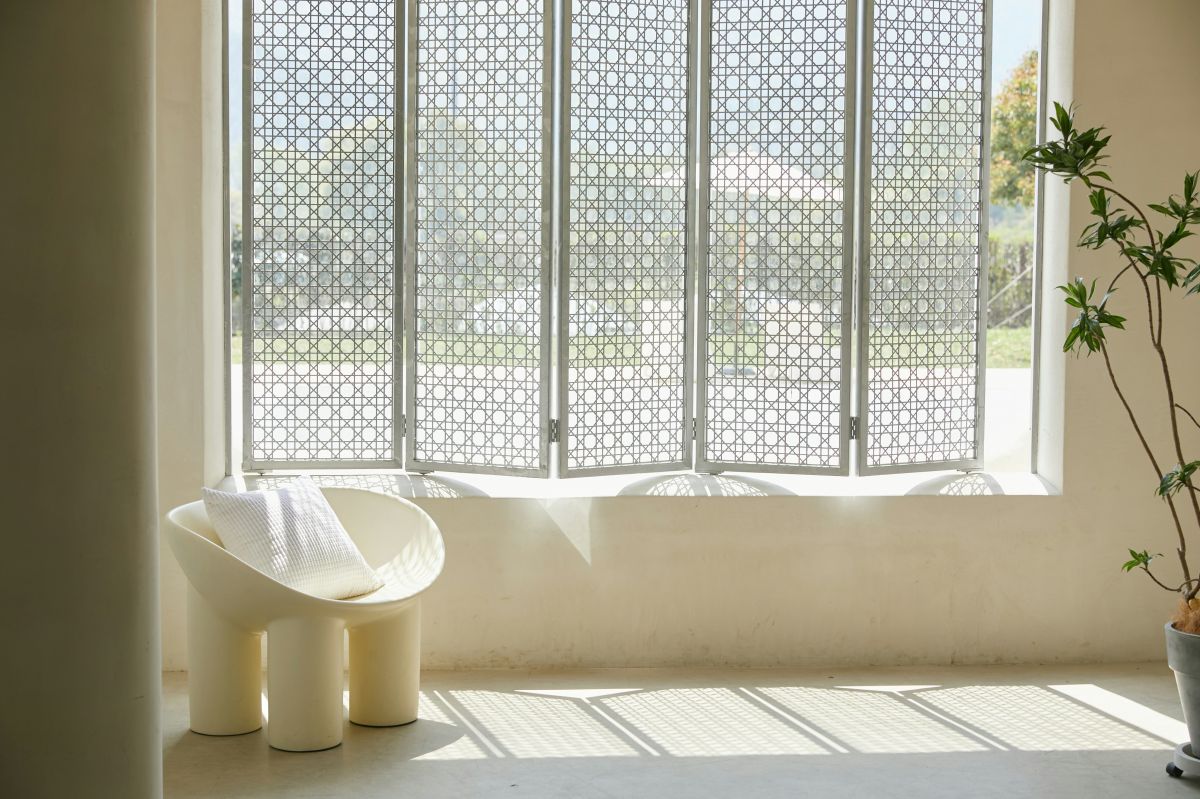
When placing soft furniture, it is necessary to maintain the permeability of the space and avoid the feeling of repression and cramped. Therefore, the placement and direction of the furniture need to be reasonably planned to avoid blocking the passage and Windows, and to maintain the smooth and open sense of the space. At the same time, you can also enhance the sense of space by choosing transparent or light-colored furniture.
5. Consider ergonomics
Placing soft furniture in a limited space also needs to consider ergonomic factors. The placement and Angle of the furniture need to meet the comfort of the human body, such as the sofa and bed need to meet the curve of the human body to provide adequate support; The height of desks and chairs needs to match the height of people, etc. At the same time, it is also necessary to take into account the different needs of family members, such as the special needs of the elderly, children and disabled people.
6. Flexibly adjust the layout
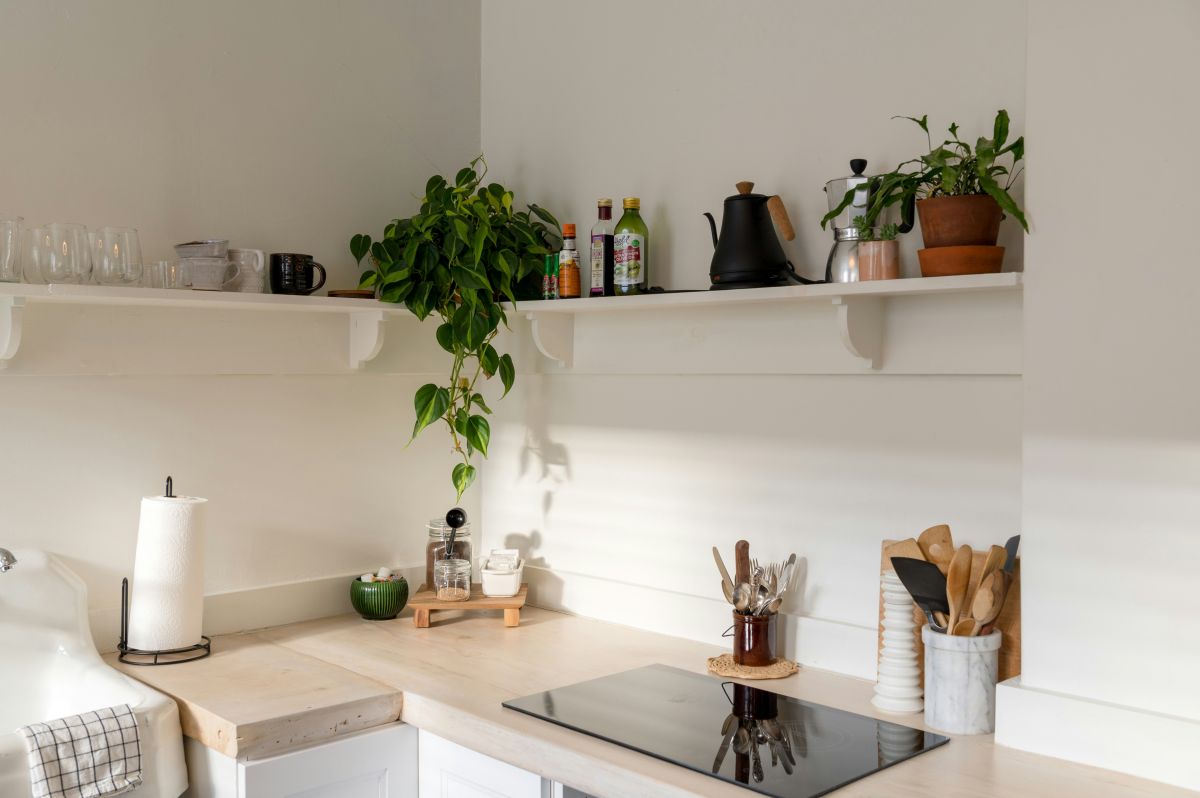
Placing soft furniture in a limited space also needs to take into account changes in family members and changes in needs. Therefore, it is necessary to choose some flexible layout methods, such as movable furniture, removable components and so on. At the same time, the layout and collocation of furniture can also be adjusted according to different needs such as seasons and festivals.
To sum up, how to skillfully place soft furniture in a limited space needs to consider a number of factors. Through reasonable planning and layout, choosing the right size, using the height of the space, keeping the space transparent, considering ergonomics and flexibly adjusting the layout, you can maximize the use of space, so that soft furniture in the limited space to play the maximum value. At the same time, it can also improve the comfort and happiness of living, so that life is better.

Five Surprisingly Affordable Yet Unique Vacation Ideas
Dreaming of an unforgettable escape, but concerned about getting away without breaking the bank? You don't have to go with a luxury budget to go someplace extraordinary. Leave it to us to round up some out-of-the ordinary vacation destinations that won't break the bank. Below, five out there and surprising vacation ideas that will give you marvelous memories but won't completely shock your bank account.1.Stay in a Tiny House or Off-Grid CabinSo if you've ever dreamed of tuning out the noise of daily life, one of the best escapes might be renting a tiny house, a small cabin or an off-grid dwelling. Both Airbnb and Hipcamp have charming, budget-friendly options in secluded forests, near lakes and even the desert. A number of these rentals are outfitted with solar power, composting toilets and outdoor showers, for a rustic but refreshing experience. Picture waking up to a chorus of birdsong, hiking secluded trails and stargazing by the fire, for just a fraction of the price of a typical resort stay.2.Discover an Off-the-Grid European CitySkip the overrated expense of Paris or Rome and go somewhere like Český Krumlov in the Czech Republic, Kotor in Montenegro, or Ronda in Spain. They all boast beautiful medieval buildings, rich history and stunning scenery at a fraction of the cost of better-known tourist destinations. You can eat the local cuisine in an authentic café, roam cobblestone streets without the tourists, and you might even be able to afford a boutique hotel. They are all inexpensive to get to and from on budget public transport, so if you are into slow travel, you might want to check them out.3.Volunteer Abroad for Room and BoardBudget travelers interested in immersing themselves in the local culture might sign up for a volunteer program, such as Workaway, WWOOF (World Wide Opportunities on Organic Farms) and HelpX, which provide free room and board in return for a few hours of work a day. You might end up teaching English in Thailand, working on a vineyard in Italy or volunteering at an eco-lodge in Costa Rica. This not only slashes travel costs, but also allows for authentic connections and an experience that's different to typical tourists.4.Go On a Road Trip to National Parks or Secret BeachesDriving adventures are the cheapest way to see the great outdoors. In the United States, it's all about big, bold outdoor landscapes, and the entrance fees at national parks like Great Smoky Mountains, Big Bend and North Cascades are shockingly low. Or skip the busy sands and find serene coastal treasures such as the Samuel H. Boardman Scenic Corridor in Oregon or Florida's Cedar Key. You can pack a tent or rent an inexpensive camper van to save on lodging, spending your days hiking, swimming and immersing yourself in nature.5.Try an Affordable Digital Nomad HubIf you can work remotely, spend a few weeks in a cheap digital nomad hot sport like Da Nang (Vietnam), Medellín (Colombia), or Tbilisi (Georgia). They have co-working spaces and Wi-Fi for those who need to work and minimal cost of living, so you can experience a new culture without hemorrhaging your money. Many have lively expat communities, where it's easy to meet other travelers. You'll also have the joys of local markets, street food, and day trips that cost a fraction of the typical vacation.Whether you're sleeping under the stars in a tiny cabin, spending a night in an obscure European village or volunteering in exchange for a place to stay, these concepts prove that indelible memories for a good cause can be made without the high price tag of traditional travel. Adventure is around every corner, however, which means it's time to pack a bag, think outside the box and plan a trip that's as budget-friendly as it is unforgettable.

Fluoride in Water: Preventing Cavities or Posing Health Risks?
Fluoride, a mineral found naturally in water, soil, and various foods, has been a topic of debate for decades, particularly regarding its use in public water supplies. While many studies indicate that fluoride effectively reduces dental cavities, concerns about potential health risks have also emerged.The Benefits of FluorideFluoride possesses the capability to enhance the teeth enamel, which means there is no chance for decayed teeth to grow. After taking or applying fluoride, it will melt into your teeth, cross every crack of your teeth and finally become a part of your teeth. This process can prevent the corrosion from dental plaque bacteria and sugar in the mouth. Quite a few researches show that dental caries incidence is much lower in those who drink fluorinated water.US Center of Disease Control and Prevention reported that the study that fluoride in water can prevent cavities is one of the most successful public health achievement in the 20th century. And it also mentioned in its official website that fluoride can reduce the lifelong caries incidence among no matter children or adults almost 25%. Thereby, making full use of the fluoride in water is quite useful for the people who have limited chances to access medical and dental protection. In this case, this makes fluoride an important public health advance in the prevention of tooth decay.The Health Risks of FluorideAlthough fluoride is proved to be actually conducive to your teeth, its adjunction in public water arouses residents’ worries on its potential health risks. One of the most important problem is dental fluorosis which is a allochromatic symptom caused by touching excessive fluoride in childhood. Although fluoride teeth just affect your appearance and do no harm, severe fluoride teeth will make us painful and bitter.Except for dental fluorosis, more studies show the fluoride do have some potential relations with other health problems. High concentrations of fluorine brings adverse impacts to bone health and even make the opportunities of fracture rise. Besides, there are also some worries on thyroid function, for extra fluoride interferes synthesis of the thyroid hormone which plays a crucial role in the metabolism.Balancing Benefits and RisksHowever, these undisputed benefits of fluoride for cavity prevention must still be carefully weighed against legitimate risks when debating fluoride levels in drinking water. The yardstick of around 0.7 parts per million (ppm) has been speared for us by public health authorities such as the Centres for Disease Control and the American Dental Association, who said that this is a safe and effective treatment for the teeth.The emergence of fears about the dangers of fluoride has led to communities examining their positions on the chemical's presence. A few locations in the United States right now are debating whether or not to continue adding fluoride to their water supplies, echoing wider concerns in the public. More often than not, this move is because they are increasingly seeking a more natural water supply and have worries about mass medication of the population without individual consent.

5 of the Most Long-lasting Latex Paint Colors
In the decoration process, choosing the right latex paint color can add lasting beauty to the home.However, many people in the choice of latex paint color often only focus on the current trend, but ignore the durability of the color. This article will introduce you to the 5 most long-lasting latex paint colors.1.Neutral color systemNeutral color system is the most classic and durable color in home decoration, mainly including white, beige, gray and so on. These colors not only have high durability, but also can be easily matched with other colors to create a simple, warm atmosphere for the home. When choosing neutral color latex paint, it is recommended to choose soft tones, such as light beige, light gray, etc., which can better integrate with natural light and artificial lighting to make the home space more comfortable.2.Light blueLight blue latex paint is a fresh, natural color that can bring peace and relaxation to the home. At the same time, light blue is also a very durable color that will not fade easily even if used for a long time. When choosing a light blue latex paint, it is recommended to choose a moderate saturation tone to avoid the color is too harsh or too dim. In addition, the light blue latex paint can also be matched with neutral colors such as white and beige to create a more harmonious home atmosphere.3.Light greenLight green latex paint is a vigorous color that can bring a natural and fresh feeling to the home. At the same time, light green is also a very durable color that will not fade easily even if used for a long time. When choosing light green latex paint, it is recommended to choose a light, bright green color to avoid the color is too harsh or too dim. In addition, the light green latex paint can also be matched with neutral colors such as white and beige to create a more comfortable home atmosphere.

Women at Work: Gains in Leadership Roles, But Catching Up to Men Could Take Decades
In recent years, there has been a noticeable shift in the corporate landscape as more women ascend to leadership roles. However, despite these gains, a new report suggests that true gender parity in leadership positions may still be decades away. This article explores the progress women have made in the workplace, the challenges they continue to face, and the implications of these findings for future generations.The Progress MadeThe past decade has seen significant strides for women in the workplace. According to data from the World Economic Forum's "Global Gender Gap Report 2023," women now hold 31.4% of senior management positions globally, up from 24% in 2015. This increase is a testament to the growing recognition of the value women bring to leadership roles, as well as the efforts of organizations to promote gender diversity. In the United States, the percentage of women in senior management roles has risen to 42%, according to a report by Catalyst. Additionally, women now make up nearly 30% of board members at Fortune 500 companies, a significant improvement from the 16% recorded in 2010. These numbers indicate that companies are increasingly prioritizing gender diversity in their leadership teams.The Challenges RemainingDespite these encouraging trends, the road to gender parity in leadership roles remains long and fraught with challenges. One of the most significant obstacles is the persistent gender pay gap. According to the Institute for Women's Policy Research, women in the United States earn 82 cents for every dollar earned by men, a disparity that widens for women of color. This pay gap not only affects women's financial security but also their ability to advance in their careers.Another challenge is the "glass ceiling" phenomenon, where women hit an invisible barrier that prevents them from reaching the highest levels of leadership. This is often due to systemic biases and stereotypes that favor men in leadership roles. For example, women are frequently perceived as less competent or less committed to their careers than men, which can hinder their advancement.Moreover, the COVID-19 pandemic has disproportionately affected women in the workforce. Many women, particularly those in leadership roles, have had to juggle increased caregiving responsibilities while continuing to work, leading to burnout and career setbacks. This "she-cession" has exacerbated existing inequalities and set back progress in gender parity.The Timeframe for Catching UpThe new report, which combines data from various sources, estimates that it could take up to 132 years to achieve gender parity in leadership roles. This staggering figure highlights the magnitude of the challenges women face and underscores the need for sustained efforts to address these issues.The report identifies several key factors that contribute to this slow progress. First, the pipeline of women entering leadership roles is still not sufficient to match the number of men. While more women are entering the workforce, they are not always progressing to the highest levels of leadership. Second, the retention of women in leadership roles is a significant issue. Many women leave their jobs due to lack of support, work-life balance challenges, and the inability to advance.Implications for the FutureThe findings of this report have profound implications for the future of work and gender equality. If current trends continue, it could take generations for women to achieve true parity in leadership roles. This not only affects women but also has broader economic and social consequences.Gender diversity in leadership has been shown to improve organizational performance, innovation, and decision-making. Companies that fail to promote gender diversity may miss out on these benefits and risk falling behind their more inclusive competitors. Additionally, the lack of gender parity in leadership perpetuates systemic inequalities that affect all aspects of society, from education to healthcare to politics.Moving ForwardTo accelerate progress towards gender parity in leadership, several actions are necessary. First, companies must prioritize gender diversity in their hiring and promotion practices. This includes setting clear targets for the representation of women in leadership roles and holding leaders accountable for achieving these targets.Second, organizations need to create supportive environments that enable women to thrive in leadership roles. This includes providing flexible work arrangements, mentorship programs, and leadership development opportunities. Companies should also address the root causes of gender bias and discrimination through training and awareness initiatives.

Vegetables and Fruits Reduce Heart Disease Risk
Diet high in vegetables and fruits is advocated and loved by a lot of people because of its adequate benefits for health. One latest research emphasizes its key and important function in lowering heart diseases and kidney problems. This article introduces and talks deeply about the powerful nutrition of plant food and how they can promote the health of our hearts and kidneys.Protective Power of Vegetables and FruitsVegetables and fruits are not only the decoration and ornaments on our tables and plates, but also play a vital role in defending the omnipresent health problems in this time. These food, which is full of vitamins, minerals, antioxidants and fibers, coordinate what elements they have together to enhance our anti-disease capability.Vegetables, Fruits and Cardiovascular HealthCardiovascular health is still now the major cause to death all over the globe, but you can prominently lower this risk by eating diets high in vegetables and fruits. Because these food is low in saturated fat and cholestenone which is widely known for blocking artery and increasing blood pressure. On the contrary, they provide ample plant nutrients which is greatly helpful for reducing awful cholestenone level, relieving inflammation and improving endothelial function, which is super essential for heart health.Functions in Kidney HealthAlso, kidney disease is a scary epidemic brings much inconvenience and bad effects to millions of people silently. At this time, we can turn to a diet high in vegetables and fruits for help because it can slow the development of kidney disease and even efficiently prevent it from happening. Vegetables and fruits have great efficiency in controlling blood sugar and pressure, which are two core factors to kidney health. What’s more, they can keep the balance of electrolytic and reduce the burden of kidneys by speeding up removing wastes in a high efficiency.How to Eat More Vegetables and Fruits ScientificallyIncreasing the amount of vegetables and fruits in your diet doesn’t mean that you need to be a vegetarian or vegan-only people. Just simply change your diet food can make a big difference. Opt a bowl of fruits instead of a bag of potato chips; choose a plate of vegetable stir-fry instead of a meal full of meat. The main purpose and goal is to make your diet more colorful, because every kind of vegetables and fruits offers different nutritionNot Just Good For Heart and KidneyAlthough the focus and concentration here is talking about the benefits of vegetables and fruits have on heart and kidney, their beneficial performance is more fabulous than we think. They can improve digestion, balance your weight and lower the risk of some certain cancers as much as possible.