


The Art of Caring for Solid Wood Furniture
Proper care and maintenance are crucial to preserve its beauty and ensure its longevity. In this article, we will explore the art of caring for solid wood furniture, offering unique tips and insights to help readers keep their cherished pieces in pristine condition.
Understanding the Nature of Wood
Before delving into specific care techniques, it's essential to understand the nature of wood itself. Wood is a natural material that responds to its environment. It can expand and contract with changes in temperature and humidity, and it can be susceptible to scratches, stains, and fading if not properly cared for. With this understanding, we can approach the care of solid wood furniture with the respect it deserves.
Dust Regularly with Care
One of the simplest yet most important care practices for solid wood furniture is regular dusting. Use a soft, lint-free cloth or a microfiber duster to gently remove dust from the surface. Dust can accumulate and scratch the wood over time, so consistent cleaning is crucial.
Protect from Sunlight and Heat
Direct sunlight can cause wood to fade and lose its luster over time. To preserve the natural color and beauty of solid wood furniture, it's important to shield it from direct sunlight. Utilize curtains or blinds to minimize exposure, and consider rearranging furniture to reduce prolonged sun exposure.
Use Coasters and Protective Pads
To prevent water rings, scratches, and heat damage, always use coasters or protective pads when placing glasses, hot items, or other objects on solid wood surfaces. This simple practice can go a long way in preserving the integrity of the wood.
Immediate Cleanup
Accidents happen, and spills are inevitable. It's essential to clean up any spills or stains immediately to prevent them from seeping into the wood and causing damage. Use a dry or slightly damp cloth to blot and clean up any spills promptly.
Maintain Optimal Humidity Levels
Wood is sensitive to changes in humidity, which can cause it to expand or contract. Maintaining optimal humidity levels in your home can help prevent these fluctuations. Consider using a humidifier in dry environments and avoiding placing solid wood furniture in areas with extreme temperature changes.
Periodic Waxing
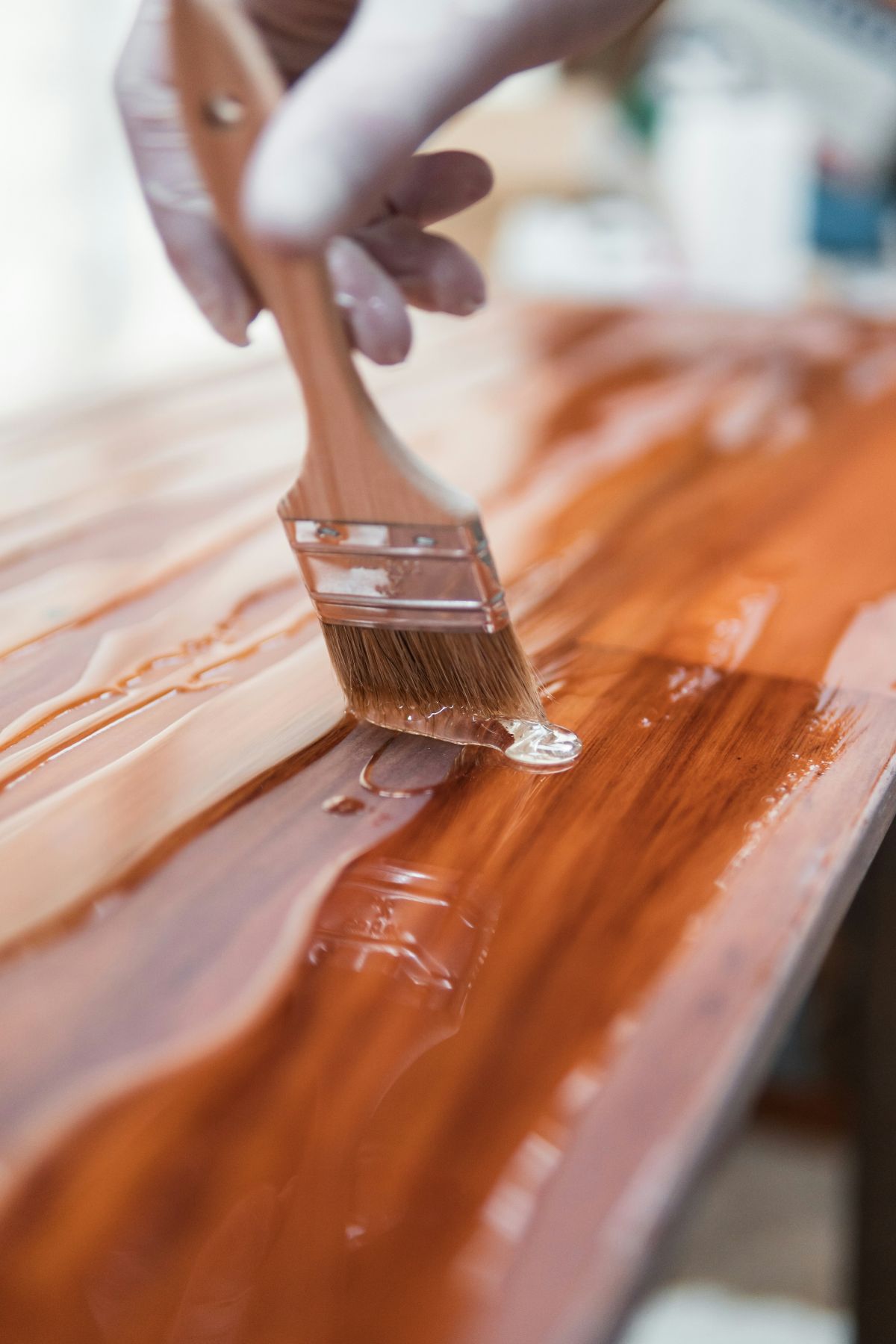
Regular waxing with high-quality wood polish can help maintain the luster and protect the wood. Follow the manufacturer's instructions and avoid silicone-based polishes, as they can create a wax buildup.
Gentle Cleaning Solutions

When cleaning solid wood furniture, use mild, wood-friendly cleaning solutions and avoid harsh chemicals or abrasive cleaners. Always test new cleaning products in an inconspicuous area first.
Regular Inspection and Maintenance
Periodically inspect your solid wood furniture for any signs of damage, such as scratches, dents, or loose joints. Addressing these issues promptly can prevent further damage and preserve the furniture's beauty.
Caring for solid wood furniture is an art that requires patience, attention to detail, and an understanding of the material. By following these unique and insightful tips, readers can ensure that their cherished pieces of furniture remain in excellent condition for years to come. Proper care and maintenance not only prolong the life of the furniture but also preserve its timeless allure. With dedication and the right approach, the beauty of solid wood furniture can be enjoyed for generations.

How to Use a Smart Dishwasher to Bring Convenience to Family Life
Having a smart dishwasher in your home can be a game-changer when it comes to simplifying daily chores and bringing convenience to family.With its advanced features and automation, a smart dishwasher can save time, water, and energy while ensuring sparkling clean dishes. Here are some tips on how to make the most out of a smart dishwasher to benefit your family life:Convenient Scheduling: Many smart dishwashers offer the flexibility to schedule wash cycles according to your family's routine. Take advantage of this feature by setting the dishwasher to run during off-peak hours, such as late at night, to save on energy costs. This way, you can wake up to a load of clean dishes and start your day hassle-free.Connectivity and Control: Some smart dishwashers can be controlled remotely through a mobile app. You can start, pause, or adjust the wash cycle from your smartphone, allowing you to manage your dishwasher even when you're not at home. This feature is especially useful for busy parents who may need to multitask or manage household chores from a distance.Energy Efficiency: Smart dishwashers often come with energy-saving modes and sensors that optimize water and energy usage based on load size and soil levels. By using these features, you can reduce your home's overall energy consumption and save on utility bills, contributing to a more sustainable lifestyle for your family.

Furniture Trends of 2025: Design Meets Intelligence
Furniture is no longer simply an object of functionality or en aesthetics, it has become an intelligent, adaptive, and sustainable extension of our living space. The directions influencing the furniture design of this year indicate a combination of pioneering technology, environmental responsibility, and a continued personalized approach. When self-adjusting ergonomic chairs and modular pieces that change as families do, 2025’s furniture is built to merge with our ever-evolving lifestyles.1.Smart, AI-poweredHere, the most striking change is towards smart, AI-powered furniture. Consider a sofa that changes its firmness to match the shape of your body, or a dining table that is also a wireless charging station and an interactive display. Several companies, including Ikea and Herman Miller, have already released AI-infused pieces that memorize human taste over time, fine-tuning both comfort and energy efficiency. Beds these days have sleep-tracking sensors, ones that regulate temperature and firmness during the night, while desks gently remind users to stand or stretch after too much time seated. The line between furniture and tech is beginning to know no bounds as furniture is not just lived in, but responsive to human life.2.SustainabilitySustainability is still at the heart of design, but in 2025 it extends beyond use of recycled materials. Now, circular design is the norm; brands emphasize furniture that can be broken down for recycling, repair or upcycling. Biodegradable options such as mycelium (mushroom-based foam) and algae-based plastics for example replacing the synthetic and giving the same durability without the guilt of damaging the environment. Even high-end designers are getting on board with “zero-waste” production, in which offcuts find new life as entirely new products. Consumers are more and more attracted to furniture with a clear lifecycle, knowing where the materials came from, how they were made and how they can be responsibly disposed of.3.Modular and MultifunctionalOther trends appeal to urban dwellers and small-space living, such as modular and multifunctional furniture. As the cost of real estate surges, these designs are compact, but flexible. There are guest beds that double as couches, coffee tables that hinge up toward a working height and storage units that mount to the wall and adjust to your needs. Companies such as Resource Furniture and Ori (a robotics and design company) are leading the way in minimizing space while maximizing style. The premise is the simple one on which we all fantasize but seldom deliver, that furniture should be as agile as life at its most inconstant, whether that is while working from home on a whim or hosting a surprise house guest for the night.4.MinimalismThe aesthetic in 2025 runs to warm minimalism and biophilic design. Neutral earthy palettes — think soft terracottas, warm beiges and deep greens — prevail, resulting in tranquil, nature-inspired interiors. Furniture silhouettes are more flowing, with rounded corners and natural textures that play on the idea of comfort and calm. Indoor-outdoor living is also on the rise, and weather-resistant materials are keeping pieces as comfortable on a sunlit patio as in a cozy living room.5.CustomizedThe customized experience up a notch. And the rise of 3D printing and on-demand manufacturing means the customer today can design his or her own furniture, picking everything from a fabric pattern to the style of legs. Brands provide digital configurators that enable people to see their creations in augmented reality before buying. This change not only limits overproduction, but allows each piece to narrate a personal story.We can’t predict the future, but in 2025, furniture will no longer be static — it’s intelligent, and a living part of our daily routine. From AI integration to sustainable innovation to adaptive design, the industry is rewriting the rule book for what it is to furnish a home. The future of furniture isn’t only about filling up space; it’s about improving the way we live, one smart, sustainable and beautifully designed object at a time.

Container Homes: A Modern Housing Revolution
There are smart homes and then there are shipping containers that have been converted into homes, and this installation brings both of these concepts into one sexy green package. But as with any housing option, they present their own host of issues and challenges.Advantages1.Eco-friendlinessThese out-of-the-box abodes use retired shipping containers, sparing the need for conventional building materials such as bricks and wood which would otherwise be used to build homes, and thus having a positive effect on the environment. And because containers are modular, you can create some very fun and space-saving designs, all made to your specifications.2.Cost-effectivenessContainer homes tend to cost you less financially than traditional houses, and that's very much due to the cost of materials. The steel construction of shipping containers is strong and able to hold up to harsh weather and these structures require less maintenance over the years. What’s more, construction is often speedier due to the fact that the basic framework is there already, containers just need modifying and stacking on top of each other.3.Mobility and FlexibilityThese homes will appeal to anyone looking for a minimalist or nomadic lifestyle, but will also be suitable to become remodeled to be portable so the owner can move, but not have to leave their dwelling. This is especially attractive to Digital Nomads, Adventurers, and people needing temporary housing.Things to Consider Before Building a Container Home1.Local Codes and PermitsContainer homes are not code in every place. In some jurisdictions limitations on building or lot size, zoned uses, and changes to structure or insulation are also permitted. Before breaking ground, it’s also important to check with local authorities for any necessary permits.2.Insulation and Temperature RegulationSteel is also a good conductor, so in the summer your containers could easily overheat and in the winter they can feel like freezers. For comfort and energy efficiency, it is crucial that your garage is properly insulated. There are also options to use spray foam, panel insulation, or even eco-friendly materials like sheep’s wool.3.Structural ModificationsIt is necessary to cut the doors and windows when cut into the door and window or more than three products are combined with welding and strengthening to keep the good energy saving effect and the overall firmness of the product. Better not call these professionals. the life of the home may be in danger.4.Space LimitationsNormal freight containers are quite narrow, usually only 8 feet wide. Space can be well-utilized with creative designs, although the compact layout may feel too confining for some accustomed to larger homes. Multi-container setups or vertical scaling can be used to overcome this challenge.5.Rust and CorrosionBecause containers are typically for maritime use, if exposed to moisture for extended periods of time, they can develop rust. Even the latest protective coatings must be applied to ensure protection from deterioration.6.Short Supply of Grade ContainersThere are so many used containers that are not in good conditions. Some may have been exposed to chemicals or excessive use during shipment. Container condition and potential hazardous substances inspection is paramount and should be done prior to acquisition.The FutureAs sustainable living becomes more popular, container homes continue to be popular. Advanced modular design, energy-saving retrofitting, and smart home technology will make prefabs even more attractive. Authorities and urban planners may also mimic container architecture in affordable housing such as solving the world housing shortage.ConclusionContainer homes are a great alternative to traditional living spaces and have provided homes to thousands of people looking to own their own little slice of life. But, they take some careful planning to deal with issues like insulation and structural changes and regulations. Where others find these macabre, the option to live a self-sufficient and off-the-grid mountain dream is worth considering. These homes may become a very viable option for those concerned about the environment, and those who are budget-conscious, as technology and design continue to improve.

How to Maintain a Bike
As a convenient and environmentally friendly means of transport, bicycle is more and more attractive among people.However,it also needs to be properly maintained. This article will detail the steps and precautions on how to maintain your bike.1.Regular cleaningCleanliness is the foundation of bike maintenance. Regular cleanliness curtails dustand dirt from your bike and prevents them from causing damageto your bike. It is recommended to clean the bike at least once a week, especially after riding in rainy days and muddy roads. To clean, first rinse the surface of the bike with water, and then wipe it clean with a clean cloth. Be careful not to use cleaners containing chemicals, so as not to cause corrosion to the bike.2.Check the tire pressureTire pressure is an important factor that affects bicycle running. Low or high air pressure will affect the comfort and safety of riding. Therefore, tire pressure should be checked before each ride. If tire pressure is found to be insufficient, it is necessary to replenish gas in time. At the same time, it is also necessary to regularly check the wear of the tire, if the tire wear is serious, it should be replaced in time.3.Adjust the brakeBrake is an important part to ensure riding safety. Regular check and adjustment of the brakes can ensure the sensitivity and reliability of the brakes. If it is found that the brake is not working or the adjustment is improper, it should be adjusted in time. When adjusting, it is necessary to ensure that the angle of the brake handle and the handlebar is appropriate, and the gap between the brake pad and the brake disc is moderate. At the same time, pay attention to the tightness of the brake line to prevent the brake line from being too tight or too loose.

Does Your Coffee Cup Affect the Taste of Your Coffee
Coffee is a necessity for many people every morning, and for coffee lovers, a good cup of coffee is not only about choosing the right beans and cooking methods, but also about using the right coffee utensils, such as coffee cups.This article will explore the potential impact of coffee cups.First of all, the material of the coffee cup is an important consideration. Common coffee mug materials include ceramic, glass and stainless steel. Ceramic cups are the most common choice because they are able to maintain the temperature of the coffee and do not have a noticeable effect on the taste of the coffee. Ceramic is very helpful for maintaining the heat and stability of the coffee, which allows the coffee to maintain the ideal temperature in the cup, making the taste more comfortable. On the other hand, the glass has good transparency, which allows people to appreciate the color and layering of the coffee. However, the glass is less able to retain heat and the coffee may cool more quickly. Stainless steel cups have excellent thermal insulation properties and can keep the temperature of coffee for a long time, but the material of stainless steel may have a certain impact on the taste of coffee.Secondly, the shape of the coffee cup may also have an effect on the taste of the coffee. The shape of the coffee cup can affect the smell, taste and caffeine content of the coffee. For example, a round cup can help the aroma of coffee concentrate better, making it easier to taste the aroma of coffee. For lighter coffee, such as Americano, you can choose a larger caliber cup to better experience the taste of coffee. In addition, the bottom shape of the cup may also have an impact on the taste of the coffee. A cup with a narrower bottom may make the coffee taste more intense, while a cup with a wider bottom may make the coffee taste more balanced.