


7 Key Nutrients Everyone Needs to Ensure Daily Intake
by Ava WalkerDiscover the seven critical nutrients essential for optimal health, learn practical tips to boost your intake and enhance your well-being, ensuring a vibrant and active life.
In a world where food is abundant, surprisingly, many people still struggle to consume adequate amounts of essential nutrients. According to recent studies, billions of individuals worldwide are deficient in at least seven critical nutrients, which can lead to serious health issues. Understanding these nutrients and how to incorporate them into your diet can significantly enhance your well-being. Here’s a look at these essential nutrients and practical tips for ensuring you get enough of them.

Iron
Iron is crucial for producing hemoglobin, which carries oxygen in the blood. Deficiencies can lead to anemia, fatigue, and weakened immune function.
Sources:
1. Animal Sources: Red meat, poultry, and fish contain heme iron, which is easily absorbed.
2. Plant Sources: Lentils, beans, tofu, spinach, and fortified cereals provide non-heme iron. Pair these with vitamin C-rich foods (like citrus fruits) to enhance absorption.
Vitamin D
Vitamin D is essential for bone health, immune function, and mood regulation. A deficiency can result in weakened bones and increased risk of chronic diseases.
Sources:
1. Sunlight: Spending 10-30 minutes in the sun several times a week can help your body produce enough vitamin D.
2. Dietary Sources: Fatty fish (like salmon and mackerel), fortified dairy products, and egg yolks are excellent sources. If you live in a region with limited sunlight, consider a vitamin D supplement.
Calcium
Calcium is vital for strong bones and teeth, muscle function, and nerve signaling. Insufficient calcium intake can lead to osteoporosis and other health issues.
Sources:
1. Dairy Products: Milk, yogurt, and cheese are rich in calcium.
2. Plant Sources: Leafy greens (such as kale and bok choy), almonds, and fortified plant-based milks are good alternatives for those who are lactose intolerant.
Potassium
Potassium helps regulate fluid balance, muscle contractions, and nerve signals. Low potassium levels can lead to high blood pressure and increased risk of stroke.
Sources:
1. Fruits and Vegetables: Bananas, oranges, potatoes, spinach, and avocados are excellent sources of potassium.
2. Legumes: Beans and lentils also contribute to your potassium intake.
Magnesium
Magnesium is involved in over 300 biochemical reactions in the body, including energy production, protein synthesis, and muscle function. A deficiency can lead to muscle cramps, fatigue, and anxiety.
Sources:
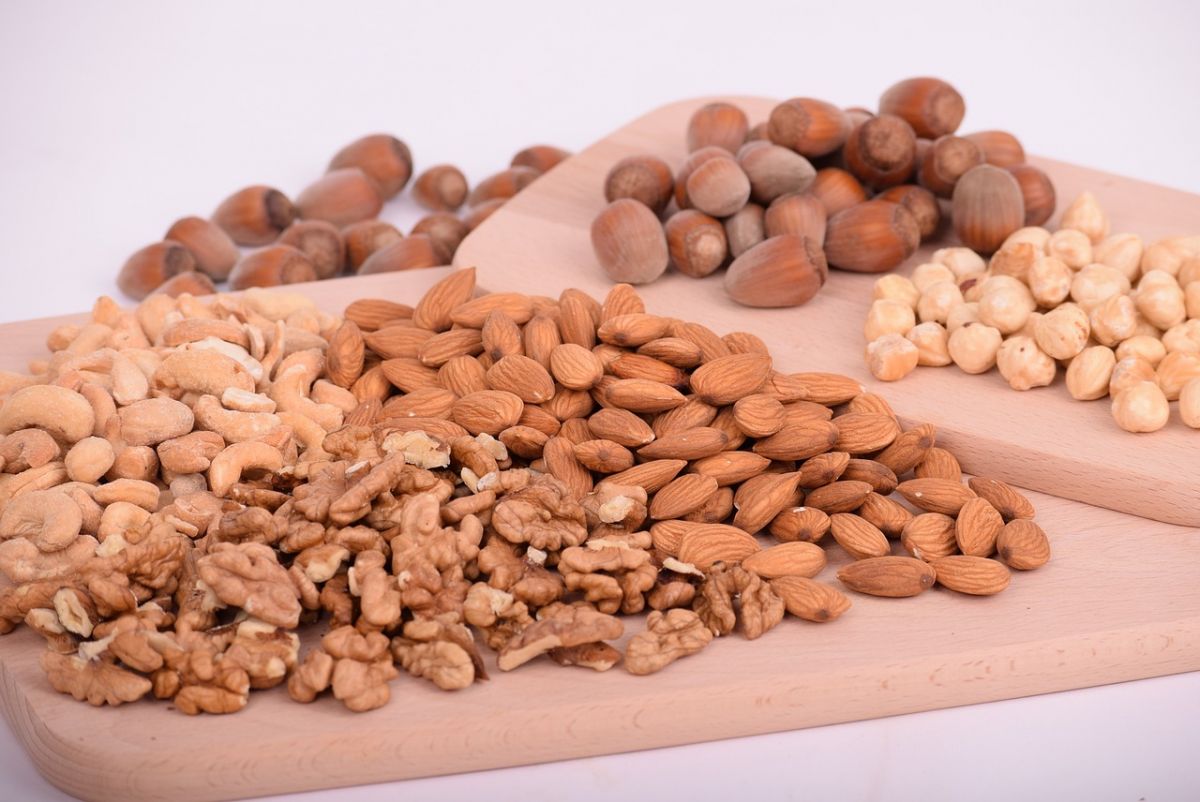
1. Nuts and Seeds: Almonds, cashews, and pumpkin seeds are rich in magnesium.
2. Whole Grains: Brown rice, quinoa, and whole wheat products provide significant amounts of this mineral.
Vitamin B12
Vitamin B12 is crucial for nerve function, red blood cell formation, and DNA synthesis. Deficiency can lead to anemia and neurological issues.

Sources:
1. Animal Sources: Meat, fish, poultry, eggs, and dairy products are primary sources of B12.
2. Fortified Foods: For vegetarians and vegans, fortified cereals and plant-based milks can help meet B12 needs. Supplements are also an option.
Omega-3 Fatty Acids
Omega-3 fatty acids are essential for heart health, brain function, and reducing inflammation. A lack of omega-3s can lead to increased risk of chronic diseases.
Sources:
1. Fatty Fish: Salmon, mackerel, and sardines are rich in omega-3s.
2. Plant Sources: Flaxseeds, chia seeds, and walnuts provide alpha-linolenic acid (ALA), a type of omega-3.
Conclusion
Addressing nutrient deficiencies is crucial for maintaining optimal health. By incorporating a variety of foods rich in these seven essential nutrients, you can significantly improve your overall well-being. Focus on a balanced diet that includes fruits, vegetables, whole grains, lean proteins, and healthy fats. For those with dietary restrictions or specific health concerns, consulting a healthcare provider or registered dietitian can provide personalized guidance. By prioritizing these critical nutrients, you can enhance your health and longevity, ensuring a vibrant, active life for years to come.
ADVERTISEMENT
Hot News
-

Mysterious “Ghost Ships” in the Baltic Sea
Isabella Hall -

7 SUVs That Dominate the Market in 2026
David Clark -

Vegetables and Fruits Reduce Heart Disease Risk
John Scott -

Figure Out Ways to Get Last-Minute Cruise Deals
William Moore -

Decorating the Bathroom: Things to Consider
-

A House in Delhi, Reveals Indian History
Olivia Smith -

Does Your Coffee Cup Affect the Taste of Your Coffee
Richard -

Unlock the Secrets of Tesla Dog Mode: A New Experience for People and Pets
-

Mediterranean Diet Could Safeguard Kids’ Heart Health
Olivia Smith -

Zanzibar: The Scented Paradise Islands of Africa
Emily Brown