


Furniture Trends of 2025: Design Meets Intelligence
by Sophia Miller2025’s interior design is undergoing a quiet yet impactful revolution - furniture now blends intelligence, sustainability, and personalization to adapt to modern lifestyles.
Furniture is no longer simply an object of functionality or en aesthetics, it has become an intelligent, adaptive, and sustainable extension of our living space. The directions influencing the furniture design of this year indicate a combination of pioneering technology, environmental responsibility, and a continued personalized approach. When self-adjusting ergonomic chairs and modular pieces that change as families do, 2025’s furniture is built to merge with our ever-evolving lifestyles.
1.Smart, AI-powered
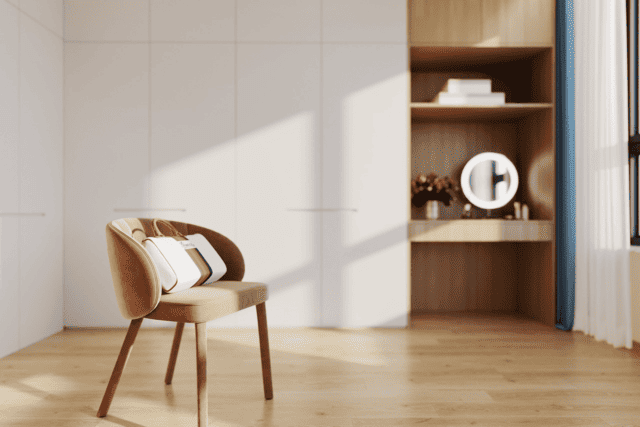
Here, the most striking change is towards smart, AI-powered furniture. Consider a sofa that changes its firmness to match the shape of your body, or a dining table that is also a wireless charging station and an interactive display. Several companies, including Ikea and Herman Miller, have already released AI-infused pieces that memorize human taste over time, fine-tuning both comfort and energy efficiency. Beds these days have sleep-tracking sensors, ones that regulate temperature and firmness during the night, while desks gently remind users to stand or stretch after too much time seated. The line between furniture and tech is beginning to know no bounds as furniture is not just lived in, but responsive to human life.
2.Sustainability
Sustainability is still at the heart of design, but in 2025 it extends beyond use of recycled materials. Now, circular design is the norm; brands emphasize furniture that can be broken down for recycling, repair or upcycling. Biodegradable options such as mycelium (mushroom-based foam) and algae-based plastics for example replacing the synthetic and giving the same durability without the guilt of damaging the environment. Even high-end designers are getting on board with “zero-waste” production, in which offcuts find new life as entirely new products. Consumers are more and more attracted to furniture with a clear lifecycle, knowing where the materials came from, how they were made and how they can be responsibly disposed of.
3.Modular and Multifunctional
Other trends appeal to urban dwellers and small-space living, such as modular and multifunctional furniture. As the cost of real estate surges, these designs are compact, but flexible. There are guest beds that double as couches, coffee tables that hinge up toward a working height and storage units that mount to the wall and adjust to your needs. Companies such as Resource Furniture and Ori (a robotics and design company) are leading the way in minimizing space while maximizing style. The premise is the simple one on which we all fantasize but seldom deliver, that furniture should be as agile as life at its most inconstant, whether that is while working from home on a whim or hosting a surprise house guest for the night.
4.Minimalism
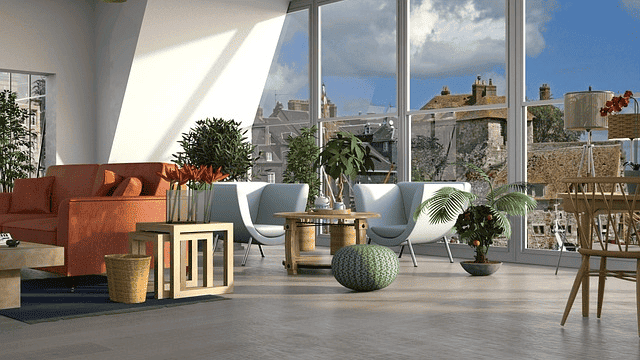
The aesthetic in 2025 runs to warm minimalism and biophilic design. Neutral earthy palettes — think soft terracottas, warm beiges and deep greens — prevail, resulting in tranquil, nature-inspired interiors. Furniture silhouettes are more flowing, with rounded corners and natural textures that play on the idea of comfort and calm. Indoor-outdoor living is also on the rise, and weather-resistant materials are keeping pieces as comfortable on a sunlit patio as in a cozy living room.
5.Customized
The customized experience up a notch. And the rise of 3D printing and on-demand manufacturing means the customer today can design his or her own furniture, picking everything from a fabric pattern to the style of legs. Brands provide digital configurators that enable people to see their creations in augmented reality before buying. This change not only limits overproduction, but allows each piece to narrate a personal story.
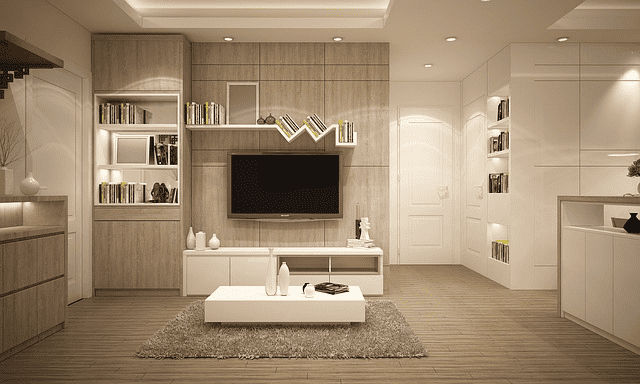
We can’t predict the future, but in 2025, furniture will no longer be static — it’s intelligent, and a living part of our daily routine. From AI integration to sustainable innovation to adaptive design, the industry is rewriting the rule book for what it is to furnish a home. The future of furniture isn’t only about filling up space; it’s about improving the way we live, one smart, sustainable and beautifully designed object at a time.
ADVERTISEMENT
Hot News
-

Best SUVs Under $30,000: Top Picks for 2025
William Moore -

5 of the Most Long-lasting Latex Paint Colors
Terry -

Ho Chi Minh City: Fun of Motorcycles
William Moore -

Evening Exercise Breaks Unlock Restful Sleep
John Scott -

Tokyo Lion Cafe: Away From Hustle and Bustle
Olivia Smith -

Find Your Freedom in These European Islands
Isabella Hall -

What Should You Do for Your Car in Winter
John -

An Overall Summary of Machine Learning's Roles
Isabella Hall -

Wedding Entertainment Hire FAQs
Isabella Hall -

Top 10 SUVs as Affordable and Practical Choices in 2025
Emily Brown