


How to Skillfully Use Textile Wall Hangings to Elevate Home Design?
Textile wall hangings have long been prized for their ability to infuse spaces with warmth, texture, and character.
In modern home decor, these versatile pieces have found new ways to shine, adding a unique touch to various areas within the home. In this article, we will delve into the intricate details of how textile wall hangings can be creatively used to enhance different spaces in home design.
Living Room:
In the living room, a large, intricately woven textile wall hanging can serve as a captivating focal point, drawing the eye and adding depth to the space. Whether it's a handcrafted tapestry with a nature-inspired motif or a bohemian macramé wall art, the tactile and visual appeal of the piece can set the tone for the entire room. Additionally, smaller textile wall hangings can be layered with other forms of art to create a dynamic, multi-dimensional gallery wall.
Bedroom:
In the bedroom, a textile wall hanging can introduce a sense of serenity and style. A carefully chosen piece suspended above the bed can create a cozy, cocoon-like atmosphere, offering an alternative to a traditional headboard. Alternatively, a collection of smaller fabric wall hangings can be arranged in a cluster to inject a touch of color and personality into the room.

Dining Area:
When used in the dining area, a textile wall hanging can contribute to a warm and inviting ambiance. A hand-dyed fabric wall hanging or a woven tapestry can add an artisanal touch to the space, complementing the dining table and chairs. It can also serve as a unique conversation starter, offering a glimpse into the homeowner's individual style.
Home Office:
In a home office or workspace, a textile wall hanging can serve as a source of inspiration and creativity. Whether it features motivational quotes, intricate patterns, or calming colors, the piece can help create a harmonious and stimulating environment. Additionally, the texture and visual interest of the wall hanging can provide a welcome break from the rigidity of a traditional office setting.

Entryway:
A textile wall hanging in the entryway can make a bold and inviting statement, setting the tone for the rest of the home. Whether it's a woven wall hanging, a fabric tapestry, or a macramé creation, it can add a touch of artistry and warmth, turning a functional space into a welcoming and visually captivating area.
Textile wall hangings possess an unparalleled ability to inject personality and charm into home decor. Their versatility allows them to be incorporated into various spaces, from the living room to the bedroom, dining area, home office, and entryway. With their intricate details, vibrant colors, and rich textures, these pieces contribute to a layered and visually captivating home environment, showcasing the homeowner's individuality and artistic sensibility.
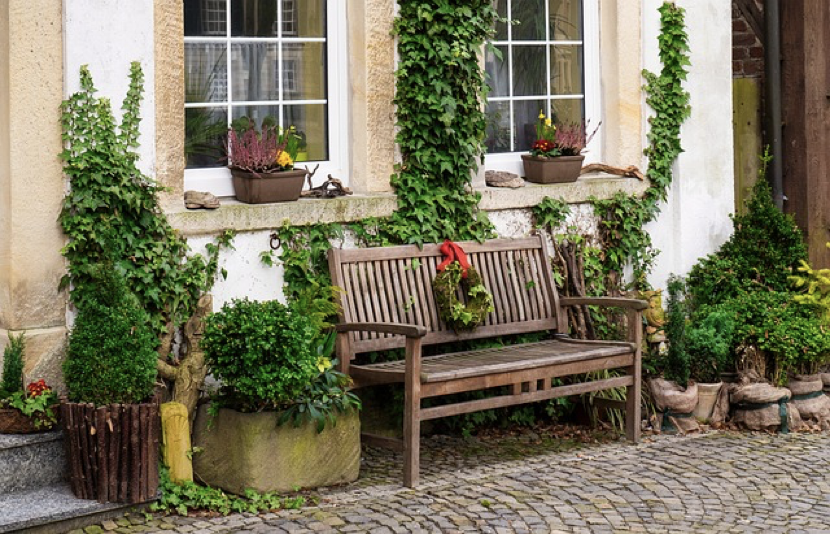
How to Design a Warm and Inviting Modern Garden
To design a modern garden with a warm and inviting atmosphere, you need to focus on the combination of beauty, utilities, and feelings. Give solace from your daily life in a well-designed garden. So, below I talk you through five major points to help you forge a modern garden you want to spend time in.1.Incorporate Natural Materials and TexturesUse natural materials such as wood, stone, and rattan to create a warm environment. The use of wood, terrazzo or concrete for examples brings texture and a sense of organic warmth to the space. “(Wooden decking or stone pathways would help ground the design, whereas rattan furniture or woven planters would infuse softness and charm.) Balance a modern minimalistic look with the coziness of natural tones by pairing these materials with plants and greenery rich in colors. If you want a rustic vibe that feels sustainable and welcoming, consider using reclaimed wood for benches or tables. Features such as a small rock garden or a pebble mosaic of one kind or another, for example, will not only provide texture and diversity of shapes but also provide a stratum that may encourage touching and interaction.2.Concentrate on Cozy Seating AreasA warm garden is a place that encourages people to sit, to relax and to linger. Incorporate lounging areas with soft cushions, weatherproof fabrics, and handpicked ergonomic furniture; Think about creating different zones, for example a cozy bench under a tree, a dining area for al fresco meals or a lounge area with a fire pit. Throws or outdoor rugs can add an extra layer of comfort and help make the garden feel like an extension of your home. Design with a curved seating orientation ideal for small gatherings. Furnishing with hammocks or swing chairs can bring an element of playfulness and relaxation as well.3.Incorporate Soft LightingMany ordinary lights can make a garden more attractive, including ambient lights like lanterns, string lights, or even lamps. As the sun goes down, use soft warm light for a welcoming atmosphere. String lights, lanterns and the new solar-powered path lights can create a magical glow. To add depth and interest, subtly spotlight elements of your space, such as trees, water features of sculptures. A beautifully illuminated garden can feel inviting but also safe. Try LED candles or fairy lights in glass jars for something quirky. For added drama, set up uplighting to illuminate the architectural shapes of plants or trees.4.Include Personal Touches and Sensory DetailsA warm garden should be your personality and stir the senses. Incorporate things like wind chimes, aromatic flowers, or even a wee water feature for a therapeutic auditory and olfactory experience. Personal touches like handmade pottery, family heirlooms or a collection of potted plants can give the space a distinctive feel. These details spark feelings and memories, turning the garden into a space of belonging and happiness. Use herbs that release perfume when brushed against, such as lavender, rosemary and mint. In the same way, including a bird feeder or birdbath is another way to not only attract wildlife, but to add more life and movement to the garden.5.Year-around DesignAnd for your garden to feel warm and welcoming all year long, plan for seasonal interest. Select a combination of evergreen plants, flowering shrubs and seasonal blooms to ensure that color and life can be had all year round. Add features such as a pergola or awning to block the sun during summer and a fire pit or heated-seating for cooler seasons. Watching the seasons change brings a sense of comfort and joy, and by designing a garden to work all year round, you have a garden that brings delight and happiness to your life, all year round. Plant deciduous trees or shrubs with vibrant autumn coloration like maple or dogwood for warmth on those crisp fall days.Overall, these spaces will both differ, but if and when we can return to large gatherings on the other side of this, hot meals will be served here and fellowships welcomed, what really is needed, in peace. Modern garden constructed from that foundation becomes much more than outside space, it becomes an enjoyable piece of your home and life.

Winter Car Care: Essential Maintenance Tips for Keeping Your Vehicle Safe and Reliable
Winter is a challenging time for both drivers and their vehicles.Cold weather, road salt, and ice can take a toll on your car if it's not properly maintained. As such, it's crucial to take extra care of your vehicle during the winter months to ensure its safety and performance. Here are some essential tips for maintaining your car during the winter:Check the battery: Cold temperatures can reduce your battery's power, so it's essential to have it tested to ensure it's in good condition. If your battery is more than three years old, it's a good idea to consider replacing it to prevent unexpected breakdowns.Inspect the tires: Proper tire maintenance is crucial for safe winter driving. Check the tire pressure regularly, as cold temperatures can cause it to decrease. Also, ensure that your tires have enough tread depth to provide sufficient traction on snowy and icy roads. Consider switching to winter tires for improved grip and handling in cold conditions.Change the oil: Cold weather can cause your engine oil to thicken, making it more difficult for the engine to start. Consider switching to a winter-grade oil that flows more easily at low temperatures. It's also essential to stick to the manufacturer's recommended oil change intervals to keep your engine running smoothly.Test the lights: Days are shorter in the winter, so it's critical to make sure all your vehicle's lights are working correctly. This includes headlights, taillights, turn signals, and brake lights. Proper lighting not only helps you see better in low-light conditions but also makes your vehicle more visible to other drivers.

Filtered Coffee: A Brew for a Longer Life
Coffee is a drink that is loved by people all over the world, and has been the principal food in many countries for centuries. The strong flavor and the function of pick-you-up make it the first product touched by millions of people in the morning all around the world. However, not all coffee are the same, a recent study finds that filter coffee might be healthier and more helpful for us, even in expanding your life span.The Chemistry of CoffeeCoffee is filled with complex chemical compound, including caffeine, antioxidant and all kinds of acids. The way you make them can have distinctive influence on the density of these chemicals. Filtered coffee needs to make hot water go through the grid coffee beans, catch liquid and make coffee grounds stay in the meantime. Compared to other methods like espresso or French-pressed coffee, this process may lead to the relatively low level of some certain chemical compounds.The Compounds in Filtered Coffee Are HealthierOne of the most distinctive differences of filtered coffee is the diterpene content is low, especially coffee alcohol and coffee bean alcohol. These compounds are high in unfiltered coffee, such as French pressed coffee. According to the study, coffee alcohol and coffee bean alcohol will escalate the cholesterol level of LDL, which is likely to cause heart disease. By filtering these compounds, filtered coffee become the optimal choice for those who pay attention to heart health.Antioxidants and Disease PreventionFiltered coffee is also rich in antioxidants which is a compound that protects cells from being hurt by radicals. The radicals are unstable molecules and can causes chronic diseases such as oxidative stress, cancer and diabetes. The antioxidants in coffee, including prochlorogenic acid and polyphenols can help neutralize free radicals, thus reduces the risk of this disease.Caffeine and the Cognitive BenefitsThere is no need to introduce more about the caffeine, a most famous ingredients in coffee, is a kind of central nervous system stimulant and can enhance alertness and cognitive function. Moderately taking caffeine has positive relations with memory improvement, nimble reaction and problem-solving skills enhancement. Although every coffee contains caffeine, the difference of filtered coffee is that it can control the volume you take, thereby, you can easily make the coffe you like with suitable density.Relations with LongevityA number of studies have shown that coffee do have some relations with longevity. Drinking moderate coffee can reduce the rate of die of all kinds of diseases, including heart disease, nervous system disease and suicide. Although it needs more studies to confirm this relation, these findings are still inspirational for those who like drinking a cup of coffee everyday.

Impact of Snow Shortage on Gulmarg's Ski Resort Village
Bounded by the scenic vistas of the Himalayan Ranges, Gulmarg in Kashmir is a name that instantly brings to mind images of beautiful landscaped gardens and imposing snow-clad mountains. But what has been almost unfathomable in recent years is that the popular ski village, at 2,600 meters, one of the highest cities and the scene for many a slalom World Cup -— started running out of snow. Imported as a tourist who has seen Gulmarg at both its picture-perfect and struggling, I cannot escape to write about the varied consequences of this snow shortage on the village and people there.Situation in Gulmarg’s Ski Resort VillageWhen we reached Gulmarg, the first thing I realized was that everyone around me had been let down. Instead of the gleaming white canvases that drew skiers and boarders from across this country, parts appeared painted in brown earth under thin layers of manmade snow. There was talk everywhere, among locals and travelers alike of the matter; a tale being spun out across every conversation.One of the more immediate consequences was how quickly tourists stopped coming. The allure of newly opened, snowy slopes lures many visitors and that is a big portion missing without skiing. As a result, potential travelers were left let down and decided to head elsewhere on vacation in search of that perfect snowy ski slope. The place felt less like the busy winter village it is supposed to be with fewer skiers in lodges, restaurants and shops reporting a decline in sales.Impacts on BusinessThis decrease would fall particularly hard on local businesses which are most dependent for their livelihoods from the winter tourist season. Hotels and resorts were left with stagnant rooms that usually are full to capacity in peak winter months. With a slack in footfall, restaurant owners who churn out traditional Kashmiri food for tourists were negatively impacted. Its economic ripple effect was stark, affecting everyone from ski rental shops to souvenir stands. Hundreds of small businesses, fighting to stay alive, had no choice but to lay off employees or reduce services-adding more economic woes for the community.More ImpactsAnd not to be ruled out is the psychological trauma among villagers, Skiing has been Gulmarg's hallmark for generations. The lack of snow has not only put their livelihoods at risk, but it has also taken away a sense of pride and continues to pull them apart. The elders described a feeling of nostalgia and mourning as they remembered skiing the slopes in their youth. Fewer chances arose for younger generations, looking to follow in their footsteps as ski instructors or tour guides when the industry was shrinking.A crisis that has seen a remarkable response in terms of local administration and community adapting to find an answer. They have tried to step up snow making and cover the hills with man-made white stuff it has forged from machines instead of God. This comes at a considerable financial and energy cost, but is the only way to keep some kind of skiing season going. On top of that, the village has added to its off-season tourism potential by organizing summer tours including hiking and paragliding along with other cultural visits.ConclusionIn sum, the snow drought has ravaged Gulmarg's ski resort village and hit hard on their economy, culture & eventually the lives of its people. But it has also unleashed a time of reflection and reinvention, propelling fresh ideas for survival and expansion.

Container Homes: A Modern Housing Revolution
There are smart homes and then there are shipping containers that have been converted into homes, and this installation brings both of these concepts into one sexy green package. But as with any housing option, they present their own host of issues and challenges.Advantages1.Eco-friendlinessThese out-of-the-box abodes use retired shipping containers, sparing the need for conventional building materials such as bricks and wood which would otherwise be used to build homes, and thus having a positive effect on the environment. And because containers are modular, you can create some very fun and space-saving designs, all made to your specifications.2.Cost-effectivenessContainer homes tend to cost you less financially than traditional houses, and that's very much due to the cost of materials. The steel construction of shipping containers is strong and able to hold up to harsh weather and these structures require less maintenance over the years. What’s more, construction is often speedier due to the fact that the basic framework is there already, containers just need modifying and stacking on top of each other.3.Mobility and FlexibilityThese homes will appeal to anyone looking for a minimalist or nomadic lifestyle, but will also be suitable to become remodeled to be portable so the owner can move, but not have to leave their dwelling. This is especially attractive to Digital Nomads, Adventurers, and people needing temporary housing.Things to Consider Before Building a Container Home1.Local Codes and PermitsContainer homes are not code in every place. In some jurisdictions limitations on building or lot size, zoned uses, and changes to structure or insulation are also permitted. Before breaking ground, it’s also important to check with local authorities for any necessary permits.2.Insulation and Temperature RegulationSteel is also a good conductor, so in the summer your containers could easily overheat and in the winter they can feel like freezers. For comfort and energy efficiency, it is crucial that your garage is properly insulated. There are also options to use spray foam, panel insulation, or even eco-friendly materials like sheep’s wool.3.Structural ModificationsIt is necessary to cut the doors and windows when cut into the door and window or more than three products are combined with welding and strengthening to keep the good energy saving effect and the overall firmness of the product. Better not call these professionals. the life of the home may be in danger.4.Space LimitationsNormal freight containers are quite narrow, usually only 8 feet wide. Space can be well-utilized with creative designs, although the compact layout may feel too confining for some accustomed to larger homes. Multi-container setups or vertical scaling can be used to overcome this challenge.5.Rust and CorrosionBecause containers are typically for maritime use, if exposed to moisture for extended periods of time, they can develop rust. Even the latest protective coatings must be applied to ensure protection from deterioration.6.Short Supply of Grade ContainersThere are so many used containers that are not in good conditions. Some may have been exposed to chemicals or excessive use during shipment. Container condition and potential hazardous substances inspection is paramount and should be done prior to acquisition.The FutureAs sustainable living becomes more popular, container homes continue to be popular. Advanced modular design, energy-saving retrofitting, and smart home technology will make prefabs even more attractive. Authorities and urban planners may also mimic container architecture in affordable housing such as solving the world housing shortage.ConclusionContainer homes are a great alternative to traditional living spaces and have provided homes to thousands of people looking to own their own little slice of life. But, they take some careful planning to deal with issues like insulation and structural changes and regulations. Where others find these macabre, the option to live a self-sufficient and off-the-grid mountain dream is worth considering. These homes may become a very viable option for those concerned about the environment, and those who are budget-conscious, as technology and design continue to improve.